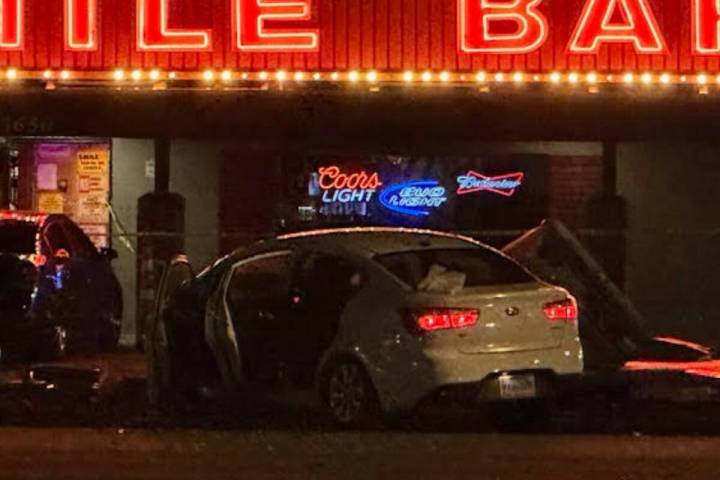
Two pedestrians were killed and at least three were injured when a car crashed into a bus stop in the east valley.




Two pedestrians were killed and at least three were injured when a car crashed into a bus stop in the east valley.
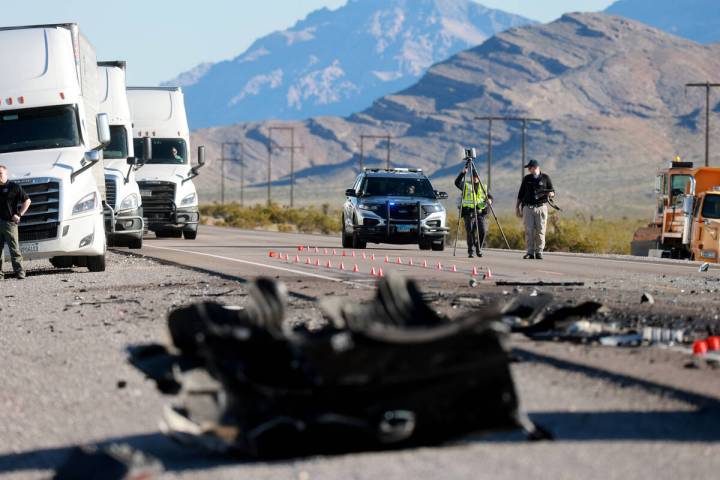
Thirty-two more people have died in crashes on Clark County roadways this year compared with the same time in 2023, Nevada officials announced.
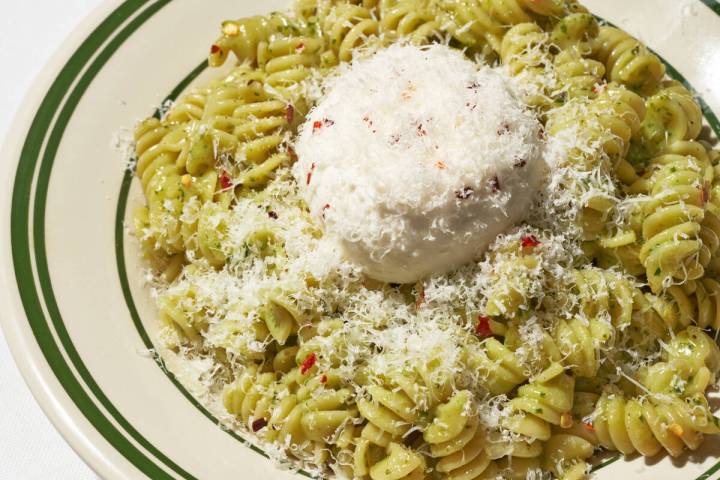
The restaurant, born in New York City, celebrates standards like chicken Parm and spaghetti and meatballs.
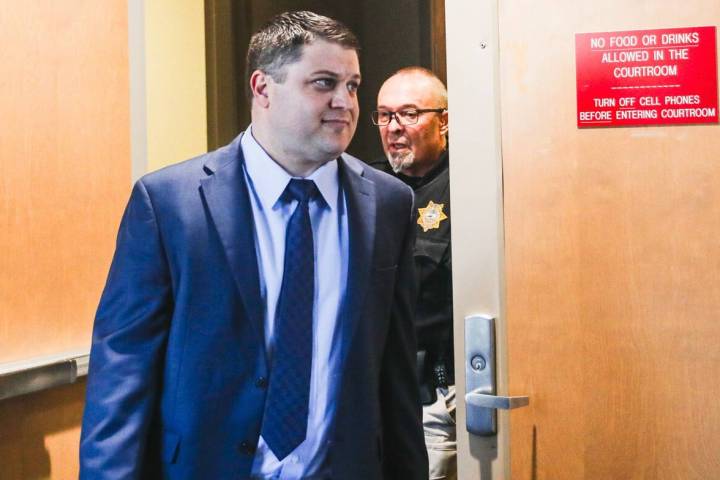
A Family Court judge ordered attorney Dylan Houston to turn in his guns as part of a temporary custody agreement involving the man’s young children.

About 30 robberies/attacks on letter carriers have occurred in the valley over the past three years, a National Letter Carriers Union spokesman said.

A man who told police he had shot at a truck carrying his stolen motorcycle outside his northeast valley apartment is facing a murder charge.

The Golden Knights, as of Wednesday afternoon, could still face three different teams in the first round of the NHL playoffs.

Federal officials recently reported damage to four tubes known as “river outlet works” at Glen Canyon Dam on the Utah-Arizona border.

One casino has been a downtown Las Vegas staple for years. Another is set for a rebranding. Both reported million-dollar jackpots.

Former Aristocrat employees went to work for Light & Wonder and developed games with dragons, and that could be the key to proving the case, experts say.

April 18 is the average date for the Harry Reid International Airport reaching 90 degrees, the National Weather Service said.
Plans include a complete renovation of the casino-resort and further development of 35 unused acres behind it.
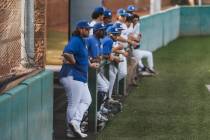
Bishop Gorman’s baseball team played its first game in Las Vegas since coach Chris Sheff was suspended and an investigation into the program began.

Grammy-winning musician Gwen Stefani took the stage to the roar of 400 partiers at Ole Red Las Vegas on the Strip.

Hilton has acquired a controlling interest of the operators of this hotel, but the deal excluded the Vegas location.

Wondering which are the top senior dating sites right now? I’ve got you covered. Read on for my top 10 sites for finding love when you’re over 50.

Grammy-winning musician Gwen Stefani took the stage to the roar of 400 partiers at Ole Red Las Vegas on the Strip.

A suspect in the theft of a Las Vegas Fire Department vehicle was taken into custody following a high-speed chase, officials said.

Final offers are being sought on a $159 million parcel that borders the Formula One Las Vegas pit building.
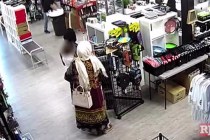
Two people are suspected of stealing more than $4,000 worth of pickleball equipment from a southwest Las Vegas Valley store by hiding paddles in their clothing.