Multiple veteran Las Vegas real estate agents say they are largely on board with the upheaval currently going on in their industry.




Multiple veteran Las Vegas real estate agents say they are largely on board with the upheaval currently going on in their industry.

After just over a year, former Raiders tight end Darren Waller and Aces guard Kelsey Plum have called it quits on their marriage.
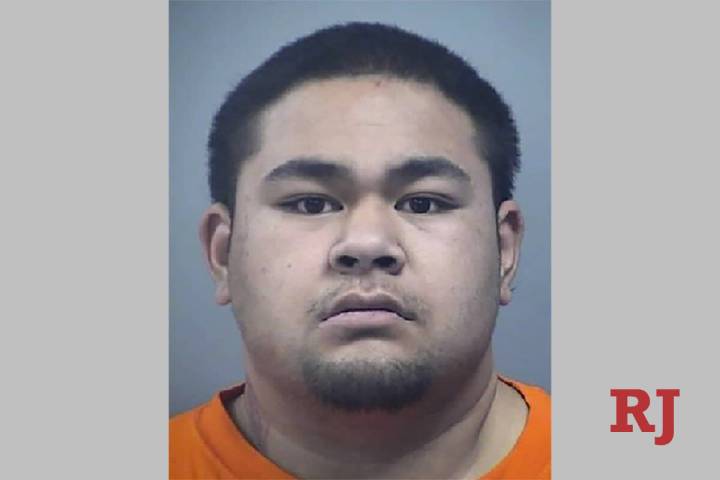
Leo’oolo Tevaseu, 21, was booked into the North Las Vegas Community Correctional Center on one count each of murder and felony child abuse.

A new poll looks at whether voters would support a potential law that made all workplaces in Nevada, including casinos, completely smoke free while indoors. Unions also weigh in.

Former Bishop Gorman wide receiver Rome Odunze could be selected in the first 10 picks of the 2024 NFL draft on Thursday.

The attorney for Duane Davis, a reputed gang member accused of orchestrating the 1996 killing of Tupac Shakur, said his client is not to be believed.

The 100,000-square-foot center, replacing an aging office complex, will include restaurants, culinary kiosks and a covered alfresco dining lounge.
The move by the app follows extensive media coverage and an outcry among Las Vegas Valley restaurant owners.

Las Vegas locals who grew up in the ’90s and 2000s might remember the Lied Discovery Children’s Museum and Las Vegas Library building along Las Vegas Boulevard.

Brightline West and federal, state and local officials broke ground on the long-discussed high-speed rail system linking Las Vegas and Southern California.

The county will spend a little over $2 million to purchase several dozen 2024 Ford Mustang Mach-E SUVs.

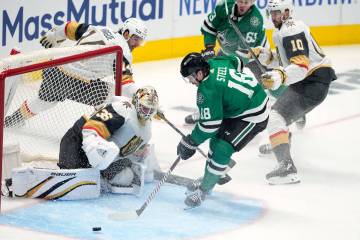
Captain Mark Stone was back in the lineup for the Golden Knights on Monday and scored a power-play goal in a Game 1 win over the Dallas Stars.

David Pecker is the first witness in the former president’s historic hush money trial in Manhattan.

Winds, cooler temps and possibly some rain on Friday is in the Las Vegas forecast for the week, says the National Weather Service.
Eye care is more important than ever in today’s digital world. With most professions requiring much screen time, your eyes get tired quickly. However, you still need to protect your eyes when entering the world. We always think about sun damage to our skin, but UV rays can also cause cataracts and other eye problems. […]






The company said a majority of Culinary Local 226 employees at the Henderson property signed an employee-led petition to decertify the labor union.

A new connection between Laughlin and Bullhead City, Arizona — decades in the making — is nearing completion.

One of the bars lies in a sleek Strip hotel, the other off Strip in a longtime locals favorite.

The Golden Knights scored three first-period goals to defeat the Dallas Stars in Game 1 of their first-round playoff series Monday.