The 100,000-square-foot center, replacing an aging office complex, will include restaurants, culinary kiosks and a covered alfresco dining lounge.




The 100,000-square-foot center, replacing an aging office complex, will include restaurants, culinary kiosks and a covered alfresco dining lounge.
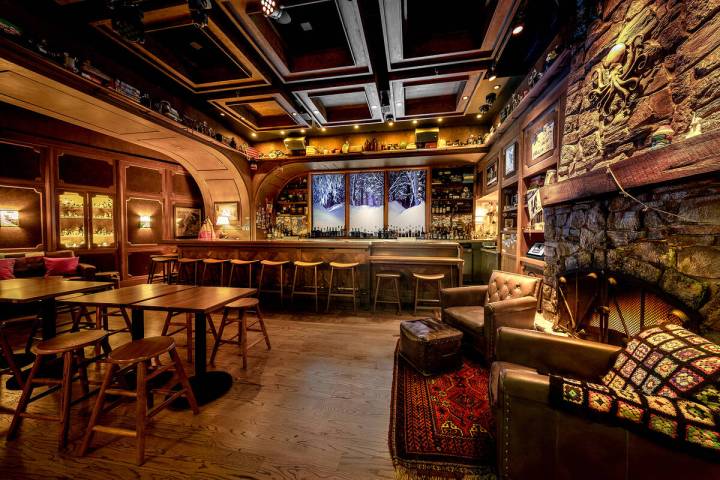
One of the bars lies in a sleek Strip hotel, the other off Strip in a longtime locals favorite.
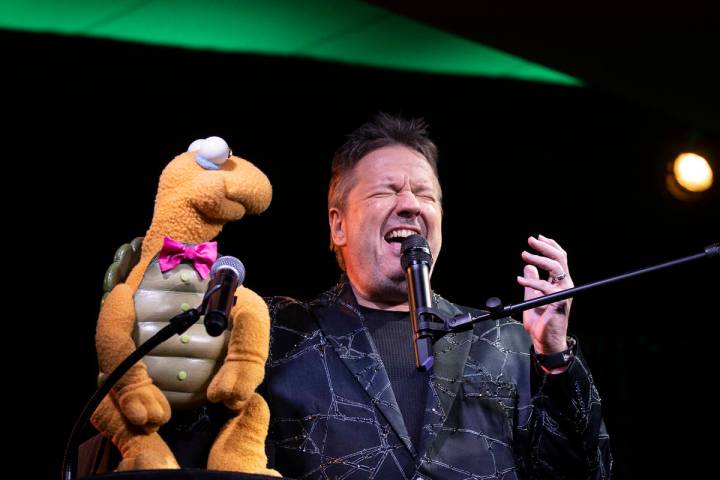
Terry Fator is using new architecture at The Strat Showroom to his advantage. That venue is part of the resort’s $125 million overhaul under owner Golden Gaming.

After just over a year, former Raiders tight end Darren Waller and Aces guard Kelsey Plum have called it quits on their marriage.

The win was one of several recently across the Las Vegas Valley.

The attorney for Duane Davis, a reputed gang member accused of orchestrating the 1996 killing of Tupac Shakur, said his client is not to be believed.
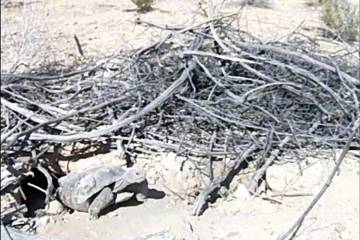
Every year, school children guess when the desert tortoise will emerge from his burrow, marking the beginning of spring.

Company and union officials say the property’s renovation from the Hard Rock Hotel to Virgin Hotels in 2021 has influenced the deal-making.
An executive with more than three decades of experience in Las Vegas, is leaving his position.

Elected officials are concerned about the impact the plan could have on Nevada elections, which rely heavily on mail service.
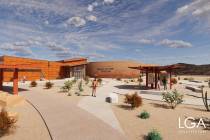
Nevada officials say the new visitor center at Valley of Fire State Park will feature “state of the art” exhibits that explain the park’s cultural and geological history.
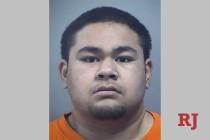
Leo’oolo Tevaseu, 21, was booked into the North Las Vegas Community Correctional Center on one count each of murder and felony child abuse.
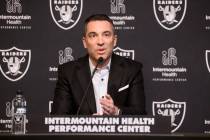
The Raiders made a huge swing to secure their franchise quarterback in the Review-Journal’s final mock draft before the first round begins Thursday.

Multiple veteran Las Vegas real estate agents say they are largely on board with the upheaval currently going on in their industry.

The Raiders and NV Energy joined forces to provide eventgoers at Allegiant Staidum with the ability to charge electric vehicles.

April is World Wish Month! It is a time when the world comes together to make dreams come true for children facing critical illnesses. As long as these brave kids need hope and strength, wish makers like you are essential to their fight. Speaking of wish-making, here’s an exciting opportunity: Walk For Wishes® 2024! Presented […]




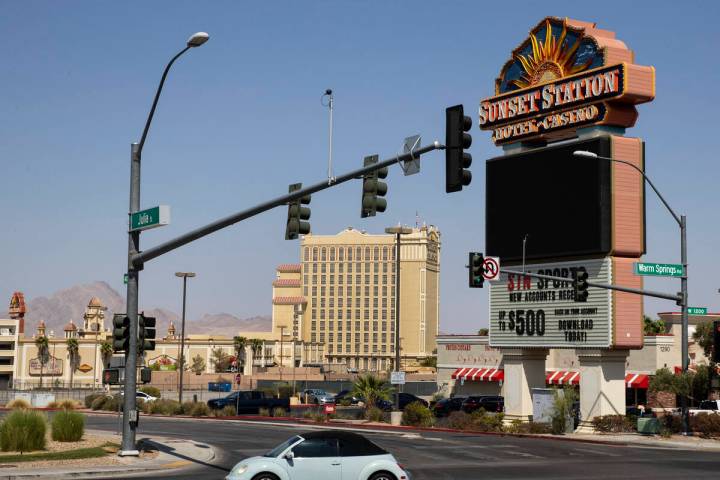
The company said a majority of Culinary Local 226 employees at the Henderson property signed an employee-led petition to decertify the labor union.
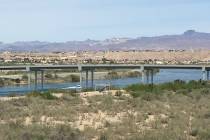
A new connection between Laughlin and Bullhead City, Arizona — decades in the making — is nearing completion.

One of the bars lies in a sleek Strip hotel, the other off Strip in a longtime locals favorite.

The Golden Knights scored three first-period goals to defeat the Dallas Stars in Game 1 of their first-round playoff series Monday.