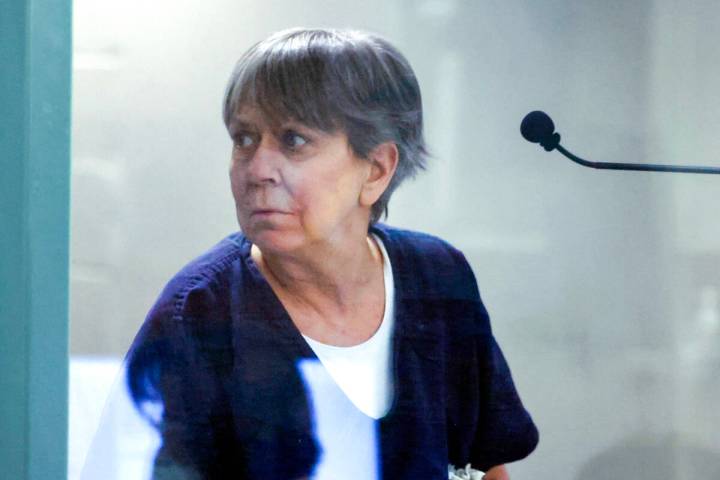
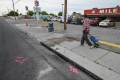
A 64-year-old woman is facing felony counts of DUI and reckless driving after two pedestrians were killed in a bus stop crash in the east Las Vegas Valley.




A 64-year-old woman is facing felony counts of DUI and reckless driving after two pedestrians were killed in a bus stop crash in the east Las Vegas Valley.
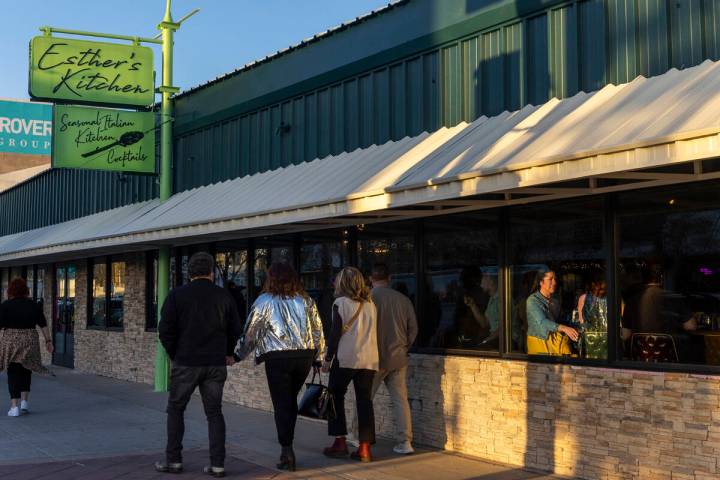
Fake pages on the delivery platforms direct orders to other restaurants. Acclaimed chef James Trees called out one of the pages in an online post.
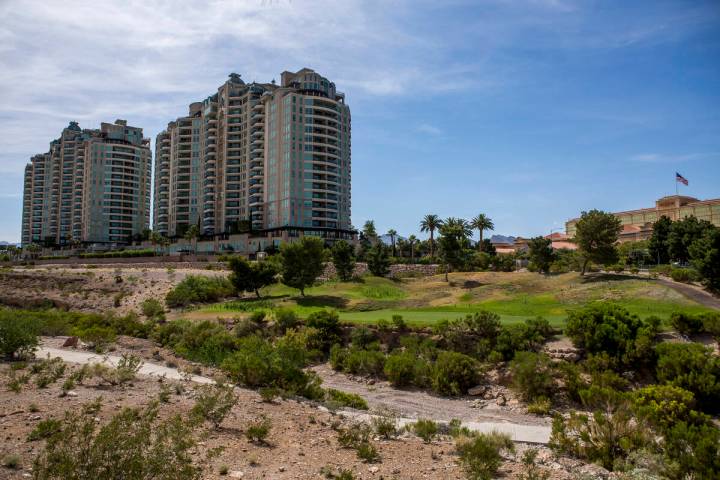
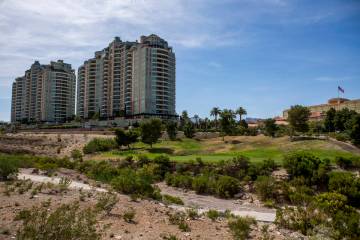
State Supreme Court upholds $48 million judgment against the city of Las Vegas for its actions involving development proposed on the defunct Badlands golf course.
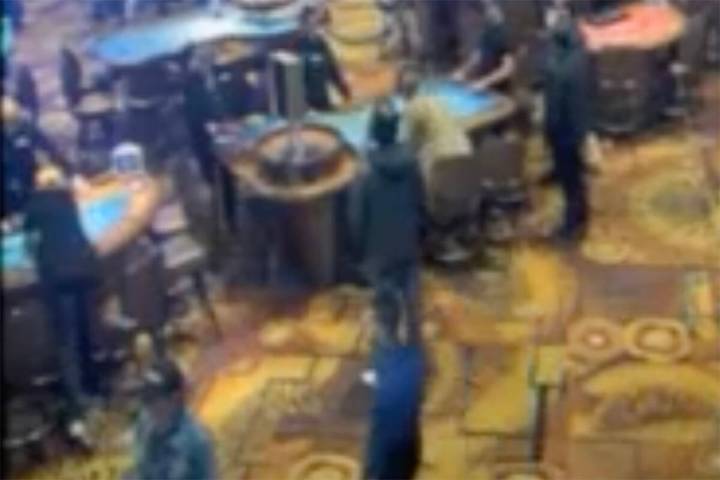
After seeing videos of the felon grabbing casino chips from tables, commissioners voted unanimously to place him on the List of Excluded Persons.
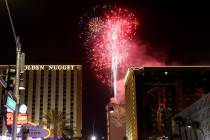
A Las Vegas casino is bringing a Disneyland staple to the skies above downtown. Here’s when it will begin.
Las Vegas Metropolitan Police Department 911 Communications warned Wednesday of an outage affecting 911 and non-emergency calls in a social media post. Officials said they could see the numbers of those who called from cellphones.
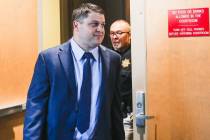
A Family Court judge ordered attorney Dylan Houston to turn in his guns as part of a temporary custody agreement involving the man’s young children.
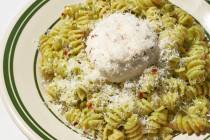
The restaurant, born in New York City, celebrates standards like chicken Parm and spaghetti and meatballs.
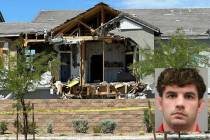
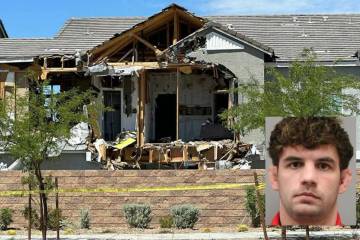
Henderson police said a man found dead after a multiday standoff that included a police shooting had five rifles and was facing kidnapping and other charges.
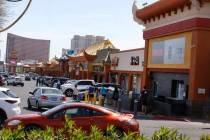
Ahead of plans from Clark County to redevelop the Chinatown area local businesses say traffic and parking should be at the top of the list for issues to be addressed.

The Golden Knights will close the regular season Thursday against the Anaheim Ducks and cement who their first-round playoff opponent will be.
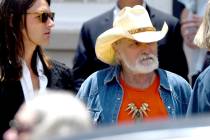
He shared lead guitar duties with Duane Allman in the original Allman Brothers Band to help give the group its distinctive sound and create a new genre — Southern rock.
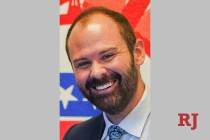
Clark County Republican Party Chairman Jesse Law was arrested on suspicion of domestic battery, but court records show the district attorney’s office has decided not to pursue the case.

One casino has been a downtown Las Vegas staple for years. Another is set for a rebranding. Both reported million-dollar jackpots.





Here’s everything you need to know about the Electric Daisy Carnival and other major music festivals coming to Las Vegas over a six-week span this spring.
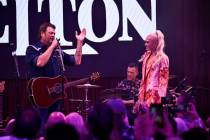
Grammy-winning musician Gwen Stefani took the stage to the roar of 400 partiers at Ole Red Las Vegas on the Strip.

Final offers are being sought on a $159 million parcel that borders the Formula One Las Vegas pit building.
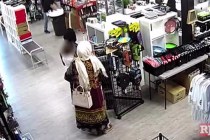
Two people are suspected of stealing more than $4,000 worth of pickleball equipment from a southwest Las Vegas Valley store by hiding paddles in their clothing.