The Golden Knights will make a change on defense for Game 2 of their first-round series against the Dallas Stars thanks to an injury.




The Golden Knights will make a change on defense for Game 2 of their first-round series against the Dallas Stars thanks to an injury.

The Golden Knights and Dallas Stars are creating one of the best rivalries in the Western Conference after meeting in the playoffs for the third time in five years.

Two Henderson parents have been arrested on suspicion on child abuse after police found an 11-year-old inside a large metal enclosure inside a residence.

Tropicana owner Bally’s Corp. filed for a commercial demolition permit this month with Clark County as preparations continue to build a ballpark for the Oakland Athletics.
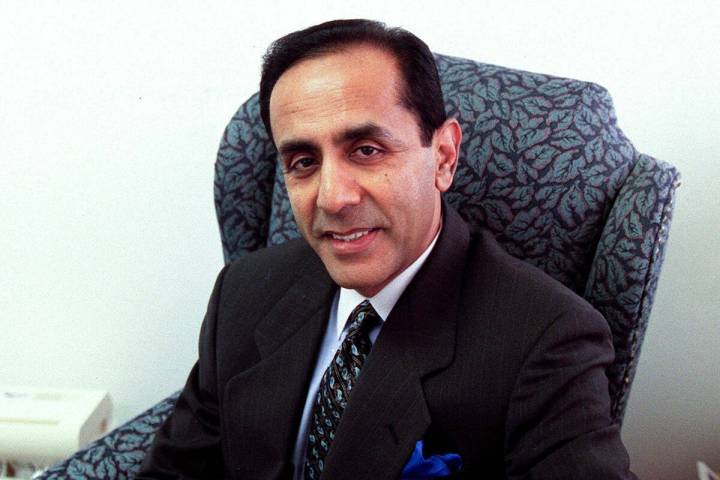
University Medical Center defends the $115,200-a-year contract of an influential doctor, but the public hospital can’t document cases he has reviewed.

Neal Schon of Journey says the Sphere was made for jam bands, but his band would crush it, too.

DeAjai Guaydacan was arrested Tuesday in Spanish Fork, Utah, and booked into the local county jail on suspicion of open murder pending extradition to Las Vegas.

The crane was being used in the $600 million Las Vegas Convention Center renovation project at the facility’s North Hall.

The city’s mobsters roots run deep. Here are a list of mob-connected homes that has sold in recent years, including one formerly owned by Frank “Lefty” Rosenthal.

Elected officials are concerned about the impact the plan could have on Nevada elections, which rely heavily on mail service.

Locals can watch movies every Monday evening starting in May on the Strip hotel’s 65-foot digital marquee.

The Raiders made a huge swing to secure their franchise quarterback in the Review-Journal’s final mock draft before the first round begins Thursday.

An older motel in downtown Las Vegas has sold, and the new owner has big long-term plans for the site.

An executive with more than three decades of experience in Las Vegas is leaving his position once a successor is found.

The closing of “Love,” enforced by construction as Mirage turns into Hard Rock Las Vegas, has initiated rumors “Ka” will be the next Cirque production to shut down.
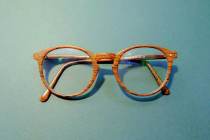
Eye care is more important than ever in today’s digital world. With most professions requiring much screen time, your eyes get tired quickly. However, you still need to protect your eyes when entering the world. We always think about sun damage to our skin, but UV rays can also cause cataracts and other eye problems. […]

After just over a year, former Raiders tight end Darren Waller and Aces guard Kelsey Plum have called it quits on their marriage.

The 100,000-square-foot center, replacing an aging office complex, will include restaurants, culinary kiosks and a covered alfresco dining lounge.

Terry Fator is using new architecture at The Strat Showroom to his advantage. That venue is part of the resort’s $125 million overhaul under owner Golden Gaming.

A motorcyclist was killed after a crash with a pickup truck in North Las Vegas.