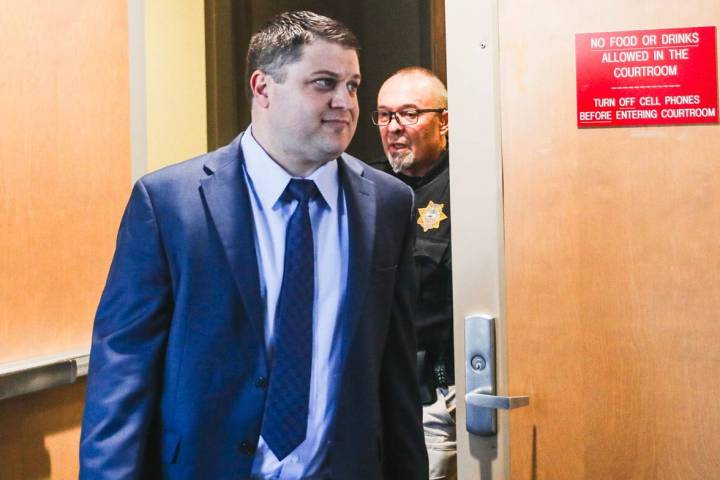
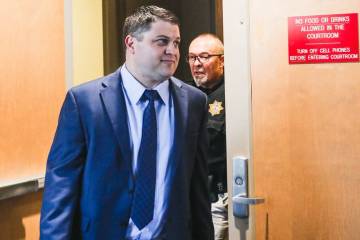
A judge unsealed hundreds of documents and an assemblage of videos from a contentious custody battle linked to a shooting that left three dead.




A judge unsealed hundreds of documents and an assemblage of videos from a contentious custody battle linked to a shooting that left three dead.
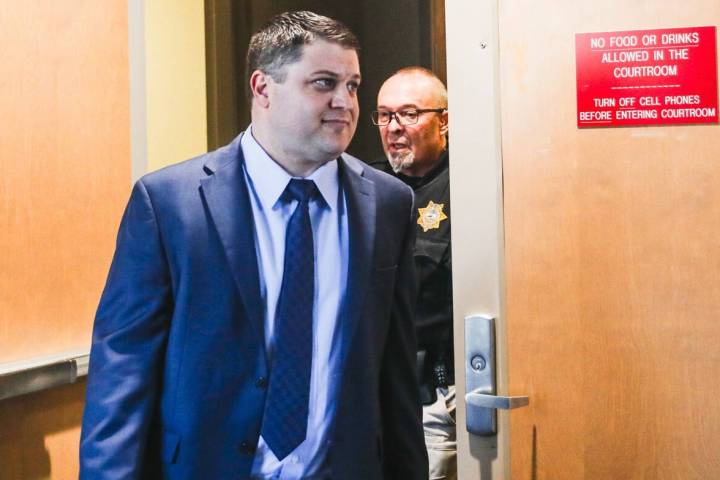
Katherine Houston wrote a concerned letter to her son Dylan around the time of his divorce from Ashley Prince, records show.
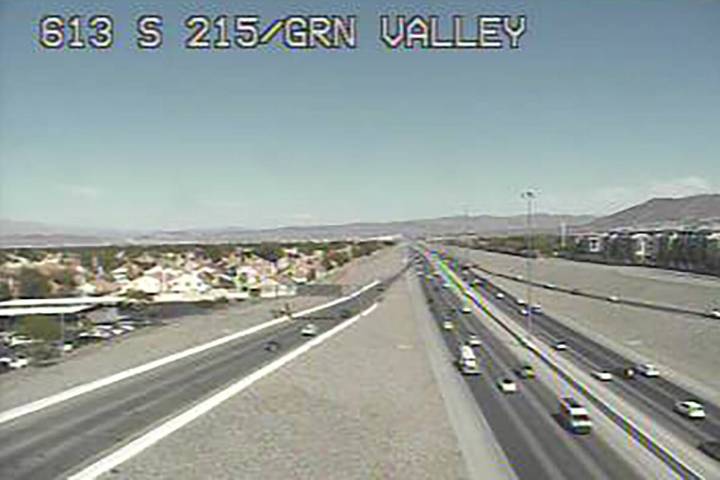
In a six-hour period, a joint law enforcement effort caught 77 red light runners at Green Valley Parkway and the 215 Beltway.
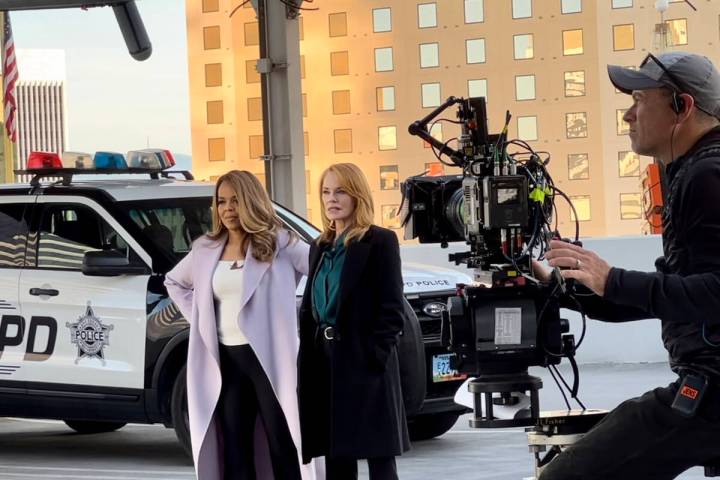
The reboot of the series that put Las Vegas on the television map won’t live to see a Season 4.
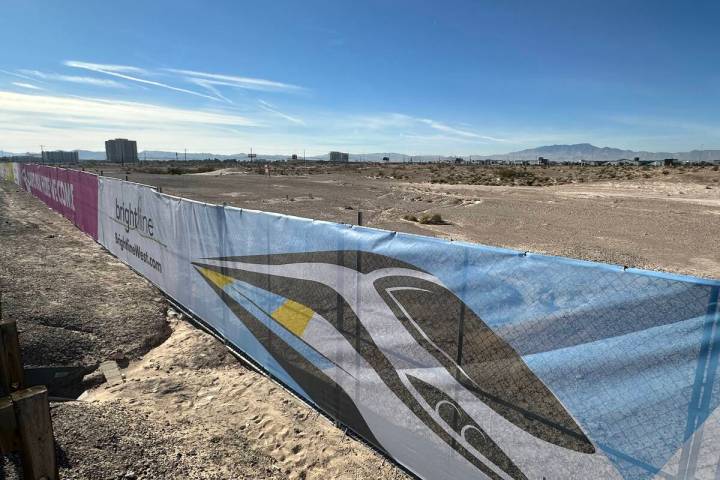
Transportation Secretary Pete Buttigieg is expected to attend the ceremony for the Las Vegas-to-Southern California high-speed train system.

The North Las Vegas grocery distribution center, which isn’t fully open yet, is holding another hiring event.
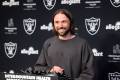
An image of Raiders quarterback Gardner Minshew wearing a sweatshirt making light of his past rivalry with new teammate Maxx Crosby was not authentic, a source close to the team said.

When Lisa Rasmussen pulled into the parking lot of Prince Law Group, she knew the deposition would be intense. She had no idea it would turn deadly.

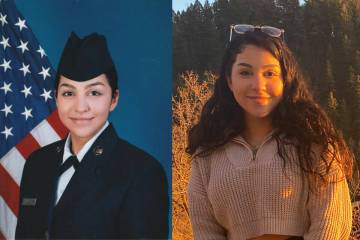
Natalie Villegas, who served in the U.S. Air Force at Creech Air Force Base, was killed by a suspected impaired driver on Saturday. Her father hopes to honor her life and find justice.
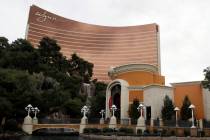
The Las Vegas hotel-casino confirmed the exec will leave the company for a new position.

The balmy ease of the French Riviera inspires this French-Mediterranean spot.

The Oakland Athletics filed a motion to intervene in a teachers union-backed lawsuit aimed at halting the team’s public stadium financing.
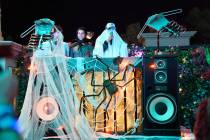
Ross Mollison was dressed as a ghost while praising the humans at the Strip juggernaut “Absinthe” 13th anniversary party on April 10.

Raiders fans continue to have quarterbacks on their minds with the NFL draft less than a week away. But it’s not just Jayden Daniels they are asking about.
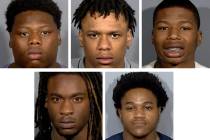
Five people have been arrested in connection with a double homicide committed nearly two years ago.

The on-demand beauty service that’s gained a cult following from NYC to LA has recently expanded into Las Vegas. From socialites, celebs and gala-goers to high-profile execs and busy moms, Glamsquad is the go-to beauty service for moments big and small. Glamsquad’s team of talented and trusted beauty professionals come to you anytime, anywhere. That […]




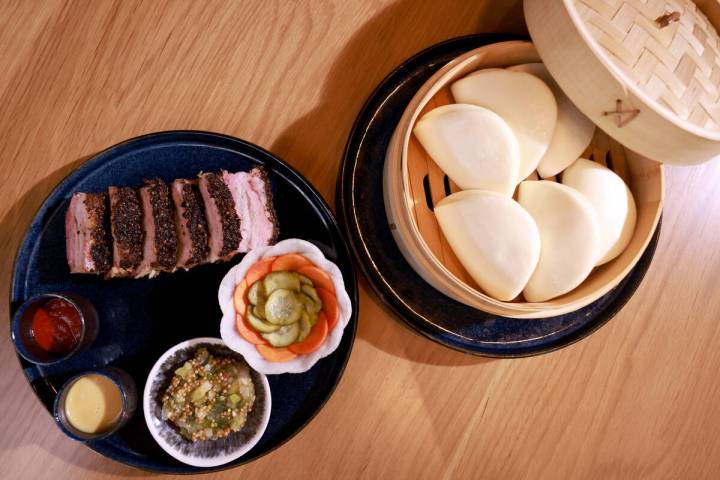
The Asian-inflected wood-fire barbecue restaurant on the Las Vegas Strip has siblings in Manhattan, Miami and Mexico City.

The Golden Knights lost to the Anaheim Ducks in the regular-season finale Thursday at T-Mobile Arena and fell to the second wild-card berth in the Western Conference.
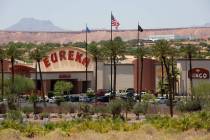
Plans include a complete renovation of the casino-resort and further development of 35 unused acres behind it.

Former NFL star Tom Brady, a minority owner of the Las Vegas Aces, wrote the entry in Time magazine explaining A’ja Wilson’s inclusion on the most influential list.