‘Nobody wants to pay more’: Nevada Board of Regents punts on proposed tuition, fee hikes
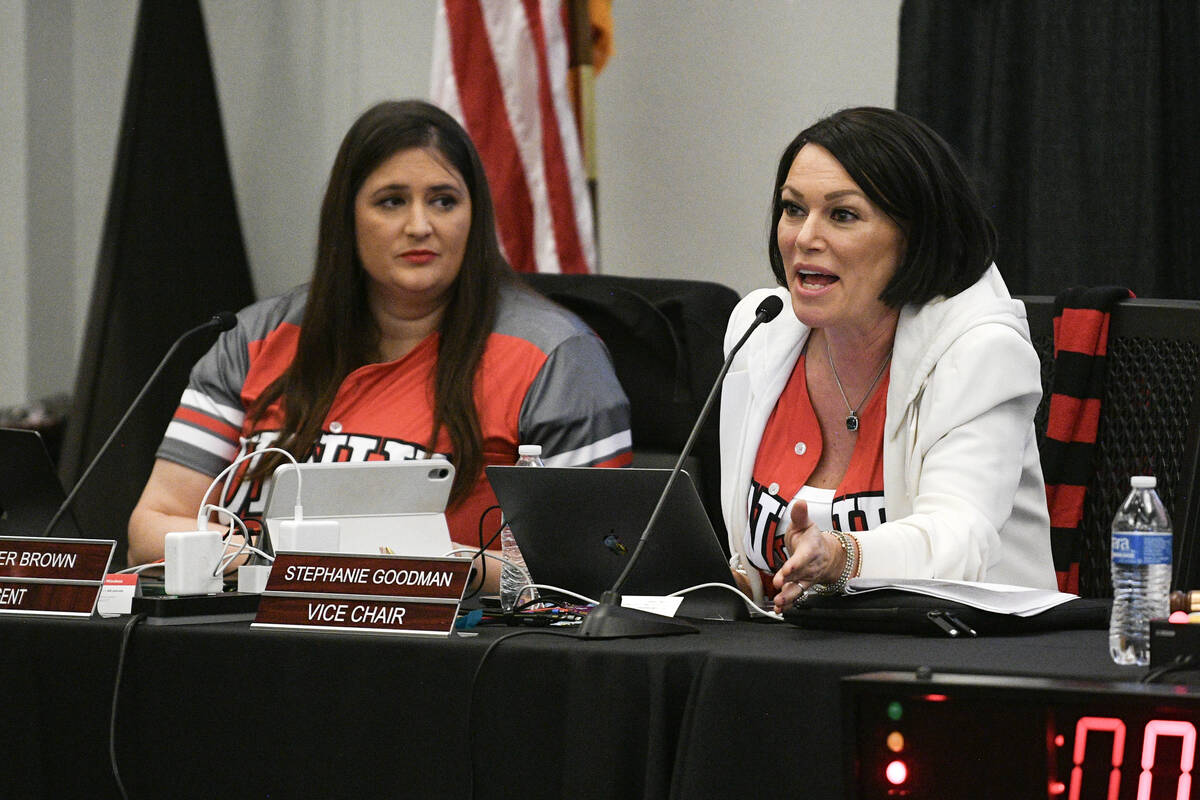
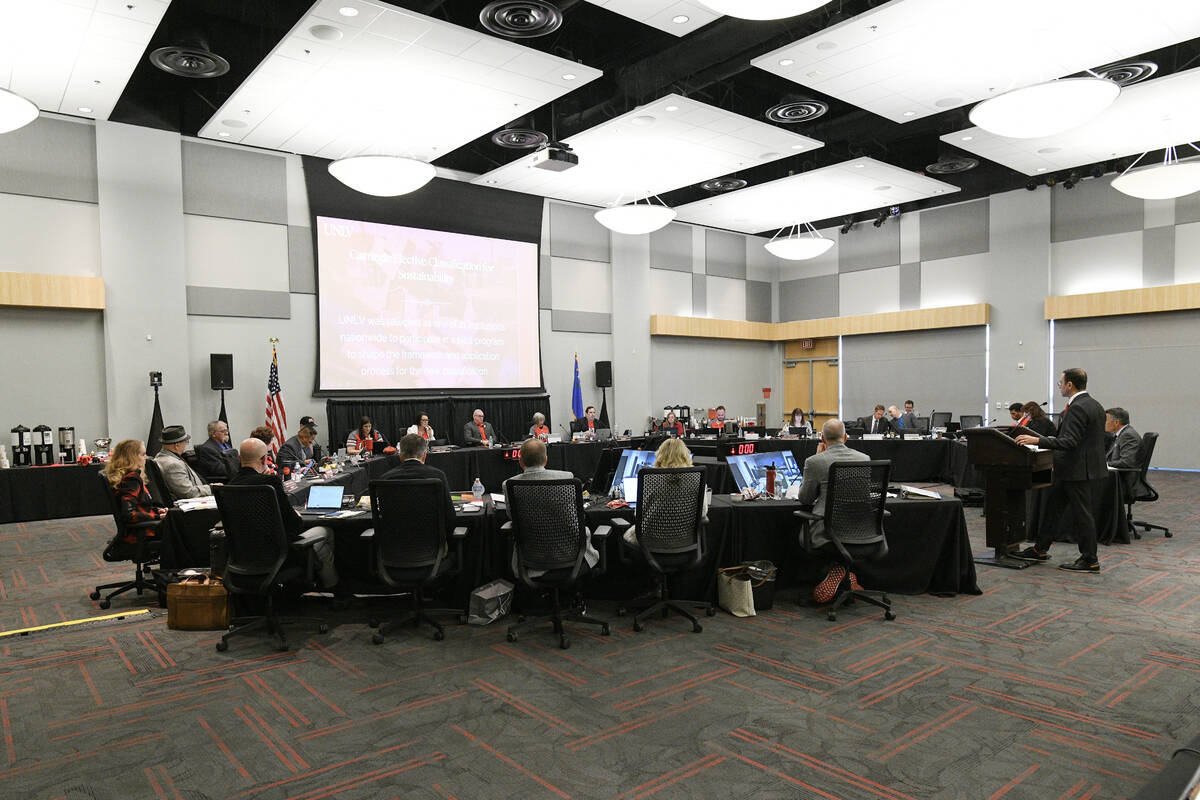
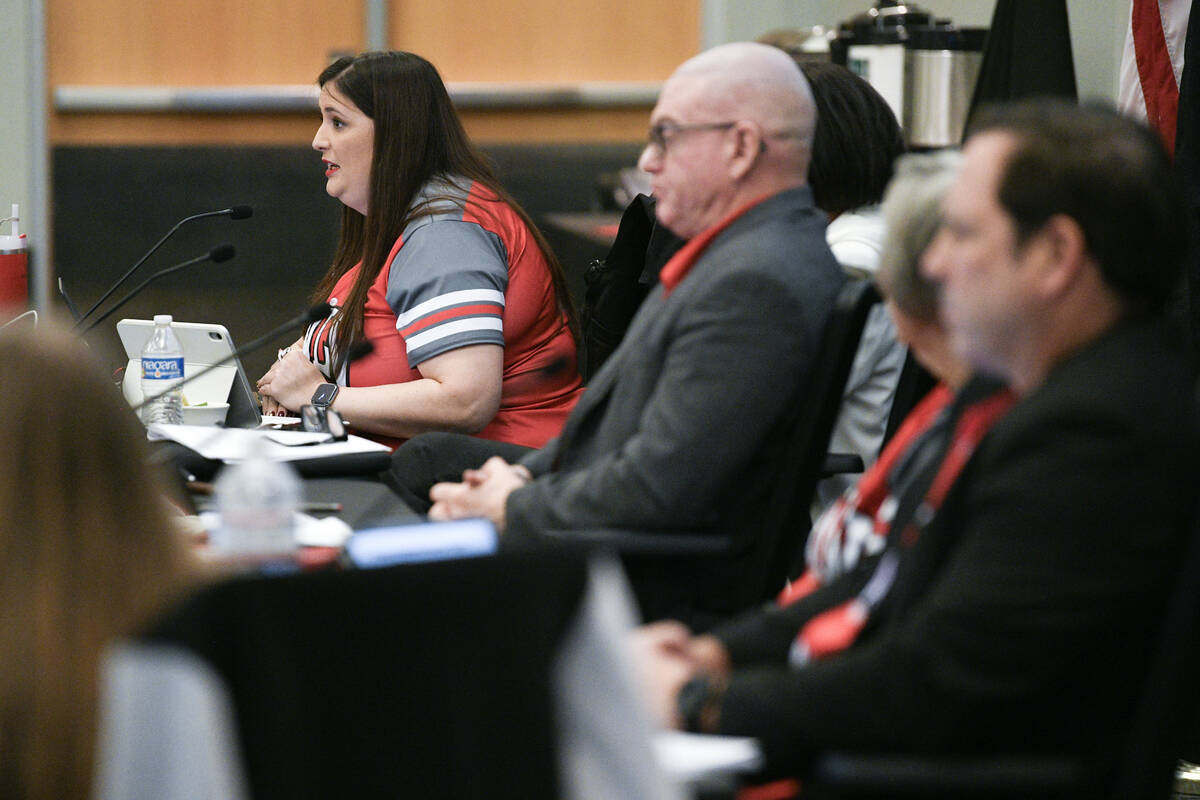
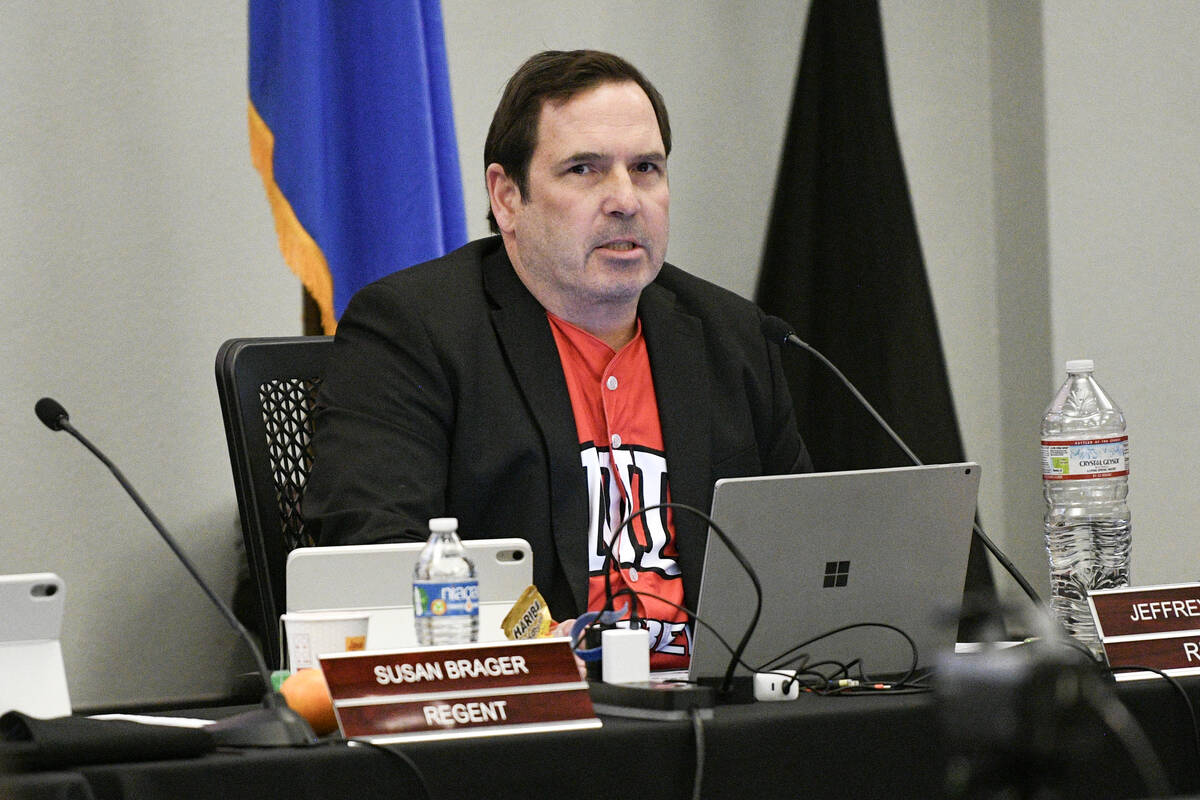
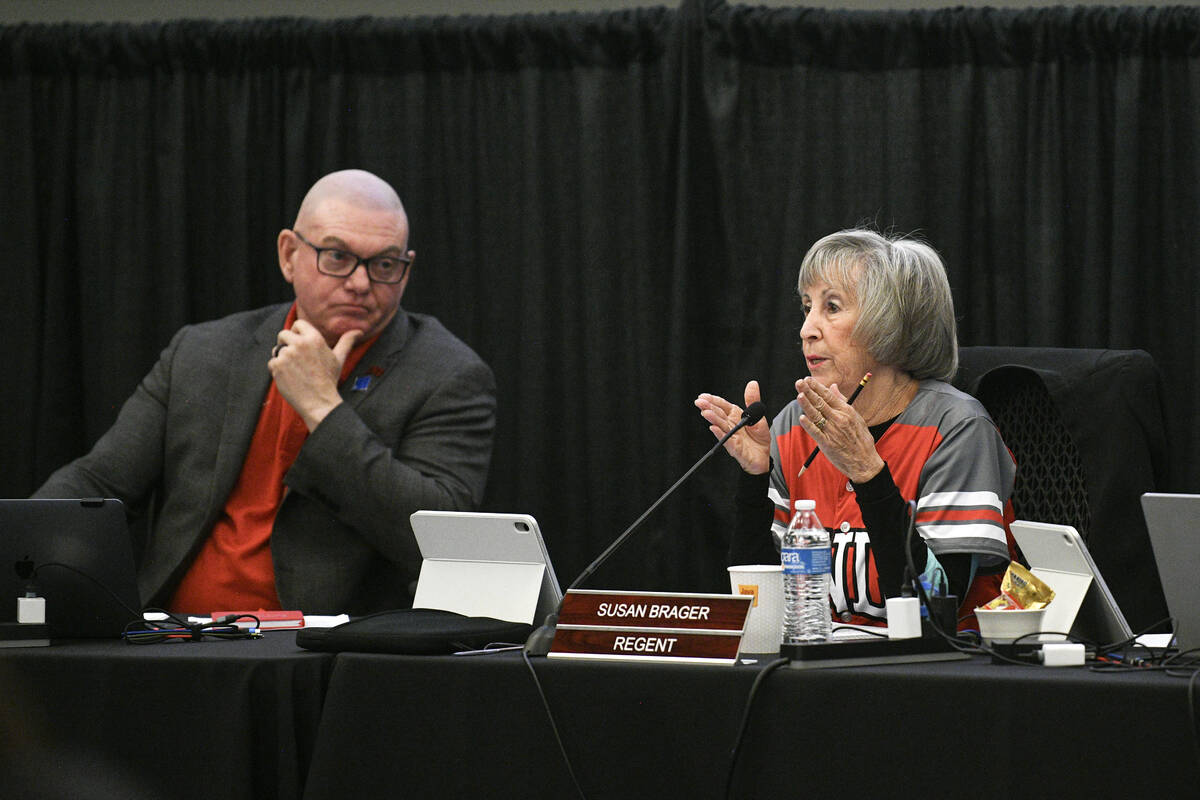







The Nevada Board of Regents delayed consideration of a proposal that could raise tuition by as much as 12 percent and increase other fees that some officials said are needed to offset an expected $46.5 million budget shortfall.
Speaking during a brief recess at the board’s quarterly meeting at UNLV’s student union on Friday, board Chairman Byron Brooks said regents felt they needed more information before acting on a panel recommendation that would increase tuition in each of the next three years throughout the state’s community colleges and public universities.
The rate hikes will now be considered at the board’s Jan. 16 meeting, Brooks said.
“It didn’t make sense to continue on with an agenda item for actions while regents are still trying to ascertain information that is very specific to institutions’ budgets,” Brooks told the Las Vegas Review-Journal. “That’s why it was moved.”
Nevada System of Higher Education Chancellor Matt McNair established an ad hoc committee following the board’s meeting in September to consider non-resident tuition and fee increase options in light of a funding shortfall expected to occur after one-time funding that was used for faculty cost-of-living increases expires, according to Friday’s meeting agenda.
What the proposed hikes would look like
The committee is recommending an increase in non-resident tuition and registration fees on top of additional hikes in registration fees tied to inflation.
For students at UNLV, the University of Nevada, Reno, and Nevada State University, non-resident tuition and registration would increase by 3 percent in fiscal year 2026, 4 percent in fiscal year 2027 and 5 percent in fiscal year 2028, for a total of 12 percent overall.
The proposed fee increase would also affect full-time Nevada residents after fiscal year 2029, according to a briefing paper attached to Friday’s agenda. UNLV and UNR students would see a fee increase of $1,200 per year, and NSU student fees would go up $900 annually. Upper division community college courses would also increase by $900 and lower division classes would increase by $400 a year.
Left unchanged, registration fees for UNLV and UNR undergrads are set to increase from $288.50 per credit this year to $326.50 by fiscal year 2028. The committee’s proposal would instead raise the registration fee to $367.25 per credit by the 2028-2029 academic year.
The committee’s plan would also raise out-of-state tuition at Nevada’s community colleges — College of Southern Nevada, Great Basin College, Truckee Meadows Community College and Western Nevada College — based on a course’s experience level. Under the proposal, tuition for “lower division,” or 100- and 200-level classes would increase 9 percent through 2028, while “upper division” courses would rise 12 percent during the same period.
‘Nobody wants to pay more’
More than a dozen students took turns voicing concerns that the fee increases could be an added burden on students, especially those who already work to support their education or to pay for living expenses throughout the semester.
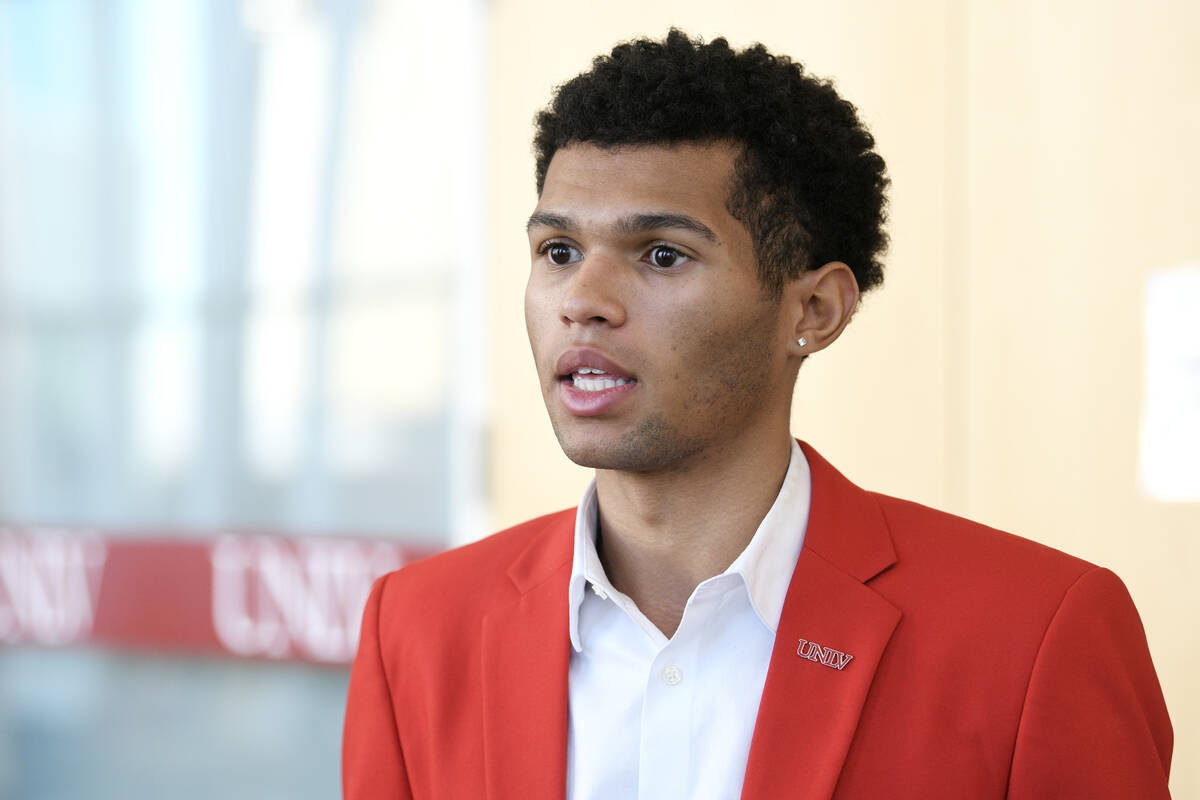
Kelechi Odunze, the UNLV undergraduate student body president, said he’d like university administrations throughout the state to begin furnishing reports that would analyze how the proposed tuition and fee increases would negatively impact projected enrollment, and to potentially cut programs that could instead make up for the rate hikes.
While regents’ decision to delay consideration wasn’t a win per se, Odunze said it at least buys him and other students time to spread the word.
“Hopefully it gives us more time to talk with all of the institution presidents, the Board of Regents and see where their thoughts are, and if we can find other ways to fund this budget gap,” Odunze said. “It’d be a win if it doesn’t get approved. But it would suck if they do approve it.”
Chris Viton, NSHE’s Chief Financial Officer who helped present the committee’s findings, told regents on Friday that student fees make up about 35 percent of NSHE’s funding, whereas the other 65 percent comes from state appropriations. He also acknowledged that the move would be unpopular.
“Nobody wants to pay more,” Viton said.
Signed into law earlier this year, Assembly Bill 568 provided a one-time $57.5 million infusion to support operating expenses for fiscal years 2026 and 2027. Viton said that beginning in fiscal year 2028, NSHE will need to replace the sunsetting funds to avoid major budget gaps.
“Unfortunately, the answer in this case, it’s paying more to maintain at the same levels that we’re currently functioning,” Viton said. “This does back fill a gap in the budget.”
Brooks said after hearing feedback from students and regents at Friday’s meeting that more time is needed before a final decision is made. Brooks also said he believes higher education funding will need to be a priority for the next legislative session.
“Based on comments today and questions, it’s very clear there’s more information that this body is requesting in order to make proper decisions on how the agenda item moves,” Brooks said of the proposed tuition and fee increases. “And what I mean my that is whether it’s going to be approved or disapproved.”
Contact Casey Harrison at charrison@reviewjournal.com. Follow @Casey_Harrison1 on X or @casey-harrison.bsky.social on Bluesky.