Death rate lower for Hispanics than whites, CDC says, but with complications













The death rate among Hispanics — the nation’s fastest-growing ethnic group — is 24 percent lower than non-Hispanic whites, according to a new report from the U.S. Centers for Disease Control and Prevention.
But liver disease and diabetes affect Latinos more than non-Hispanic whites, the report said.
“Some areas of health are better among Hispanic populations, some are worse, but all can be improved,” CDC Director Dr. Tom Frieden said during a Tuesday media briefing on the report.
Hispanics, who accounted for 27.3 percent of Nevada’s population in the 2010 Census, have lower rates for many of the leading causes of death: cancer, heart disease, injuries, stroke, respiratory disease, Alzheimer’s disease and suicide.
Hispanics, however, are much more likely than whites to die from diabetes, homicide or chronic liver disease and cirrhosis, CDC researchers found.
The phenomenon is known as the “Hispanic paradox.” The Hispanic population tends to be poorer and less likely to have access to health care, Frieden said. The paradox likely is related mainly to lower smoking rates among Hispanics, he added. Overall, about 14 percent of Hispanics smoke compared to 24 percent of whites.
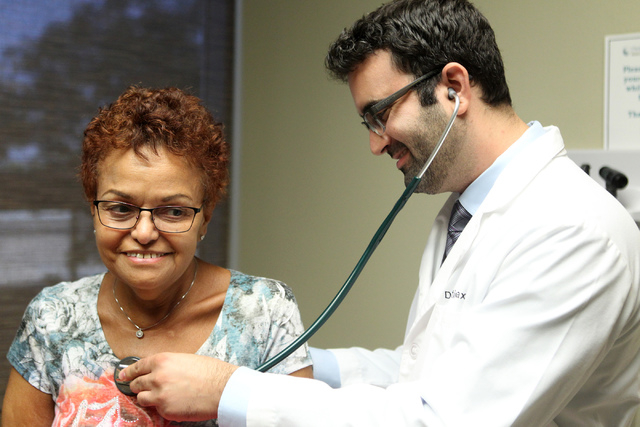
Dr. Justin Maxwell, a family practitioner with HealthCare Partners Nevada, said the numbers in the report came as no surprise given his experience with patients. The higher incidence of diabetes among Hispanics could be attributed to less healthful lifestyle choices because of economic factors. Families with lower incomes trend toward diets that include processed foods higher in sugars and salt, and less on fresh fruits and vegetables.
“Most of the chronic medical conditions I see in my clinic on a day-to-day basis have to do with diet,” Maxwell said. “A lot of these conditions weren’t as much of a problem when people were eating a healthier diet.”
Data from the report could be used by public health officials in planning programs and devoting resources to meet the specific needs of different socioeconomic groups, said Dr. Joe Iser, chief medical officer for the Southern Nevada Health District.
“It’s not all related to ethnicity or race,” Iser said. “We look more at the root causes, which would be education, income, access to health care and a variety of other things.”
The information will be of use as district officials pursue the creation of a health improvement plan being written this year detailing goals, objectives and strategies aimed at improving the health of the community. The incidence of diabetes in the Hispanic community already was well known, Iser said, but the data about liver disease was interesting.
“There are lots of causes for liver disease,” Iser said. “It’s data that we can use, but how we can use it will come out in the medium term, meaning sometime later this year.”
Contact Steven Moore at smoore@reviewjournal.com or 702-380-4563.