Team begins rehabilitating terrain in wake of wildfire


Soil scientist Jim Hurja and his Burned Area Emergency Rehabilitation team will be dropping straw bales to stabilize erosion-prone soil along Kyle, Lee and Trout canyons over the coming months in the wake of the Carpenter 1 fire on Mount Charleston.
Hurja said the team works literally from the ground up, starting with samples of charred earth.
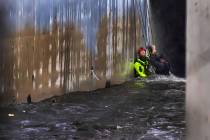
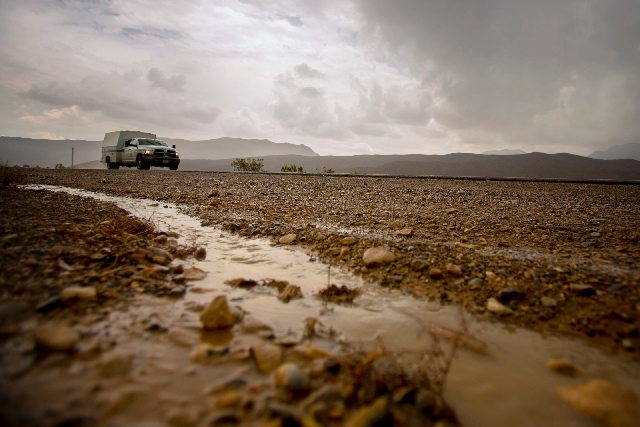
“Due to the slope of the mountain and pretty much complete consumption of the vegetation, we’re looking at runoff events in the Trout Canyon area that definitely need to be assessed,” the Las Vegas-based soil scientist said. “You’re going to have a rain event, and it’s easy for sediment to go flying off the mountain.
“It depends on the severity of the fire, but the key is flooding events . That’s what we’re worried about. We’re looking at debris flows that could run all the way down to the highway.”
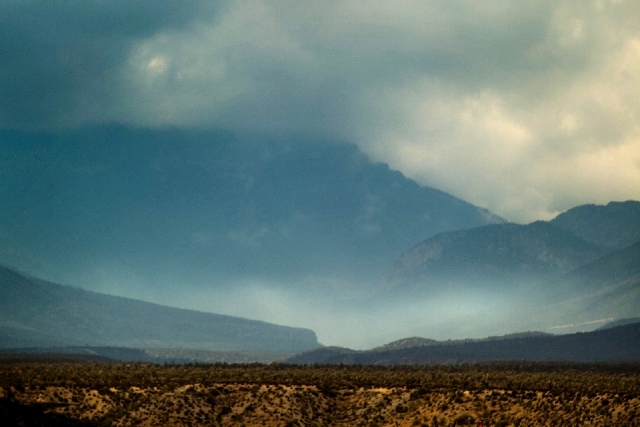
As the blaze burned, Hurja sat in front of a fire containment map and wondered what a 25,000-acre checkerboard of scorched earth and Mount Charleston evergreens might look like.
He and his team will concern themselves with the black patches . That’s where they plan to spend the better part of a year fortifying initial erosion and landslide barriers, reseeding tree lines and mitigating any fire-inflicted damage to endangered butterfly habitats.
“There are numerous treatments that can be done,” Hurja said. “We have to assess what’s at risk. We’re thinking about lots of risks, everything from impacts to endemic species to sediment flows exposing mine attics.”
Without a satellite burn map, which uses infrared imaging technology to highlight burn severity in areas most at risk for a debris slide, Hurja was unsure what thousands of Southern Nevada’s greenest, most visited acres would look like after the fire.
Mount Charleston Town Advisory Board secretary Kerri Paniagua and other people who evacuated the area seemed to be more concerned about what it looks like in their own backyard.
“I’m worried about the lives up there that could be lost and I’m worried about the homes second,” Paniagua said at a community meeting July 8 regarding the fire. “If it doesn’t come down any farther on the inside of the canyon, it’s going to be like the Cathedral Rock fire: There’ll be spots you can see but not completely black.”
A 2010 U.S. Forest Service report estimates the community wide costs of a major wildfire — including losses associated with tourism-based tax revenues — could range from two to 30 times greater than the reported costs of fighting it.
Paniagua, who also works at the Southern Nevada Conservancy Visitors Center, hopes those estimates won’t apply to the more than 2 million hikers, bikers and campers who flock to Mount Charleston’s slopes each year.
“South Loop Trail and Griffith Trail will never look the same, and I don’t think they’ll recover in my lifetime,” she said. “The lodge will suffer, so will the hotel, but at the same time, we’re going to have an influx of what you would call looky-loos: Everybody’s going to want to come see the damage.”
April Johansen, another longtime mountain resident, was unsure how the fire might impact Mount Charleston’s visitors but took comfort in knowing that someone from Hurja’s Burned Area Emergency Rehabilitation team will be keeping an eye on the fire’s natural ripple effects.
Days into her evacuation, Johansen and others voiced frustration that no wildfire prevention measures were taken.
“I think lightning rods are worth looking into,” Johansen told Spring Mountains National Recreation Area manager Randy Swick. “I understand fire is a natural thing, but we haven’t had drought of this nature before, so we have to take these things into consideration.”
First responders can’t hope to undo what the Carpenter 1 fire has done , Swick said.
“The sad thing with a fire is it’s not over when the mop-up crews come in,” Swick said. “We know those slopes are highly erosive. We could see a lot of material washing down drainages. It could pose threats to homes, roads, infrastructure. So the first and foremost objective of BAER is to protect life and property, just like it was during the fire.”
Contact Centennial and North Las Vegas View reporter James DeHaven at jdehaven@viewnews.com or 702-477-3839.