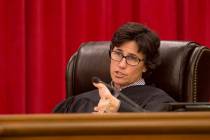
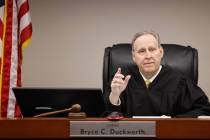
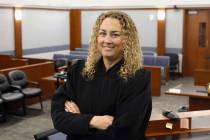
Keep all appellate judges on the bench, Clark County lawyers say
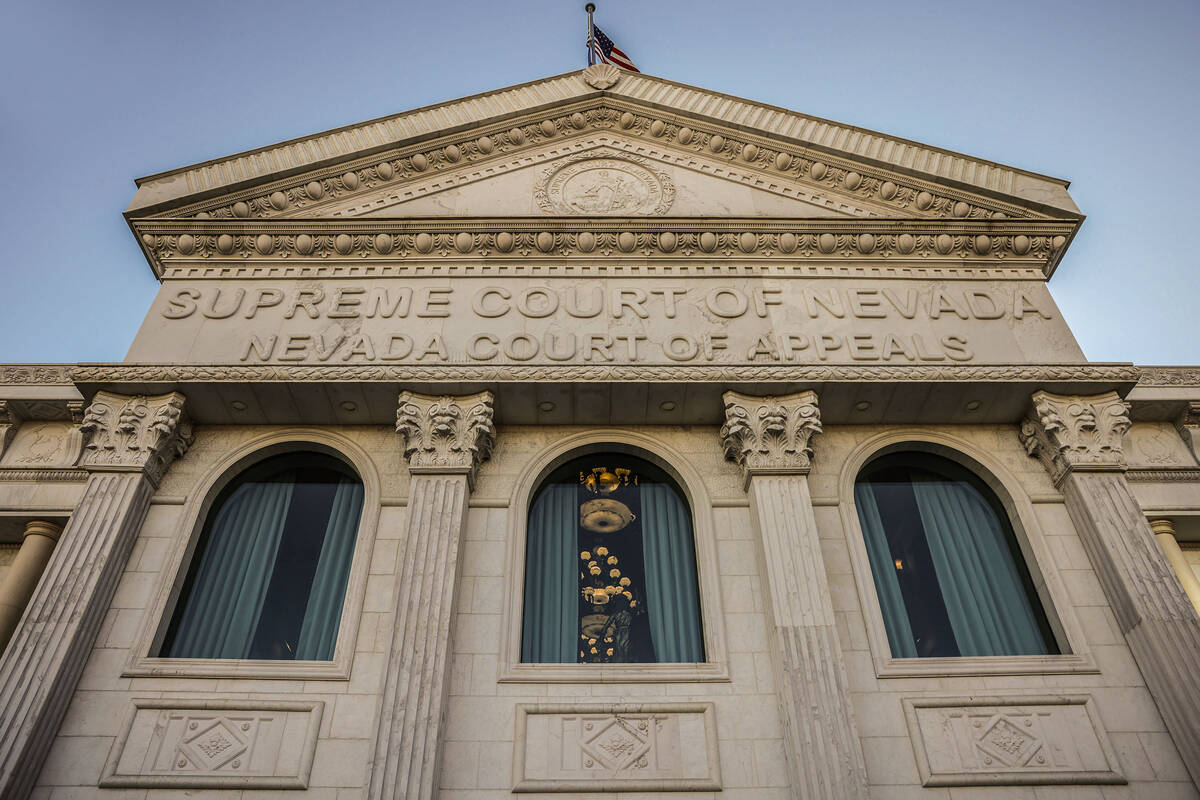


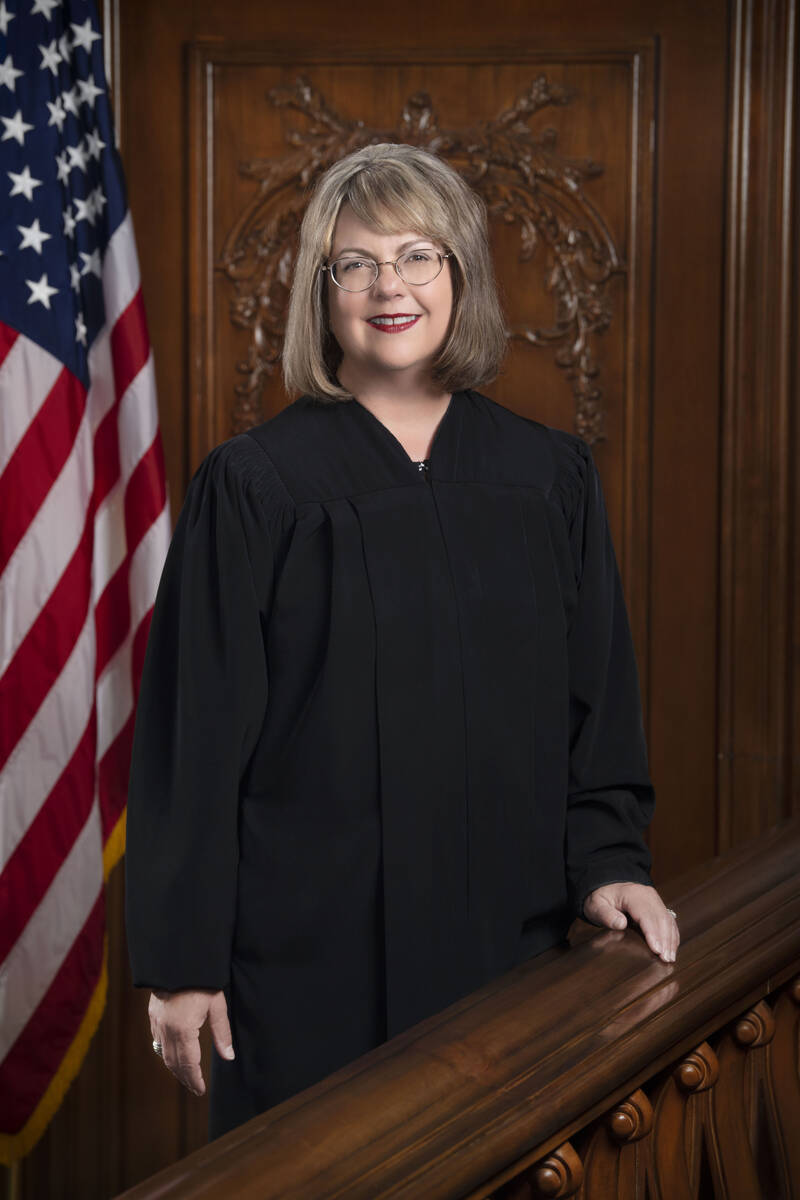
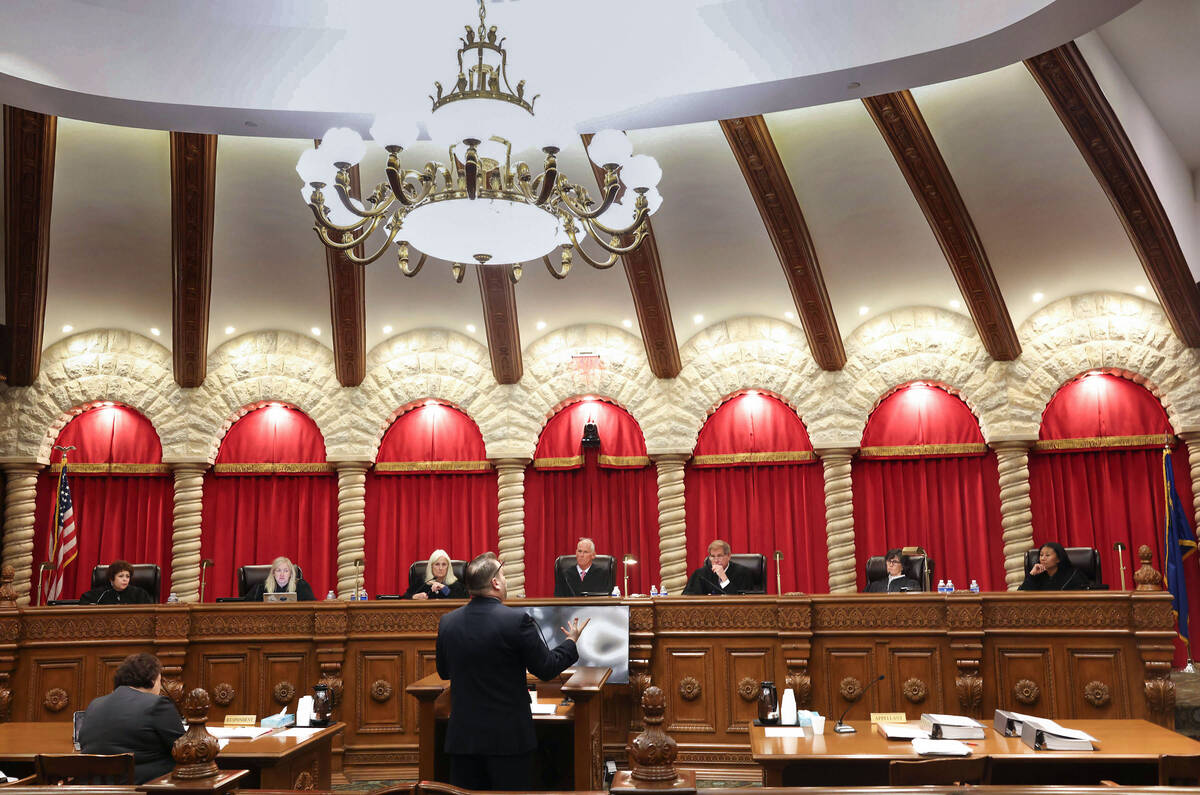


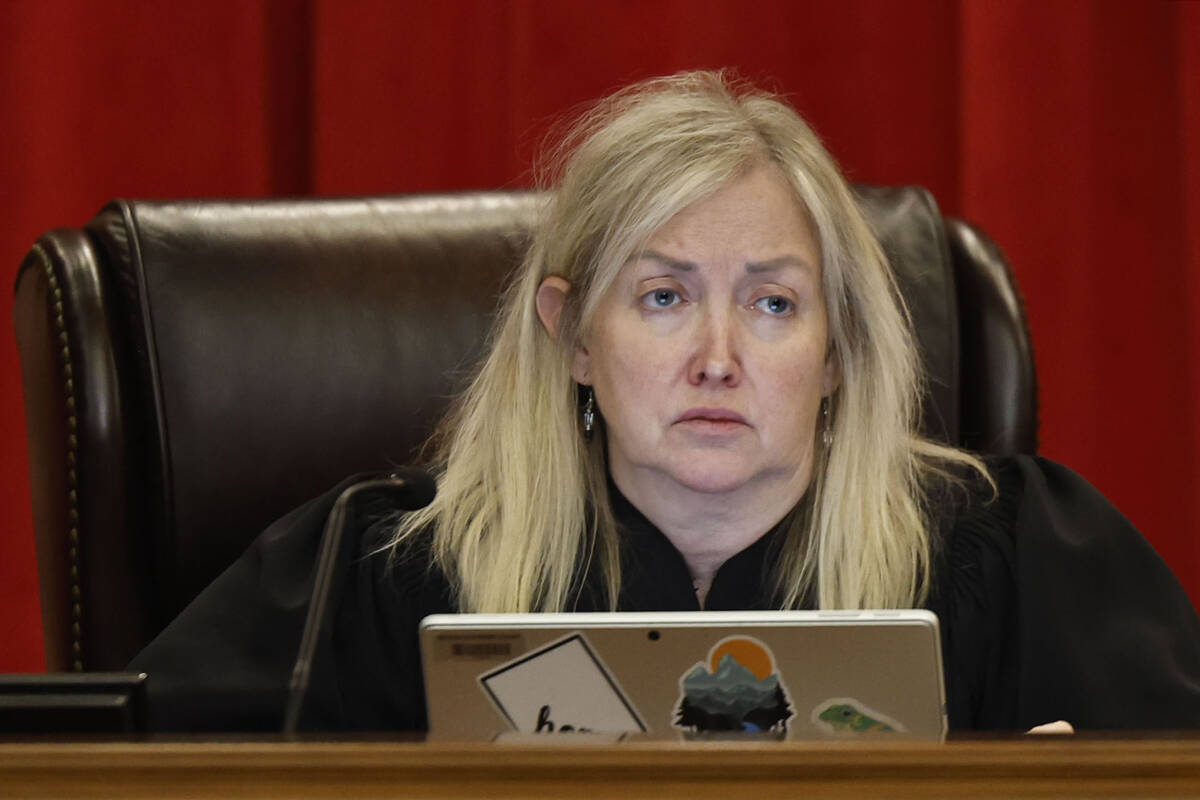
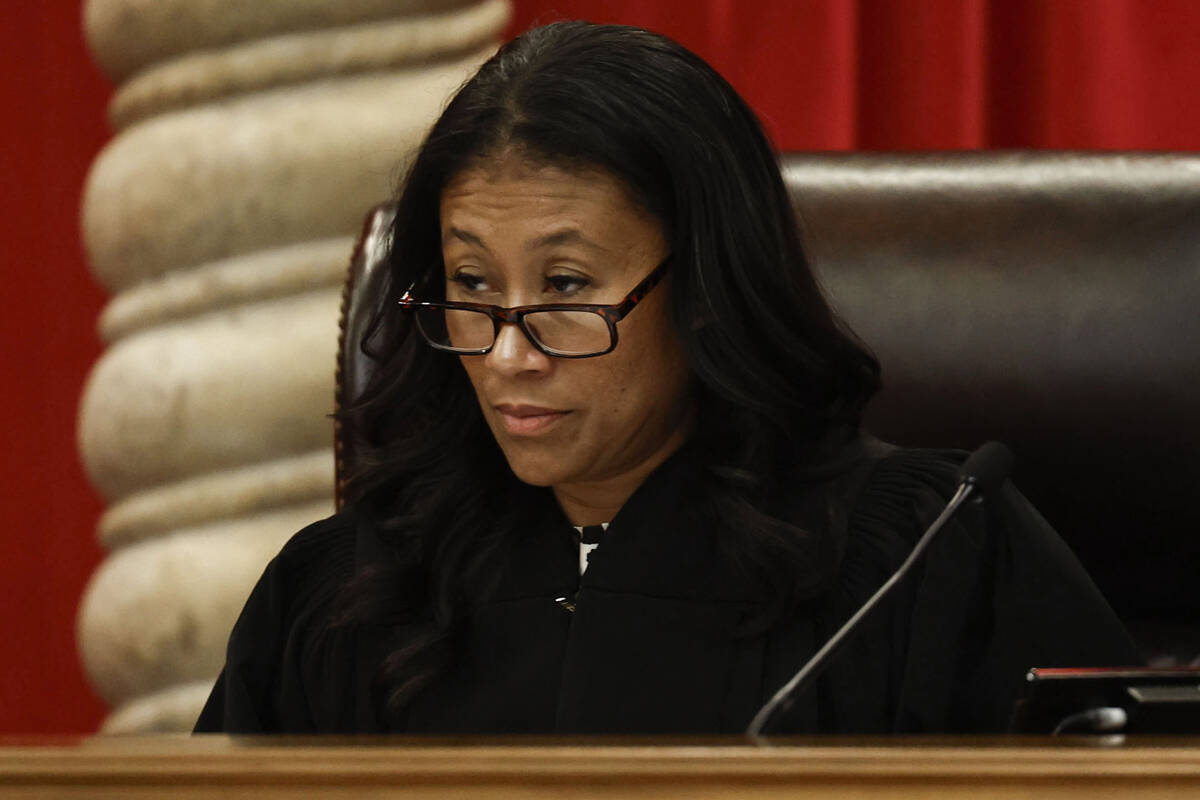
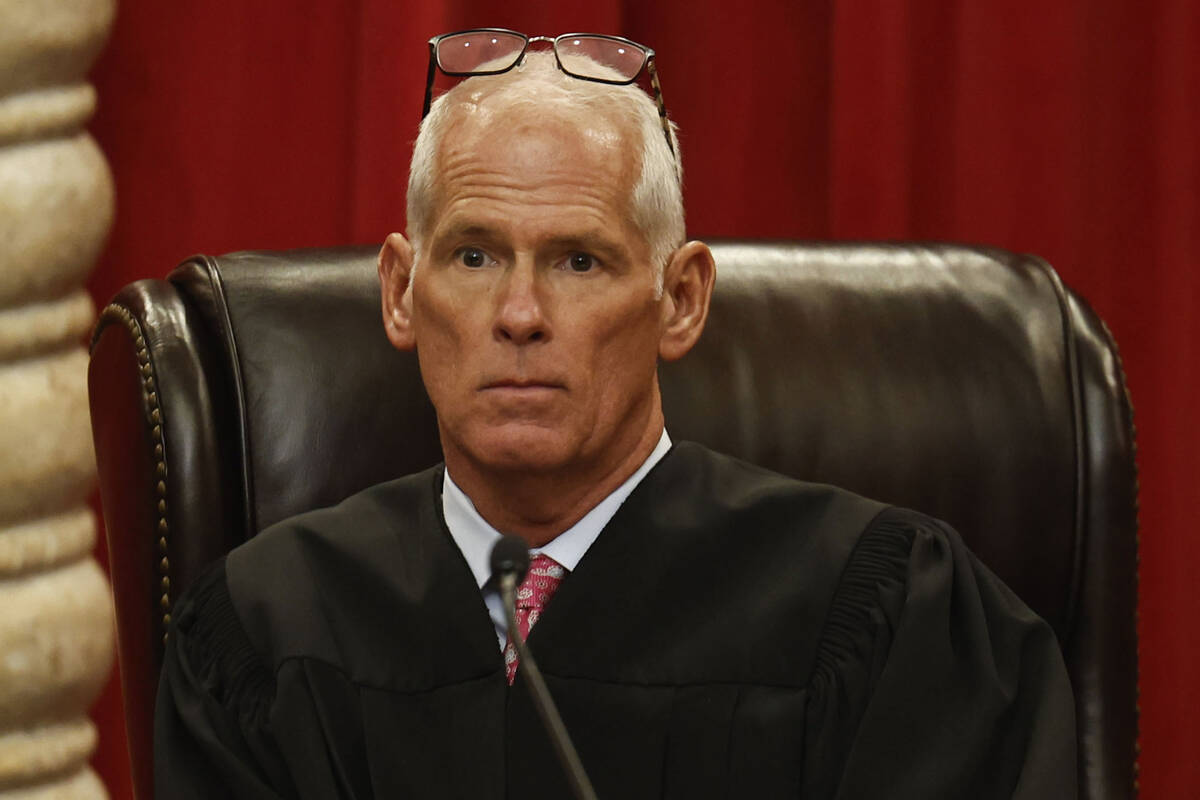

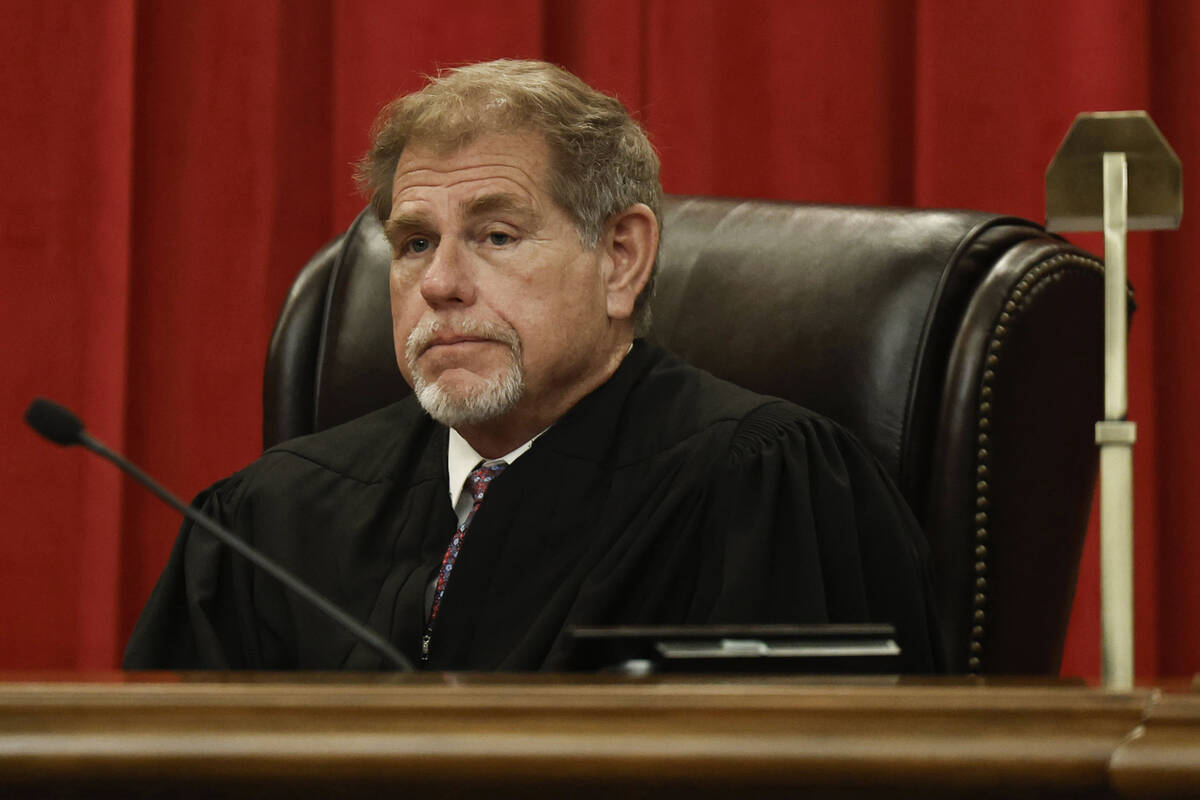
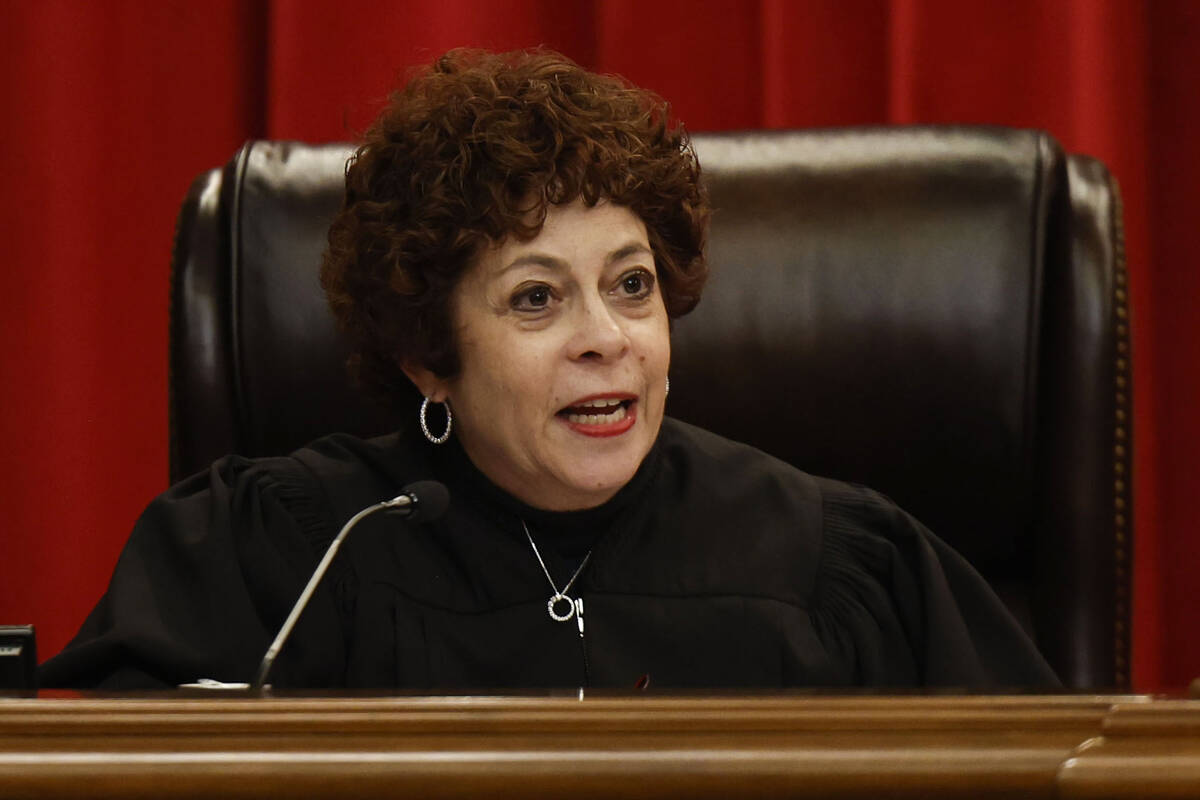
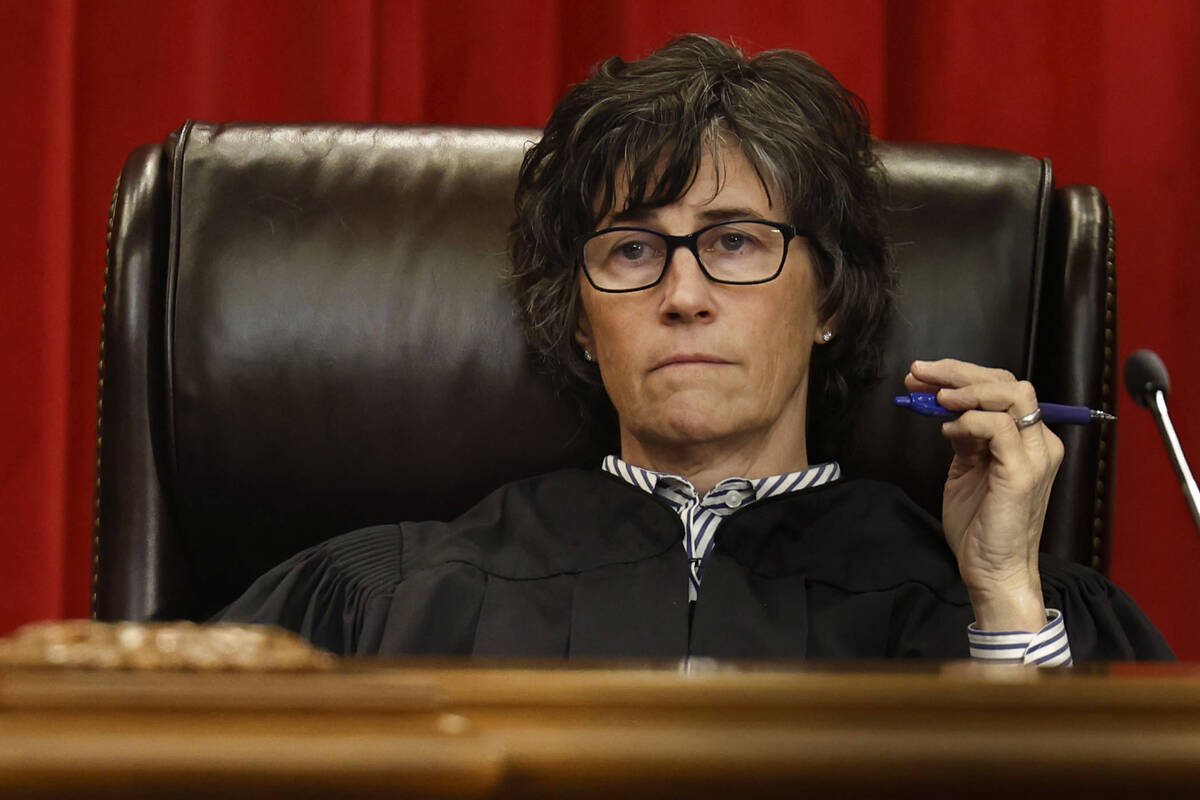




Nevada’s appellate courts are full of judges who are experienced and fair in the courtroom, according to Clark County lawyers.
The Las Vegas Review-Journal’s 2025 Judicial Performance Evaluation, better known as “Judging the Judges,” was generated with the support of UNLV’s Center for Research, Evaluation and Assessment.
It asked lawyers in the county to divulge their experiences with judges, helping inform voters when it comes time for them to decide whether judges should be retained. All 10 who serve on the Nevada Supreme Court and Nevada Court of Appeals passed with flying colors, receiving the support of well more than half of the lawyers who were asked if the judges should keep their roles.
The Supreme Court is the highest court in the state, tasked with reviewing appeals of lower court decisions. That means its justices must have at least a working knowledge in nearly every realm of state law, from criminal law to water law. The high court sets precedents for how Nevada’s laws should be interpreted — sometimes with tangible consequences for not just those involved in one particular case.
“When we throw a rock in a pond, there are ripples,” Justice Lidia Stiglich said in an interview.
The Nevada Court of Appeals, however, is an intermediate appeals court created through a voter-approved constitutional amendment that passed in 2014. It hears appeals, too, but only takes cases assigned to it by the Supreme Court.
Generally, it handles cases that can be decided more quickly, alleviating the high court’s caseload by deciding cases that can be as simple as a driver’s license revocation, Judge Deborah Westbrook said in an interview. Most family law cases go through the intermediate court, she said, as do lower-level felonies and unemployment appeals.
“Our function is like the pressure release valve for the Supreme Court,” Westbrook said.
Westbrook, Bulla get top retention scores
The appellate judge with the most lawyers who agreed they should stay in office was Westbrook, with 91.4 percent of responding lawyers believing she should keep her role.
Westbrook, who began a six-year term in 2023, previously had practiced law in the state for two decades. She was a chief deputy public defender in the appellate division of the Clark County public defender’s office from 2013 to 2022, and practiced labor and employment law before that.
She scored the highest of the appellate judges for administrative and legal ability, which measure courtroom management and just application of the law. In anonymous, written comments, one lawyer called Westbrook “the brightest judge on the bench,” while another said her opinions are “well written and always come to the correct conclusion based on facts and law.”
The appeals court benefits from the diverse backgrounds of each of its three judges, Westbrook said. In her view, her strengths come from her time as an appellate lawyer, when she came to intimately know appellate rules and procedures.
“We each have a little bit of a different perspective to bring,” Westbrook said. “It’s like having this brain trust of people that can work together collaboratively.”
Right behind Westbrook in the rankings is Bonnie Bulla, with the vote of approval from 82.4 percent of lawyers. Then-Gov. Steve Sisolak appointed Bulla to the court in 2019. Voters retained her the following year, and she was elected to a six-year term in 2022.
Westbrook said the court, under Bulla’s leadership, has streamlined the court’s structure. Instead of each having an assistant, the three judges share one so that resources can be put toward staff attorneys who keep the court moving.
In an interview, Bulla said the diverse nature of the cases that come before her requires her to spend a lot of time reading in the Supreme Court’s law library.
“I read every day, and it’s exciting because it’s like solving a new problem or a new puzzle,” said Bulla, a former Clark County District Court discovery commissioner. “Every day, I get to look at new issues and read the law that pertains to those issues so that I have a good understanding of being able to solve the problem that comes before me.”
Agreeing with Westbrook, Bulla said the court is collaborative by nature. While most of the court’s decisions are unanimous, sometimes disagreements are reflected in dissenting opinions, she said.
Stiglich, Cadish perform best of justices
On the Nevada Supreme Court, the highest retention scores were those of Stiglich and Justice Elissa Cadish, with the approval of 82 percent and 80.4 percent of responding lawyers, respectively.
Stiglich has been on the bench since 2016 with an appointment from then-Gov. Brian Sandoval, becoming the court’s first openly gay justice. Voters agreed to retain her during elections in 2018 and 2024.
Prior to joining the court, Stiglich was a District Court judge in Washoe County, hearing civil, criminal and probate cases. She co-founded the district’s Youth Offender Drug Court, meant to offer alternative rehabilitation routes for young adults ages 18 to 24 who are addicted to opioids. Before that, she was managing partner of her own firm.
A huge chunk of the job of a justice is reading and getting up to speed on different areas of law, Stiglich said, especially when it comes to complex issues, such as water or stock transactions.
“You’re always learning on the job,” Stiglich said. “That’s the fun part.”
Above all, Stiglich said, the goal is to get more legal interpretations on the books. Because the court deals with such a high amount of cases that take a long time to sort out, the number of legal volumes available to Nevada lawyers is limited.
“We’ve been around since 1864,” Stiglich said. “Nancy Drew has only been around for so long — she might have more volumes.”
When Cadish joined Stiglich on the bench in 2019, the court had its first-ever female majority. Cadish moved to Las Vegas after graduating from the University of Virginia’s law school in 1989, clerking for a District Court judge and then entering a private practice focused on commercial and employment law.
She was a District Court judge in Clark County, handling civil and criminal cases, from 2007 until she was elected to the high court.
Cadish had the highest scores on the Supreme Court for administrative and legal ability, as well as integrity.
“No two cases are the same, and it always involves learning,” Cadish said in an interview. “I enjoy that aspect of it, the opportunity to learn about different areas of the law, but it does require the work to do that. It’s not like we can just sit back and think we know it all.”
The survey’s scores for appellate judges are encouraging, Cadish said, offering each of them a unique opportunity to receive feedback on their performance. Cadish said she believes all the justices on the high court are working to deliver fair, well-considered opinions grounded in state law.
“It’s important for us to put aside our personal views or personal predilections, and rule based on the legal issues that are before us,” she said. “We generally leave the policy-making to the policymakers at the Legislature and the governor.”
Contact Alan Halaly at ahalaly@reviewjournal.com. Follow @AlanHalaly on X.
Disclosure
The Review-Journal has civil cases pending before the Nevada Supreme Court and the following local judges who were rated in the survey:
District Judge Timothy Williams
District Judge Jasmin Lilly-Spells
District Judge Anna Albertson
District Judge Erika Ballou
Las Vegas Justice of the Peace Elana Lee Graham
Las Vegas Justice of the Peace Jessica Goodey