




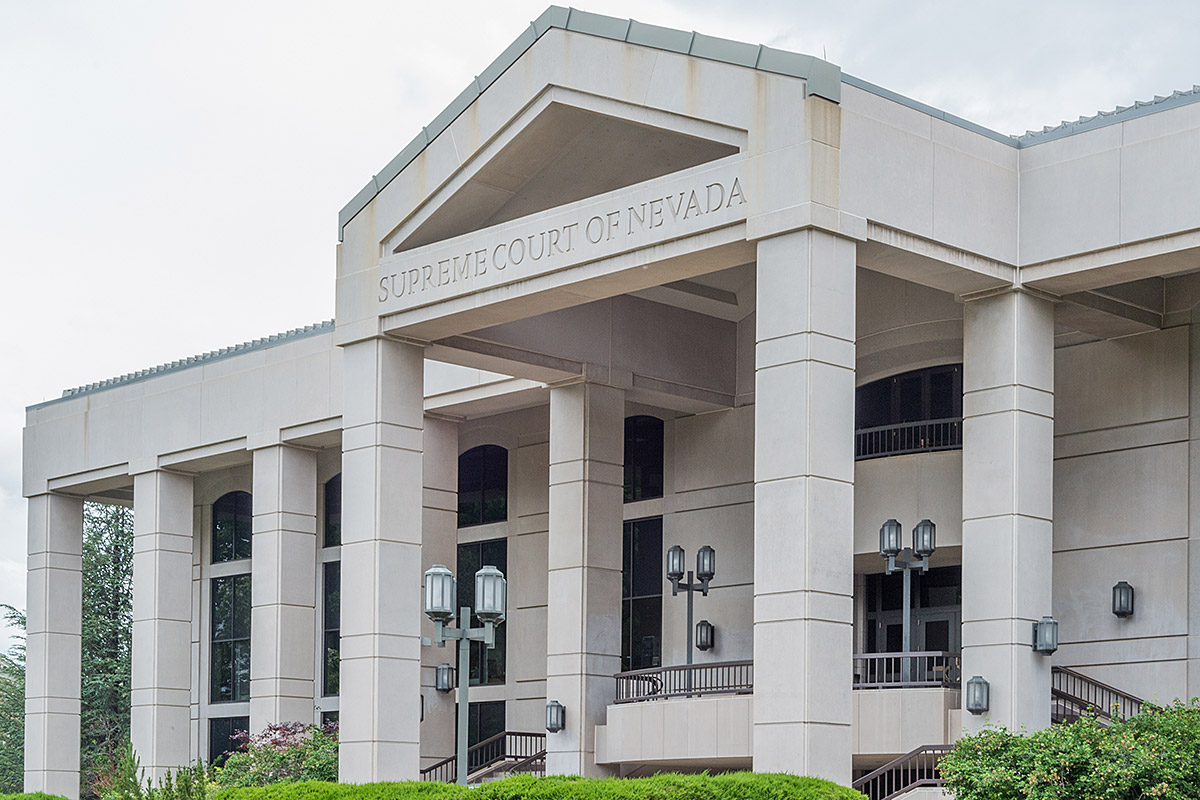
In a pivotal decision earlier this year, the Supreme Court of Nevada ruled that a statute of limitations defense may be contractually waived—reinforcing Nevada’s longstanding commitment to enforcing contracts as written.
The case that sparked this ruling, MMV Investments LLC v. Dribble Dunk LLC, centered on a personal guaranty signed by an individual guarantor. The guaranty secured over $12 million in loans intended to fund a proposed professional basketball arena in Las Vegas. A lower court initially dismissed the claim against the guarantor, holding that it was time-barred under Nevada’s six-year statute of limitations for written contracts. However, the Nevada Supreme Court subsequently reversed that decision.
Why? Because the guaranty clearly stated that the guarantor would remain liable “regardless of whether recovery upon any such obligation may be or hereafter become barred or otherwise unenforceable.” The Court found this language to be a valid and enforceable waiver of the statute of limitations.
A First for Nevada
Before this ruling, it was unclear whether Nevada law permitted a contracting party to waive the right to assert a statute of limitations defense. And if such a waiver clause were found to be unenforceable, it could raise questions about the enforceability of the rest of the contract.
With its decision, the Supreme Court emphasized that Nevada law prioritizes enforcing contracts as written. Given that existing Nevada law already allows for parties in litigation to waive a statute of limitations defense, the Supreme Court did not see any new public policy concerns created by also permitting contracting parties to waive such a defense. The ruling reaffirms a consistent theme in Nevada law: courts will uphold contracts as written, unless a statute or clear public policy dictates otherwise.
Statutes of Limitation in Nevada
Nevada law, specifically Nevada Revised Statutes Section 11.190(1)(b), generally gives parties six years to bring claims under written contracts. If a party files a claim beyond this period, the other party can typically raise the statute of limitations as an affirmative defense.
Statutes of limitation serve several important purposes, including encouraging the timely pursuit of legal claims, reducing the risk of stale evidence or faded memories affecting case outcomes, and providing clarity and closure for potential defendants.
Lenders often include clauses in their loan documents that require borrowers and guarantors to waive numerous defenses that they otherwise might be able to assert against the lenders in the event of litigation, including a statute of limitations defense.
Practical Implications for Nevada Businesses and Lenders
The decision has immediate relevance for lenders, borrowers, and guarantors. Parties can now contractually agree that the statute of limitations will not serve as a defense—even if the underlying obligation would otherwise be time-barred.
Outside of lending, contracting parties must now consider whether they are willing to accept the risk that a claim could be brought against them well beyond the typical six-year statute of limitations. A cautious party might seek to remove any waiver of this defense during contract negotiations, preferring instead to rely on the default protections offered under Nevada law.
This ruling might also lead to more claims being filed after the applicable statute of limitations period has expired—forcing businesses to respond to old disputes where the evidence may have degraded. As a result, businesses that agree to this type of waiver will need to consider preserving their books and records for longer periods than they otherwise would.
While the Supreme Court in this case did not impose limits on these waivers provided that the waivers do not violate existing Nevada statutes or public policy, it is possible that in the future, the Court could identify further limits to prevent unfair or overly burdensome results. Until then, the onus will fall on defendants to argue that enforcing such waivers would violate statutes or public policy considerations applicable to their specific circumstances.

Future Impact for Contracting Parties
Going forward, it is essential for parties to review their contracts carefully. If a contract contains a provision that expressly waives a party’s right to assert a statute of limitations defense, that party must decide whether that waiver is a tolerable risk or a potential deal-breaker.
In Nevada, the statute of limitations is no longer off limits in contract negotiations—it’s now just another term that can be negotiated and waived.
~~
Christopher Walther is a Director in Fennemore’s Business and Finance practice group based in Las Vegas, Nevada, with a transactional practice focusing on corporate, business, and commercial real estate matters. Chris counsels clients on corporate organization, governance and restructuring (including mergers and acquisitions), as well as business agreements and contracts. Chris also aids commercial lenders and borrowers with secured loans, and advises in the acquisition, financing, operation, leasing and sale of commercial real and personal property. He can be reached at cwalther@fennemorelaw.com