EDITORIAL: Free speech case should be an easy call for high court
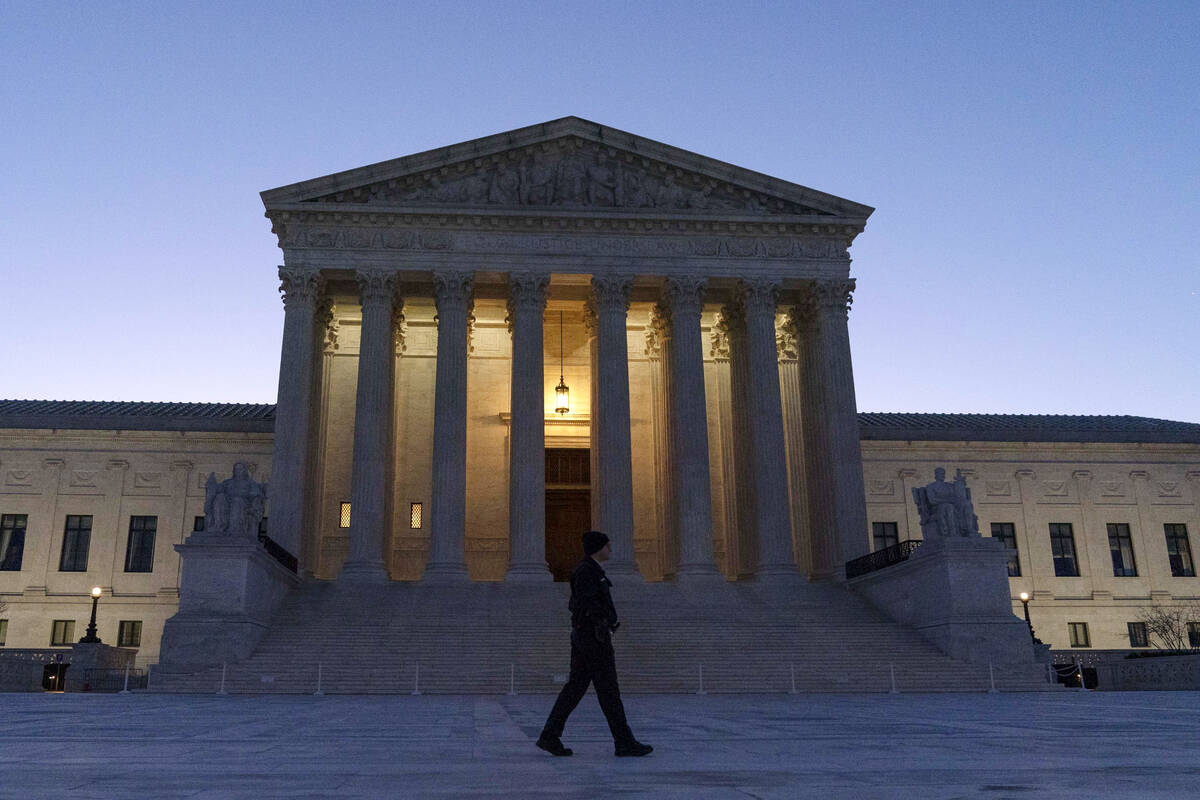





The Supreme Court heard arguments this week in one of the few First Amendment cases it will decide this term, and the justices appeared poised to side with defenders of free speech.
The case involves a group of faith-based woman’s reproductive clinics that were targeted by the Democratic New Jersey attorney general, who alleged that they may have misled financial contributors because they don’t provide or support abortion. The state launched the probe absent a single complaint from any donor, raising suspicions of political motivation.
The investigation culminated in a subpoena demanding that First Choice Women’s Resource Centers turn over donor information so the state could canvas supporters in search of disgruntled contributors. First Choice refused and went to court. Lower courts punted on the issue, holding that, despite the subpoena, the group had not yet been ordered to turn over information.
But justices — on both sides of the political spectrum — had questions.
“You don’t think it might have an effect on future potential donors to the organization to know that their name, phone number, address, et cetera could be disclosed as a result of the subpoena?” Chief Justice John Roberts asked the attorney arguing for the state.
Justice Elena Kagan also expressed skepticism. “An ordinary person — one of the funders for this organization, or for any similar organization — presented with this subpoena and then told, ‘But don’t worry, it has to be stamped by a court,’ is not going to take that as very reassuring,” she said.
Indeed, this investigation was a pretext for harassing a charity that was a threat to progressive abortion advocates. California tried a similar gambit a few years back when, under the guise of rooting out “fraud,” lawmakers there passed legislation demanding that charities turn over financial information on major donors, a thinly veiled effort to deter support for conservative organizations. In 2021, the high court ruled that the statute violated the First Amendment because it discouraged contributions and undermined freedom of association.
Indeed, a passel of groups on both the left and right lined up behind First Choice, realizing that they, too, could eventually be in the cross-hairs if New Jersey’s overreach were allowed to stand.
“A subpoena seeking sensitive donor information can chill a disfavored speaker’s protected associations long before it’s ever enforced,” read a joint brief by the liberal ACLU and the libertarian-leaning Foundation for Individual Rights and Expression.
This should be an easy call for the court. The New Jersey attorney general’s quest is an affront to free speech.