EDITORIAL: Pressing to repeal gambling tax reform
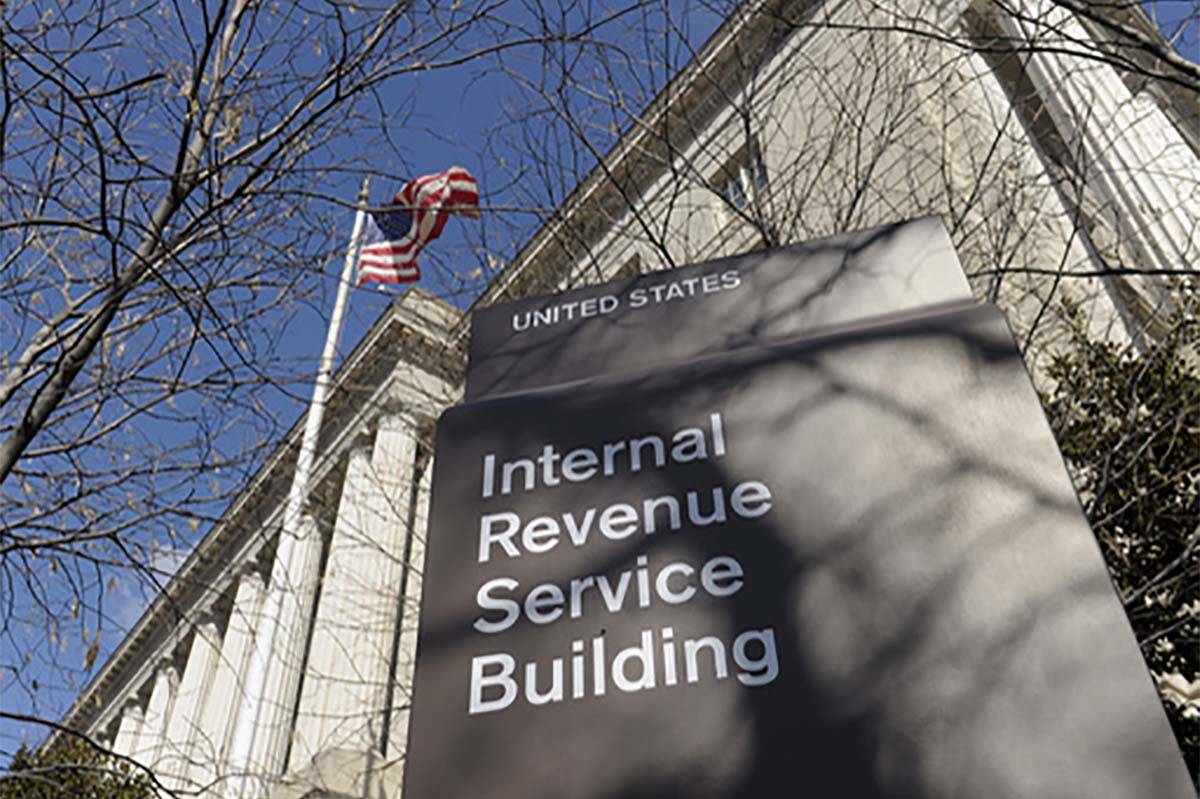




The end of the tax year is nigh, which means wage earners will soon be operating under President Donald Trump’s signature tax bill, which passed in July and takes effect Jan. 1. But while the vast majority of the legislation is worthwhile, the bill includes a misguided codicil regarding gambling income that demands revision.
Currently, gamblers may offset winnings with losses if they itemize deductions on their federal returns. For instance, a video poker player who itemizes and collected $10,000 in payouts in a given tax year after dumping $9,000 into the machines would owe federal tax an a $1,000 profit.
Mr. Trump’s “One Big Beautiful Bill,” however, allows gamblers who itemize to offset only 90 percent of losses against winnings. This means that a sports bettor who wagered $10,000 during the year and broke even would still owe taxes on $1,000, even though he never actually won any money. The change is expected to generate $1.1 billion for the federal government, according to the Senate Finance Committee.
The reform will hit high rollers and professional gamblers the hardest, and they are the vital to the success of Nevada’s most prominent industry.
“While the change may appear minor, it will have significant and harmful consequences,” Rep. Dina Titus, D-Nev., wrote in protest. “It unfairly burdens professional gamblers and casual players alike and will inevitably drive players toward offshore and unregulated markets where consumer protections are nonexistent, thereby undermining responsible gaming efforts nationwide.”
Rep. Titus has introduced the Fair Bet Act to maintain the status quo when it comes to gambling earnings. In the Senate, Nevada’s Catherine Cortez Masto and Jacky Rosen, both Democrats, have sponsored a companion bill with Republican Ted Cruz of Texas to accomplish the same goal. But neither proposal has received a hearing, let alone a vote.
Last week, casino executives and lobbyists met with the chair of the House Ways and Means Committee to press their case.
“It’s scary to think that we’re already being impacted by groups not booking because they’re afraid of dealing with this issue,” said Derek Stevens, who owns three downtown Las Vegas casinos. “This is clearly going to impact tourism here and throughout the country, and that’s why I’m trying to make a push. …This will impact every casual and leisure slot player who hits a jackpot. This is just bad all around, and it’s not good for anybody.”
While there is certainly self-interest in play, the issue goes much deeper. The reform sets a dangerous precedent and raises constitutional issues. “It also opens the door to proposals such as ‘wealth taxes’ or taxes on unrealized capital gains, which would be economically catastrophic,” Tal Fortgang, a legal policy fellow at the Manhattan Institute, noted in a July Wall Street Journal commentary.
But more to the point: What is the moral justification for taxing “income” that was never earned? The fact that nobody in Congress is loudly defending this legally dubious money grab speaks volumes.
The gaming industry and its lobbyists should continue to apply pressure. Nevada’s senators and House members must work tirelessly to get this injustice overturned. This isn’t about protecting an industry that may be unpopular in some quarters. It’s about eliminating a dangerous, unfair and inequitable provision buried in an otherwise meritorious tax bill.