EDITORIAL: Upper Basin states must be willing to compromise
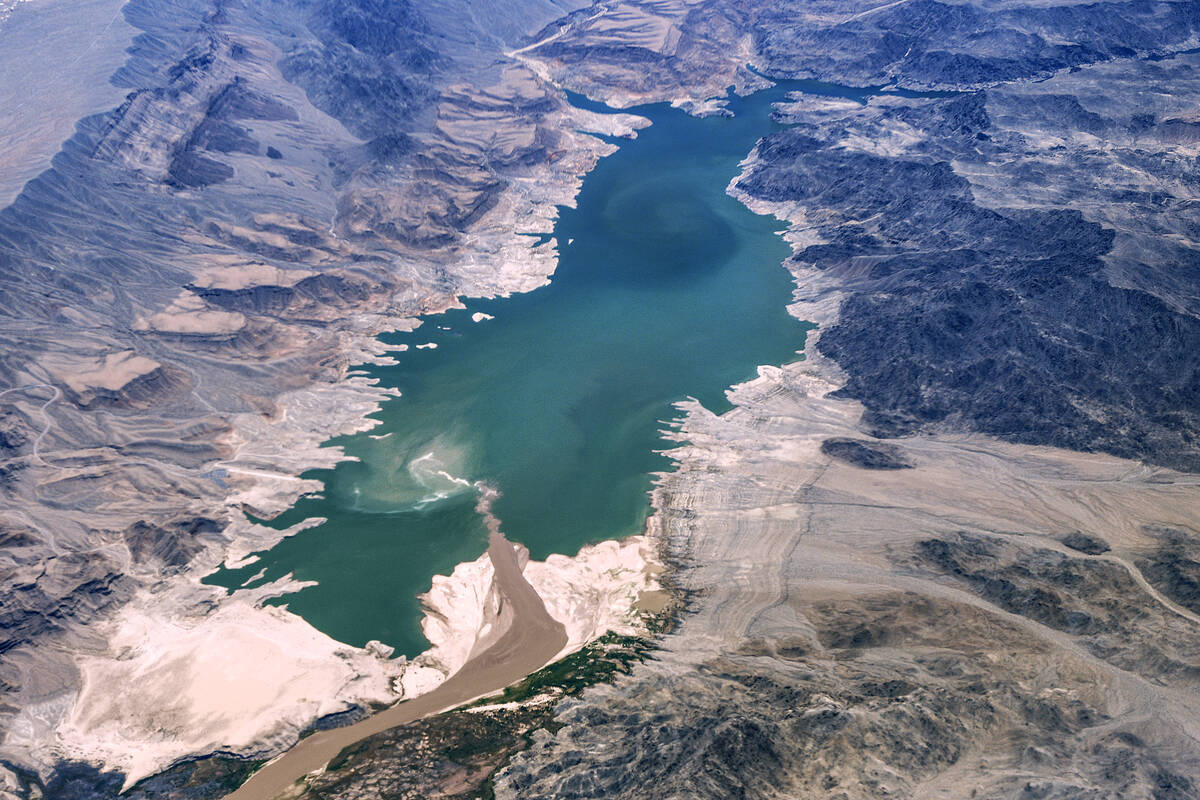
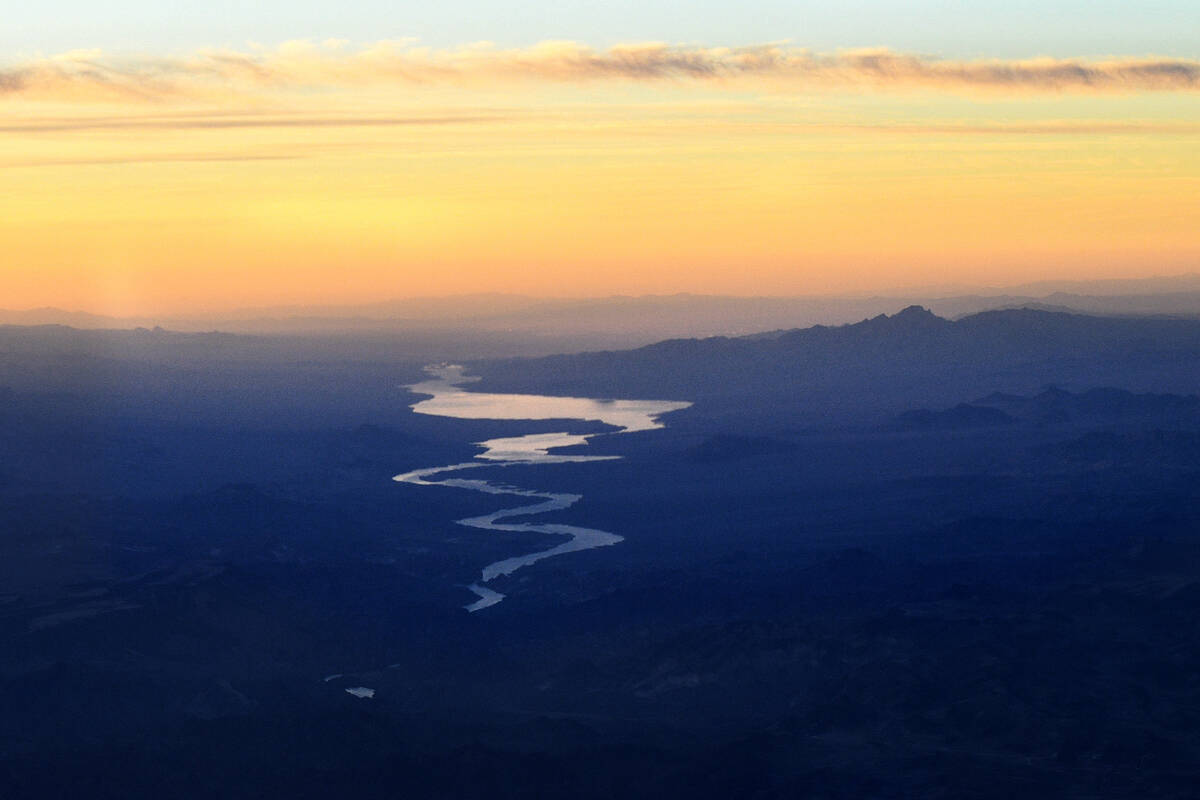






The states along the Colorado River are proving the truth of the famous adage often attributed to Mark Twain: “Whiskey is for drinking; water is for fighting over.”
At the end of the year, the current agreement governing water in the Colorado River will end. The agreement includes seven states. The four Upper Basin states are Colorado, New Mexico, Utah and Wyoming. The three Lower Basin states are Nevada, Arizona and California. In 1922, the seven states agreed to the Colorado River Compact.
The agreement said that its purposes included “to provide for the equitable division and apportionment of the use of the waters of the Colorado River System.” That’s an important principle — in times of plenty and scarcity. When there isn’t enough, both groups must share in needed reductions.
Unfortunately, there hasn’t been enough water for decades. The agreement overallocated the river from the start, distributing more water than is normally available. The past quarter century has been exceptionally dry, and there isn’t enough water to satisfy all of the interests on the river.
Stopgap measures have included paying California farmers to leave their fields fallow. Contrary to what some think, most of the Colorado River’s water isn’t used for housing or urban development. Around 70 percent of the river’s water goes toward irrigating millions of acres of farmland.
But stopgap measures won’t fix a systemic problem. Every state that depends on the Colorado River needs to follow Nevada’s example and use less water. The Southern Nevada Water Authority reports that the region’s per-capita water usage dropped by 55 percent between 2002 and 2024. Colorado River water consumption here is down 36 percent.
Unfortunately, Upper Basin states have been dragging their feet in agreeing to reductions.
“We find it alarming that the Upper Basin states have repeatedly refused to implement any volume of binding, verifiable water supply reductions,” Arizona Gov. Katie Hobbs and several top Arizona lawmakers wrote to Secretary of the Interior Doug Burgum last month. “This extreme negotiating posture — four of the seven Basin States refusing to participate in any sharing of water shortages — has led to a fundamental impasse that is preventing the successful development of a 7-state consensus plan for management of the Colorado River.”
In a letter to Mr. Burgum last week, Gov. Joe Lombardo put it more gently.“A seven-state agreement remains the preferred path,” he wrote.
It certainly is. But obtaining that may require a not-so-subtle nudge from Mr. Burgum to ensure the Upper Basin states are truly willing to negotiate.