



Lawsuit targets Taser maker
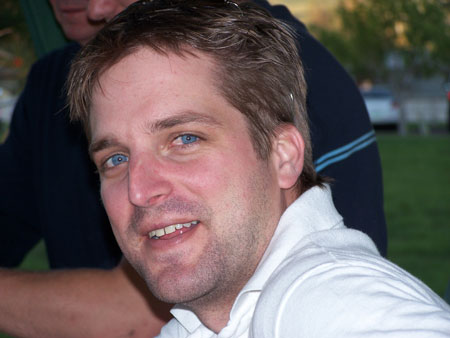


Taser International was named in a lawsuit filed Wednesday in federal court by the family of Dr. Ryan Rich, who died two years ago after a Nevada Highway Patrol trooper used the device to keep the combative, incoherent man from walking into traffic on Interstate 15 in Las Vegas.
Rich, 33, died Jan. 4, 2008. The truck he was driving had collided with two vehicles before it stopped in the freeway median near the Las Vegas Beltway. He recently had been diagnosed with a seizure disorder. Autopsy results showed Rich had seizure medication in his system, but no other substances were detected.
The jury in a coroner's inquest held Rich's cardiac-related death was due to a seizure disorder and was "excusable." But the Scottsdale, Ariz.-based company continues to stir controversy and attract lawsuits.
The lawsuit, filed by Las Vegas attorney John Snow and two California attorneys on behalf of the family, alleges Taser International misstates the dangers posed by the weapon and "tricked" Nevada Highway Patrol trooper Loren Lazoff into thinking the device was safe. It was the first time Lazoff used his Taser in four years with Nevada Highway Patrol.
Lazoff deployed the Taser five times, he testified at the inquest held in April 2008, saying Rich was in "fight mode" and appeared to be impaired. A driver who assisted Lazoff on the freeway that day testified Rich appeared "dazed." The driver also thought the doctor was impaired.
The lawsuit does not attack the jury's findings and does not name Lazoff or the Nevada Highway Patrol as defendants. It accuses Taser International of negligence, product liability and intentional misrepresentation.
Amnesty International and the American Civil Liberties Union want law enforcement to cease using Tasers until safety studies can be completed. The two groups say more than 350 Americans have died after being shot with a Taser, but that doesn't mean the Taser was the cause of death.
California and Florida lead the nation in deaths in which a Taser was discharged into the body, according to Amnesty International, and Phoenix and Las Vegas are tops for cities.
Five people have died in Las Vegas since 2001 after being shot by the device, although the cause of death generally was attributed to other or additional reasons.
The Las Vegas Metropolitan Police Department was named in a $20 million lawsuit in 2005, when a boy died after being shot with the device.
Taser International has taken aggressive action against doctors who attribute a cause of death to the devices, which send 50,000 volts into the body, usually in five-second bursts. The shock is extremely painful and incapacitates individuals.
Police officers in five states also have sued the company, alleging they were seriously injured during training exercises, according to a 2005 Canadian Police Research Institute report.
Also on Wednesday, the 9th Circuit Court of Appeals issued a decision that persons injured by the device can file lawsuits against police officers and police departments, finding their abuse meets the definition of excessive force.
The family seeks unspecified damages and accuses Taser International of deliberately misleading the general public and law enforcement regarding their safety.
The lawsuit claims Taser International falsely claims multiple discharges are no more harmful than a single discharge, and that the 26-watt jolt effects the nervous system, but "can not" effect the heart even when the chest is targeted.
Furthermore, the lawsuit alleges Taser International ignored medical or scientific research regarding the dangers of Tasers, and instead "devoted large sums of money to an intentional and false marketing campaign designed to mislead and deceive."
Attempts to contact Taser International on Thursday, as well as Snow and Rich's family were unsuccessful.
Contact Doug McMurdo at dmcmurdo@reviewjournal. com or 702-380-8135.


