In the seats

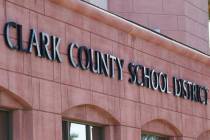
Friday was "count day" for the Clark County School District, the day student attendance sets the official enrollment of the country's fifth-largest school system. The figure, which determines state funding and staffing at each campus, takes on broader significance this year because it might actually be smaller than last year's.
Yes, the entity long identified as the nation's fastest-growing school district might, for the first time in a quarter-century, very well contract.
Last year's official enrollment was 311,240. On Tuesday, 2,000 fewer students were in class, even though administrators expected closer to 314,000 kids to come to school. Friday's attendance will be announced Monday.
It's a sobering reflection of crushing job losses and economic woes in Southern Nevada. More importantly, it's a signal that school administrators, School Board trustees and state lawmakers will have to make all-new contingencies and priorities in funding public education amid declining tax collections.
An official enrollment decline wouldn't trigger an immediate wave of deep budget cuts this school year. If that occurs, the state would fund the school district at last year's enrollment. Additionally, the school district eliminated many positions this year and didn't fill others, staffing schools at 97 percent of what they would have during better times. No layoffs should be necessary, according to district officials, which is a good thing considering the statewide jobless rate jumped to a staggering 13.2 percent last month.
However, at a minimum, the school district needs to table the idea of spending in anticipation of future growth -- especially in the area of campus construction. Where the school district once built about a dozen new schools each year, it now must focus on maximizing the use of existing facilities and managing maintenance budgets.
School district officials estimate that they'll need between $200 million and $300 million per year just to maintain their buildings. That amounts to nearly $1 million per campus on the high side -- it seems awfully high.
And although construction costs have fallen dramatically -- some companies are bidding at their cost to try to survive the recession -- it makes no sense to launch another building campaign when the school district lacks the students and the operating funds to spread into new campuses. The School Board last year removed a $7 billion bond from the ballot; it should drop the idea of putting even a scaled-back issue before voters in 2010.
Finally, taxpayers must encourage state lawmakers and school districts to take more steps to control escalating personnel costs, the lion's share of the schools budget (see above editorial). The pay raises guaranteed to all licensed and unlicensed personnel are no longer sustainable. Salary increases must have a nexus to merit -- and what the battered private sector can afford.