Group recognizes care given diabetics
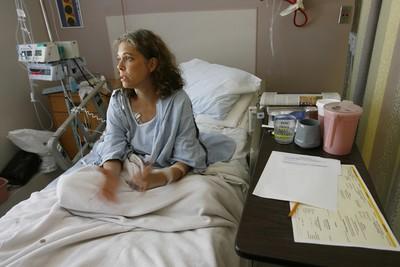


Having been a patient there a dozen times in the past 18 months, Julie Unger, a 42-year-old diabetic mother of three, long ago reached a conclusion about Desert Springs Hospital Medical Center.
"This is the best hospital for diabetes care,'' she said earlier this month as she sat in a bed at the hospital.
Unger's assertion got some independent validation this month when a national accreditation group awarded its first- ever certificate of distinction to the hospital for the medical care it provides hospitalized diabetes patients.
The hospital, on Flamingo Road near Eastern Avenue, is the first in the nation to receive the Joint Commission's Advanced Inpatient Diabetes Care Certification, said Elizabeth Zhani, a spokeswoman for the organization, which accredits all U.S. medical care facilities.
The commission's diabetes certification program started last year. The organization worked closely with the American Diabetes Association to establish the standards for the recognition, which will be granted annually, health officials say.
Desert Springs averages about 4,000 diabetic patient visits each year, said Joyce Malaskovitz, a Desert Springs registered nurse.
The new certification should give diabetics confidence they will receive the care they need, Malaskovitz said.
One of the keys is monitoring and controlling blood sugar levels. Maintaining a patient's ideal blood-sugar level in a hospital can be more difficult than it sounds. The patient could be fighting an infection or may be stressed, for example, Malaskovitz said.
"The other challenges during hospitalization are medications,'' she said. "Some raise a patient's blood sugar and can cause infections. We have to know this. Our entire hospital staff has to know this. That's the reason this certification means so much to us.
"It's hospital-wide.''
To qualify for the certification, Desert Springs' staff, including housekeepers, admitting clerks, nurses and technicians, had to be trained in the basics of diabetes and symptoms related to low blood-sugar levels, which can be similar to those of intoxication.
Diabetes is a disorder in which the body is unable to adequately regulate its blood-glucose levels.
The disease can lead to medical problems affecting the eyes, kidneys, nerves and circulatory system. Diabetics also face an increased risk of heart disease and certain cancers.
At Desert Springs, Malaskovitz said, "a typical patient may come in the hospital with chest pain, end up with open-heart surgery because of blockage and put on a Glucommander to check their blood-sugar levels.''
A Glucommander is a computer-based system for controlling blood glucose by directing an intravenous infusion of insulin in response to the measurement of glucose at the patient's bedside.
Because diet and lifestyle choices affect the health of diabetics more dramatically than they affect non-diabetics, the staff at the hospital also counsels patients.
Whenever smokers are admitted to the hospital, for example, the hospital stay is used as "an opportunity for us to talk about the impact of smoking and to encourage them to stop,'' Malaskovitz said.
Unger, who takes insulin four times a day, said the personal approach at the hospital has worked well for her.
"Everybody here knows me,'' she said.
"They know what they are doing."