IRS warns taxpayers of common scams during tax season
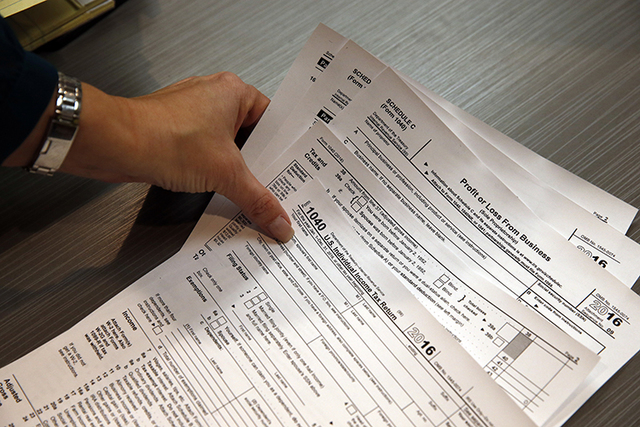





The Internal Revenue Service has issued a warning to the public about common scams to look out for this tax season.
Telephone scams and email phishing are the two most common types of tax scams, the IRS said in a news release. Beware of anyone calling or emailing and claiming to represent the IRS, the agency advises.
TELEPHONE SCAMS
Callers may claim to be IRS employees on the phone and may even provide names and fake IRS identification numbers, the IRS said. These scammers will claim that money is owed to the IRS and must be paid through a prepaid debit card or wire transfer. When the victim of the scam declines, the caller will make threats of imprisonment, fines, deportation or suspension of licenses.
The IRS said it will never call and demand immediate payment, nor will it request any specific type of payment method, such as a wire transfer. The IRS mails a bill to those owing money and will not accept credit or debit card numbers by phone.
The service also would not deny taxpayers the opportunity to question or appeal the amount owed. Threats to the taxpayer involving police or other law enforcement are not part of IRS protocol.
EMAIL SCAMS
Con artists also use email to employ “phishing” scams to gain personal information from taxpayers, enabling identity theft, the IRS said.
Phishing emails may look legitimate and lead to fake IRS sites where visitors can fill in their emails and passwords. A phishing email may instruct the reader to update his or her “IRS e-file immediately.”
The IRS does not use email to initiate contact with taxpayers, the IRS said.
Another form of phishing includes scam artists posting the Taxpayer Advocacy Panel, the IRS said. These emails may mention a tax refund and include links leading to fake websites.
TAX PREPARER SCAMS
Some may scam unsuspecting taxpayers by posing as a tax preparer. The IRS advises that taxpayers research reputable businesses and tax preparers before handing over personal information.
The IRS also recommends that taxpayers know their refund beforehand, so they can catch if a tax preparer has skimmed off the top of the refund.
For more information about selecting a tax preparer, readers can visit https://www.irs.gov/tax-professionals/choosing-a-tax-professional.
Complaints can also be filed with the Federal Trade Commission at www.FTC.gov.
Contact Rachel Hershkovitz at rhershkovitz@reviewjournal.com or 702-383-0381. Follow @rzhershkovitz on Twitter.