Nevada state parks have money-generating ideas in store
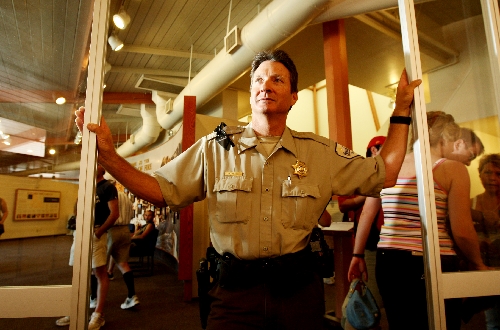




OVERTON -- Nevada's budget crunch is forcing state parks to look within for more money, with plans in the works for new stores, vending machines and more elaborate campsites that could replace funding that used to come from the state general fund.
A store in Valley of Fire State Park could be in place by the end of the year with new outlets to follow at other locations. There also is talk of adding cabins or yurts similar to one at the Cave Lake State Park campground to campsites at other parks.
All are efforts that require park employees to think like entrepreneurs.
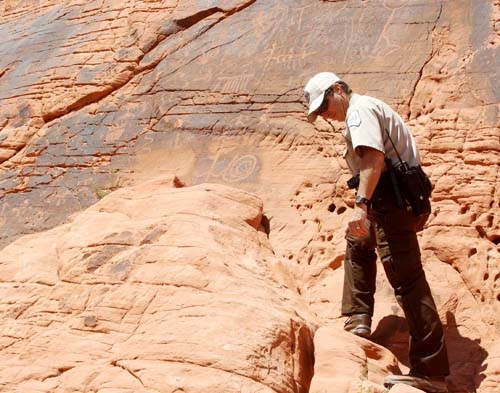
"It is basically a sign of the times," Valley of Fire State Park Superintendent Jim Hammons said. "You have to think this way if you want to survive."
Hammons is leading an effort to reopen the shuttered retail store he hopes can offset falling general fund support for the park system, which by 2013 is expected to be $3.3 million, down from $8.5 million in 2008.
Nevada's parks aren't unique. Across the nation, state park systems are scrambling to replace lost funds or closing parks altogether. Neighboring states California, Arizona and Idaho have either closed parks or have threatened to close them.
In one of several moves to save money in Nevada, the state will return management duties of Dangberg Ranch in Minden to Douglas County.
Officials have studied closing or eliminating the park system, but the idea lost steam because it would cost $2.2 million up front and $1.6 million annually to secure the properties.
Their focus has shifted to raising money from visitors and corporate sponsors.
To do that, park workers statewide need to think of the approximately 3 million annual state parks visitors -- about the same number who stay at Las Vegas' Aria, MGM Grand, Bellagio and Caesars Palace resorts combined -- as more than people to protect and educate.
They also need to think about their needs as consumers looking to drop a few bucks.
Senate Bill 442, signed into law June 15 by Gov. Brian Sandoval, created an enterprise fund to collect money from state park concessions and expanded what parks can sell to include food, drinks, ice, sundries and anything that can be "appropriately made available to visitors."
Other states have made similar efforts, but so far capitalism hasn't been enough to prevent shutdowns or drastic cutbacks on services.
"There are some states trying. I can't really say there are success stories yet," said Philip McNelly, executive director of the National Association of State Park Directors. "At a time when folks don't have a lot of money to spend, it is a terrible time to be closing some of the close-to-home opportunities to relieve that stress."
Nevada park users are skeptical as well, saying state parks need to upgrade core offerings such as trails, signage and access if they want to attract more visitors.
"At the end of the day, I think the state parks are definitely worthwhile and important, but is building yurts and putting in concessions going to make that much of a difference?" said Paul Sacksteder, 32, of Las Vegas, who has visited Valley of Fire, Cave Lake and several other Nevada parks. "How many bags of chips do you have to sell to make that worthwhile?"
State Sen. Sheila Leslie, D-Reno, a frequent state park visitor, reluctantly supported SB442 but said she also is skeptical that visitor spending and sponsorships can replace steady general fund support.
"I don't know why we try so hard to come up with gimmicks instead of just funding the state parks system," Leslie said.
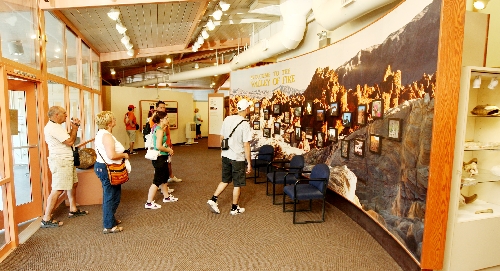
If the free market gambit is going to work in Nevada, it will start at Valley of Fire, the second-most visited state park and a destination for thousands of free-spending foreign tourists making day trips from Las Vegas.
On a recent weekday morning, Hammons could only offer an exasperated shrug as a large group of Italian-speaking visitors filed past the park's shuttered souvenir shop.
"We get complaints about it all the time," Hammons said of the empty store. "People expect to get souvenirs. They take them home for their kids. They use them for memories."
Hammons has good reason to believe the store can succeed. Under previous management by the nonprofit Nevada State Parks Cooperative Association, the Valley of Fire store made more than $400,000 in revenue, with as much as half of that in profit.
The parks division didn't produce hard numbers, however, saying the cooperative association didn't keep thorough books, a problem that contributed to the end of the relationship.
"For various reasons that just didn't work out for us any longer," state parks Director David Morrow said. "We had some accounting issues. We thought they could do a better job enhancing their sales."
Morrow said despite differences over bookkeeping, the park system "got all the money that was owed to us," which was more than $200,000, in addition to inventory and equipment.
Helen Mortenson, president of the nonprofit, said little of the breakup other than it was amicable.
"It was cordial on both sides," Mortenson said. "The state parks thought they could efficiently run it better themselves."
Mortenson said the group managed stores at Valley of Fire, Old Mormon Fort, Spring Mountain Ranch and Lake Tahoe state parks and "had distance problems" handling the work.
Hammons said the group's inventory was focused on educational items, a result of the association's designation as an educational nonprofit.
Under the new system, the state plans to open a new store at Valley of Fire by the end of the year.
It will start with items that sold successfully under previous management but will experiment with other items such as sunscreen, camping supplies and snacks in an effort to increase revenue.
The plan is to hire a manager with retail experience to handle inventory and ordering at Valley of Fire and other stores as they open, Hammons said.
"It will have to be more like a store, see what sells and what doesn't and put out stuff that does and take out stuff that doesn't," he said.
The parks division has plans beyond retail stores.
Morrow said he already has scoped out vending machines that sell ice and is considering cabins at the remote Berlin-Ichthyosaur State Park, a popular destination for out-of-state visitors coming to see the ichthyosaur fossil that is many miles from the closest lodging.
"It doesn't generate big revenue," Morrow said of the park near tiny Gabbs. "We could enhance the sales there."
But even with more economic development, it's unlikely the state can make all 25 parks independent.
With 462,120 visitors in 2010, Valley of Fire had enough traffic to generate about $1.28 per visitor more than it cost, thanks in large part to the 2010 entrance fee increase.
More money from revenue-positive parks like Valley of Fire could help smaller parks like Berlin-Ichthyosaur, which drew just 7,126 visitors in 2010, make ends meet.
Eventually, Morrow said, the system could whittle its general fund subsidy down to about the cost of maintaining the parks if they closed.
That level of independence would make it hard for lawmakers to justify more cuts because they wouldn't result in any savings, Morrow said.
If such a day arrives, however, it would mean that at best Nevada parks would be operating with as much or less money than they have today, and there would be little prospect for expanding or upgrading the system.
"When it is all said and done, we will probably still have less overall money, more of which will be generated with fees or concessions," Morrow said. "There are always going to be some parks that are just not going to generate a lot of money."
Contact reporter Benjamin Spillman at
bspillman@reviewjournal.com or 702-477-3861.