



State legislators differ on restoring primary


CARSON CITY -- A key lawmaker says she'll sponsor a bill for a presidential primary in Nevada, given the confusion in Saturday's caucuses won by Democrat Hillary Clinton and Republican Mitt Romney. But she faces opposition from another top legislator.
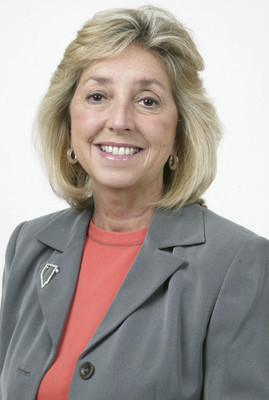
"This notion of neighbors getting together with neighbors to talk about politics, that's just not Nevada," Senate Minority Leader Dina Titus, D-Las Vegas, said in outlining her plan to sponsor a bill in the 2009 legislative session to revive a presidential primary.
"What I found in my caucus is that the meeting didn't lead to collaboration, cooperation and a good discussion. It led to hostility," Titus added. "It's too complicated. If you had to work, or if you were Jewish it was the Sabbath, or a senior, you couldn't go."
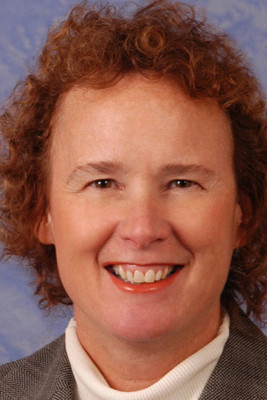
Assemblywoman Sheila Leslie, D-Reno, the majority whip in the Assembly, said she would oppose a bill to return to a primary.
"I think it's a good thing to bring back political discourse to the neighborhoods," said Leslie. "If we want a healthy, thriving community, we should be able to discuss politics rationally."
Leslie said a drawback to a presidential primary is that it's state taxpayers who foot the bill rather than the political parties. Sue Lowden, chairwoman of the state Republican Party, agreed.
Lowden said she has received more compliments than complaints about the GOP caucuses, adding, "Those who were there loved it. People loved talking to their neighbors about Nevada issues. I saw people walking out the door exchanging phone numbers."
Though there are differing views on the future of caucuses in Nevada, both political parties are celebrating what they call the resounding success of Saturday's turnout that went far beyond initial expectations.
About 116,000 Democrats, 28 percent of all Nevada's registered Democrats, showed up at 520 precincts around the state. The previous record for a Democratic caucus was when nearly 9,000 voters turned out for the 2004 presidential race.
More than 44,000 Republicans, 11 percent of registered GOP voters, were on hand at 113 precincts. The most the Nevada GOP had drawn to a presidential caucus before was 2,000 to 3,000 voters, according to party officials.
Jean Hessberg, The Democrats' caucus director, said Tuesday that the first early caucus for the state's Democrats drew nearly as many people as Iowa Democrats had in their 2004 caucus -- and Iowa has been an early caucus state for 30 years. This year, about 239,000 Democrats participated in the Iowa caucuses that preceded Nevada's.
Being one of the earliest presidential nominating contests in the nation, Nevada attracted historically unrivaled attention from presidential candidates and the national media.
Although Nevada has had caucuses since the state Legislature abolished the presidential primary in 1981, this was the first time either party had conducted one on such a large scale. The growing pains were apparent Saturday, with long lines, inconsistent rules, and other organizational flaws.
Afterward, the campaigns of Clinton and Barack Obama said they would complain to the Democratic Party of what they termed the other side's strong-arm tactics.
But experts said Nevadans have weathered what will likely be their most difficult caucus, and next time should be easier.
"There is a tremendous learning curve," said Peverill Squire, a political scientist at the University of Missouri and an expert on the Iowa caucus. "Nevada paid most of that startup cost with this first time. It will probably go smoother."


