Voter picture ID initiative in the works

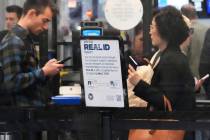
Nevada voters would be required to produce an official picture identification to cast ballots in state elections under a proposal by a candidate for secretary of state.
Rob Lauer, a Republican, is crafting a ballot initiative he calls the SAFE Act, an acronym for Secure and Fair Elections Act.
Lauer said the petition is designed to reduce the likelihood of voter fraud.
He plans to file paperwork to start the process with the office of Secretary of State Ross Miller today . It would require 97,002 signatures to get on the ballot. If voters approve, it would go to the Legislature. If approved there, it could go into effect in 2012.
Opponents will have 15 days to file challenges to Lauer's proposal.
The petition, Lauer said, wouldn't disenfranchise voters in poor communities or elsewhere who are more likely to go without official government identification cards.
"You need to show an ID when you buy a beer or use a credit card; it is just a normal part of business in this state or in this country," Lauer said.
Launce Rake, a spokesman for the Progressive Leadership Alliance of Nevada, said such a proposal would not improve elections and could dissuade senior citizens and the handicapped, people who are more likely to be without driver's licenses, from going to the polls.
"If it tends to make more red tape for people to vote, fewer people would vote," Rake said.
Lauer said that to comply with constitutional requirements, the petition details how people who cannot afford an identification can acquire one in time to make their vote count. Someone without an identification could receive a provisional ballot, then return within 15 days with an identification and have his or her vote count. The provisional ballot would allow the person to get an identification from the state, Lauer said.
"They can go get a state ID for free with a provisional ballot," he said. "If they have to pay for an ID, it is considered a poll tax, and that is unconstitutional."
Lauer said that his proposal would reduce the likelihood of fraud and cited allegations against former leaders of the Association of Community Organizations, ACORN, during the 2008 election cycle.
ACORN leaders were accused of offering illegal incentives to workers conducting voter registration drives, resulting in phony registration cards being filed with elections officials.
Rake said the allegations were serious, but the registration cards were caught by officials and thrown out, suggesting the system worked.
A proposal such as Lauer's would only make elections more bureaucratic, Rake said.
"It is a solution in search of a problem," he said.
Contact reporter Benjamin Spillman at bspillman@reviewjournal.com or 702-477-3861.