



COMMENTARY: Minnesota’s loss should be Nevada’s warning


Minnesota’s recent fraud scandals have captured the nation’s attention, but they did not occur in a vacuum. In fact, this wasteful spending of taxpayer dollars is a cautionary tale against distributing public funds without independent oversight.
As the public follows the revelations of one wasteful spending scheme after another, the real focus should remain on the policy failures that allow these fraudulent schemes to succeed.
Most audits of state and local governments focus only on whether transactions were classified correctly according to accounting standards — not whether the transactions were wasteful or fraudulent. Few local governments ever undergo a performance audit that would evaluate these more fundamental questions.
In Nevada, the Legislative Counsel Bureau’s Audit Division and the governor’s Division of Internal Audits complete a small number of performance audits of state agencies each year. However, these entities do not have broad authority to conduct independent forensic audits of Nevada’s many local governments.
To fill in this gap, many states have established an Office of Inspector General. The office functions as an independent entity, beyond the direct influence of the governor or legislative leadership, focused on identifying and preventing wasteful spending, fraud and misconduct. Thirty-five states have these offices that put these principles to test.
Minnesota, after years of introduction of similar legislation, came remarkably close to creating an OIG earlier in 2025. The bill passed the Senate chamber with a 60-7 vote, yet died in the House. Legislators cited the looming budget deficit as a justification for opposing the measure, even though an OIG works to ensure existing tax dollars are spent correctly. Now, the whole country is watching scandals unfold involving the misappropriation of funds that could have been caught by an OIG.
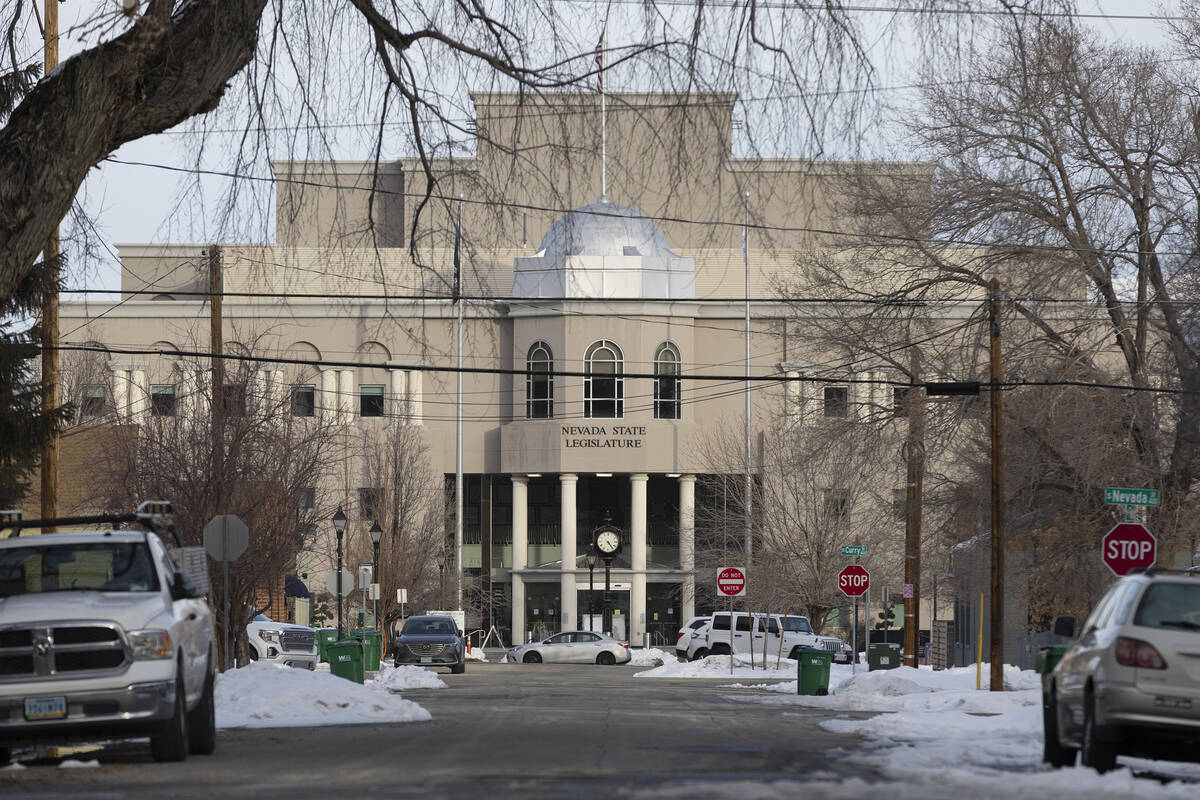
Like in the North Star State, Nevada legislators faced a similar proposal for an inspector general during the 83rd session and made the same mistake. Proposed by state Controller Andy Matthews, Assembly Bill 33 would have created the OIG to complement, not replace, the existing auditing bodies. The bill was heard by the Assembly Committee on Government Affairs; however, the committee declined to even take a vote that would advance the bill to the Assembly Floor.
AB33 was not Nevada’s first chance to create an OIG. Some version of this proposal has been presented to the Legislature in every session since 2015 — a total of six times. Minnesota is showing the nation what happens when officials fail to account for the proper use of tax dollars. Nevada could be next.
Treating oversight as a cost rather than an investment is a mistake that Nevada’s lawmakers keep making. Accountability and transparency should be the first use of tax dollars — not the last. These reforms ensure that all other tax dollars go toward their intended purpose.
In many states, independent auditors have identified wasteful spending that far outweighed their operational costs — generating an overall savings in tax dollars. The Georgia inspector general, for instance, identified $17.4 million in wasteful spending with an office budget of $1.8 million in fiscal 2025. The Pennsylvania inspector general saved $5 of taxpayer money for every $1 it spent in fiscal 2023. These are outcomes of enforceable accountability.
As Minnesota navigates the cost of inaction and lack of oversight, Nevada should learn. The next big scandal should not be the reason lawmakers finally act. Fraud thrives in silence, and by killing key accountability measures that other states view as best practices, our elected officials are complicit.
Anahit Baghshetsyan is a policy analyst with Nevada Policy, a Las Vegas think tank.


