



EDITORIAL: A more cautious approach to revenue projections
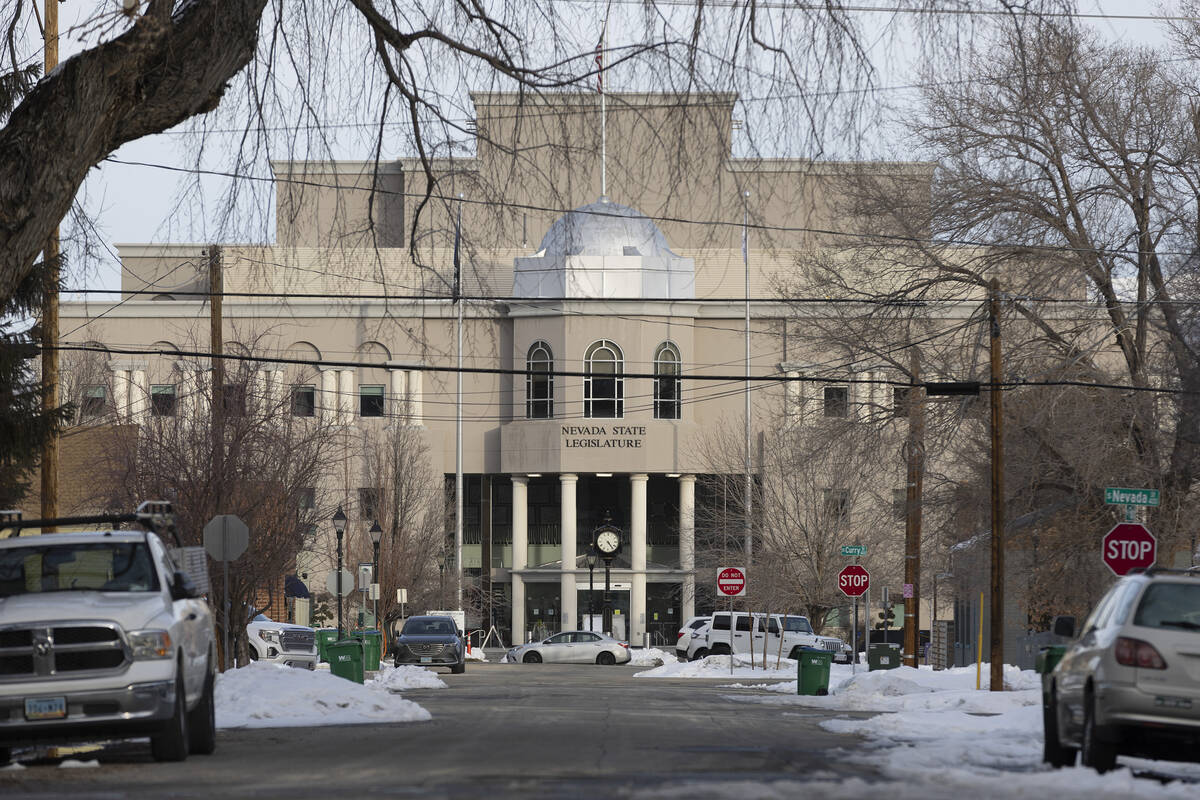


Back in 1993, Nevada lawmakers created the Economic Forum to mitigate disputes over state spending.
The five-member panel — made of up fiscal “experts” — is charged with making binding revenue projections for the state’s two-year budget cycles.
The move was an effort to insulate state lawmakers from the consequences of indulging their worst impulses by juicing revenue forecasts for political purposes. But the system is hardly infallible. Over the past three decades, the state has still endured plenty of budget distress wrought by overly optimistic tax projections.
In December 2024, for instance, the Economic Forum predicted that the state would generate $12.4 billion over the 2025-27 biennium. But rather than this 3.4 percent increase from the previous budget cycle, state tax collections in fact dropped by 3 percent over the early part of this year. The forum was forced in May to adjust its projections downward by $191 million.
This triggered much hand-wringing in Carson City. But the move highlighted the value of fiscal caution when using a crystal ball to make tax revenue guesses. And that approach is now paying dividends.
Last week, forum members met to re-evaluate the revenue numbers that provided the basis for the state’s current spending blueprint. The more guarded method has proved the proper course. While gaming tax collections are up nearly 9 percent over the first months of the fiscal year, sales taxes are down slightly. These two taxes make up nearly two-thirds of Nevada’s budget. In addition, collections from the modified business tax and property transfer tax are each down more than 4 percent.
“We were purposefully being conservative” when making forecasts earlier in the year, forum member Marvin Leavitt told the Nevada Current, “and it looks like that’s fairly close to what’s actually been happening.”
State fiscal analyst Michael Nakamoto echoed the sentiment, the Current reported. “The forecast right now is holding,” he said. “I think that all things considered, it is doing quite well right now.”
Based on this assessment, panel members left their adjusted May projections untouched. It was the correct move. Warning signs remain, particularly for the gaming tax. While gaming revenue is up, tourism traffic remains below expectations, indicating a potential trouble spot ahead.
Political pressure exists, even on independent boards. Forum members deserve credit for embracing a more pragmatic and cautious approach to forecasting that will help lawmakers avoid budget shortfalls often triggered by overly rosy revenue estimates.


