



EDITORIAL: High court election case will have ramifications for Nevada


The U.S. Supreme Court this week agreed to hear a Mississippi case that could change for the better the way Nevada runs its elections.
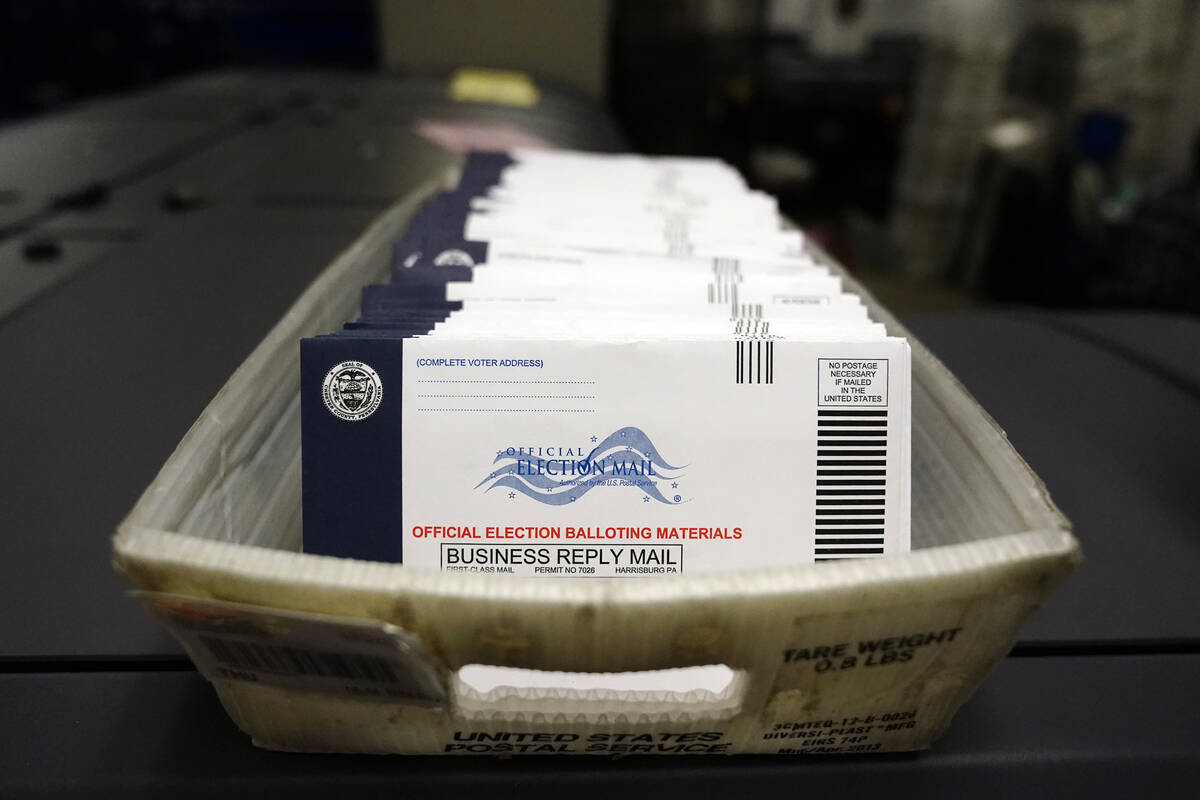
At issue are mail-in ballots, which became popular during the pandemic as a means of allowing voters to cast a ballot without risking exposure to COVID at the polls. Seventeen states, including Nevada and Mississippi, also allow all mail ballots to be counted that are postmarked by Election Day but received up to four days later. Nevada, which now sends a mail ballot to every registered voter whether they requested one or not, even permits election officials to tally unpostmarked ballots if they arrive by the Friday after the election.
The Republican National Committee challenged the Mississippi law, and, last November, the 5th U.S. Circuit Court of Appeals ruled in its favor.
While the Constitution grants the states wide leeway to regulate the “times, places and manner” of elections, a unanimous three-judge panel noted, it also empowers Congress to override or supplant those regulations. “Congress statutorily designated a singular ‘day for the election’ of members of Congress and the appointment of presidential electors,” the decision found. “Text, precedent and historical practice confirm this ‘day for the election’ is the day by which ballots must be both cast by voters and received by state officials.”
The ruling was a victory for common sense and the letter of the law. Tallying late ballots leads to reporting delays and contributes to conspiracy theories, particularly when they swing a result one way or the other. This undermines confidence in the electoral process.
Several states have addressed this issue by demanding that mail voters ensure their ballots are received on or before Election Day in order to count. Nevada Democrats have resisted such as reform. But deadlines are an integral part of any election. No mail voter is disenfranchised by such a requirement, which is akin to the insistence that those who prefer to go to the polls may cast ballots only on Election Day or during an early voting period.
About 30 percent of U.S. voters used mail ballots during the 2024 presidential election, according to USA Today. Their popularity and convenience ensure such policies are here to stay, although Nevada lawmakers should rethink universal mail ballots, which create obvious chain-of-custody issues.
Allowances can be made for overseas ballots from U.S. troops or other citizens who are out of the country. But the Supreme Court should uphold the appeals court decision and impose a reasonable responsibility on domestic mail voters to ensure their ballots reach election officials by Election Day.


