



7 tips for choosing the right pair of hearing aids

(BPT) - The decision to purchase hearing aids is an important one and should be made carefully. You will need to be tested by a hearing care professional to determine the type and amount of hearing loss you have. A good pair of hearing aids should last at least 3-6 years, so it's important to choose a pair that suits your hearing needs and other preferences. Learn as much as you can about hearing aids and discuss the points below with your hearing care professional to ensure the devices you choose will serve you well now and for years to come.
Do you need extra amplification?
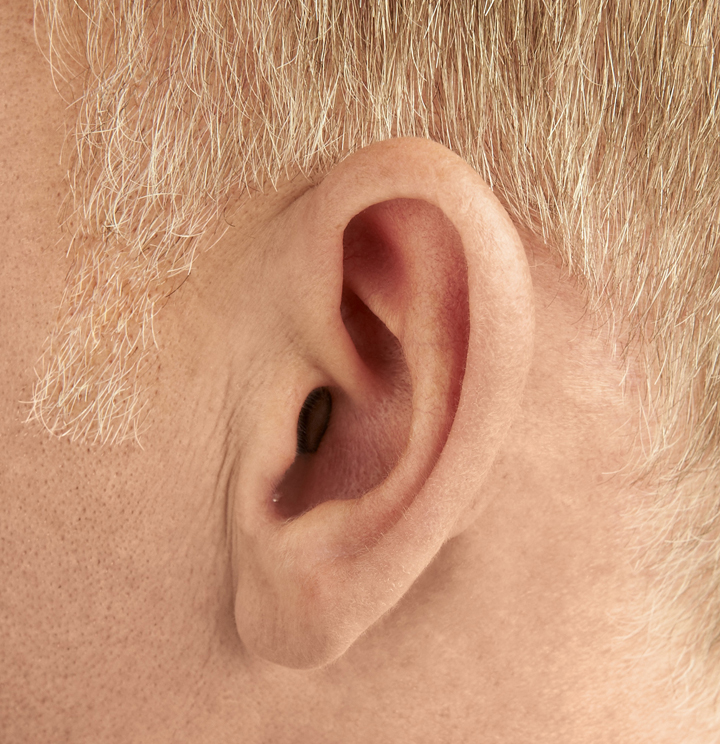
The more severe your hearing loss is, the greater the amplification required. Larger components make for a bigger hearing aid. This is the case with behind-the-ear (BTE) and custom in-the-ear (ITE) models. Other elements, such as earmolds, may be required to assist in boosting gain.
Are your ears difficult to fit?

Some people have a very narrow or crooked ear canal, or require higher amplification. As a result, they may not be candidates for ITEs or receiver-in-canal (RIC) models. In these cases, BTEs will likely be the best option. With BTEs the receiver is in the housing and while it may be a bit larger, it is often the most comfortable option.
Do you have tinnitus?
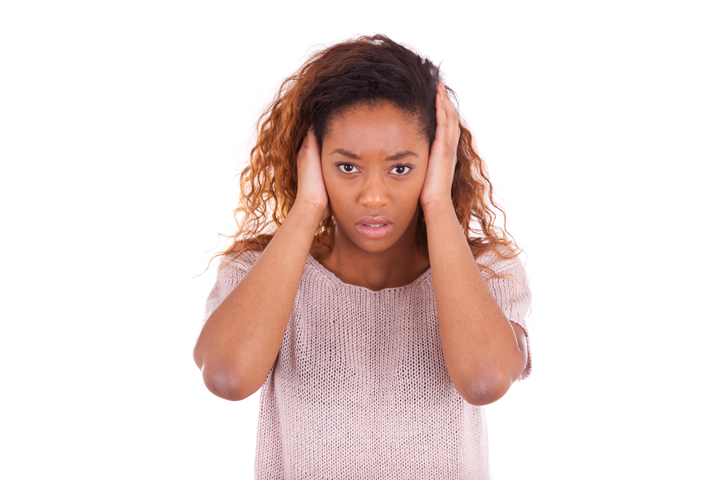
Approximately 50 million people in the United States have tinnitus of varying severity and close to 90 percent also have some degree of hearing loss. Several modern hearing aid models are capable of emitting therapeutic sounds to combat tinnitus, such as ocean weaves or white noise.
Is your priority discretion or comfort - or both?
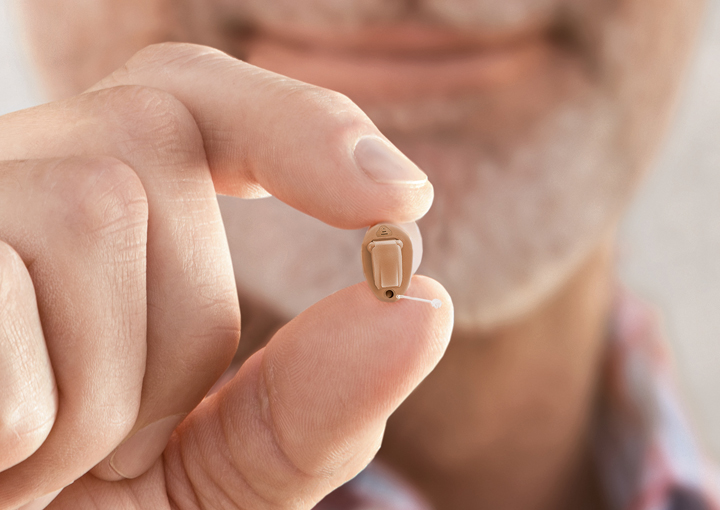
ITEs offer the utmost discretion, are available in completely-in-the-canal (CIC) and invisible-in-the-canal (IIC) options and are custom-made to fit your ears’ exact measurements. Downsides include the “occlusion effect”— when your ears feel plugged up —although advanced vent technology relieves this. Alternately, a RIC is very small because the receiver sits in the ear canal, making it the best compromise between discretion and comfort.
Do you want to avoid having to "fiddle" with your hearing aids?
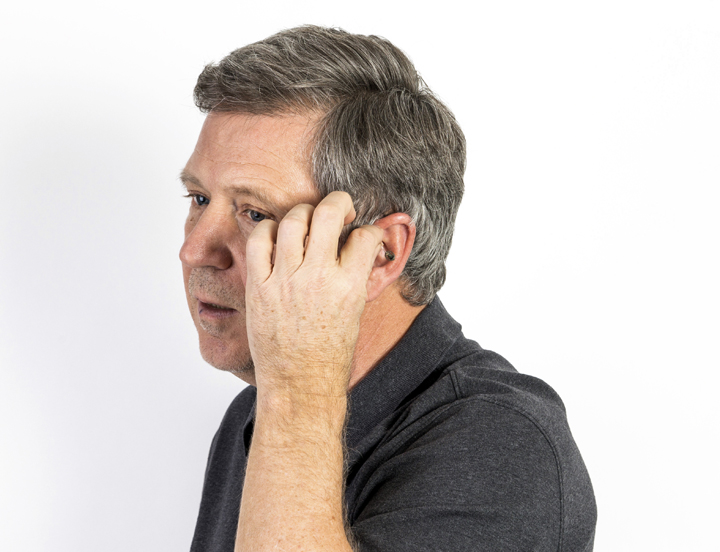
Instead of pushing a little button to change programs or adjust volume, choose hearing aids that automatically adjust to your environment. In noisy restaurants, for example, they can detect and focus on speech coming from a table companion over the surrounding chatter. And if you don’t like fussing with tiny batteries weekly, there’s the convenience of rechargeable hearing aids, which only require annual battery changes.
How active are you?

If you’re outdoorsy and active, you might want to choose a waterproof (IP-68) rated hearing aid that is also dust proof and shock proof. If you prefer less active outdoor activities like gardening, a water-resistant (IP-67) certified hearing aid still provides significant protection against perspiration, reducing the risk of damage to its delicate electronic components.
Are you a social butterfly or a homebody?

If you’re still working and/or socially active, you may want to consider hearing aids with a higher technology level. Advanced directional features enable better hearing in noisy environments. Even if you spend a lot of time indoors, you may want to consider high-tech hearing aids with Bluetooth-compatible accessories. They transform your hearing aids into high-quality wireless headsets for easy listening to all your electronic devices.