

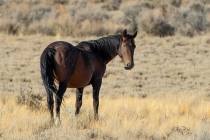
Nevada has the highest percentage of public lands of any state in the country. The majority of it is operated by the U.S. Bureau of Land Management.



Alan Halaly started covering water and environmental issues at the Las Vegas Review-Journal in January 2024. He hails from Florida, where he served as editor-in-chief of the University of Florida’s student-run newspaper, The Independent Florida Alligator. His work has been recognized by the Hearst Journalism Awards, the Online News Association and the Society of Environmental Journalists. Throughout his career, he has reported across many beats for the Miami Herald, NPR-affiliate WUFT, The Daily Beast and the Miami New Times.
Nevada has the highest percentage of public lands of any state in the country. The majority of it is operated by the U.S. Bureau of Land Management.
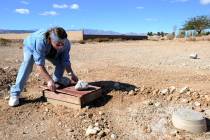
Farmers have shown overwhelming interest in getting paid to retire rights to pump groundwater in rural Nevada. Could a state-run program save the water below us?
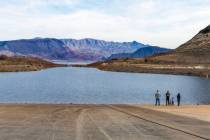
Nevada lawmakers signed onto a letter with more than 30 other members of Congress on Monday, calling for more federal funds to help address drought in the West, which is only expected to intensify.

A Bureau of Land Management proposal would place a Metropolitan Police Department substation on about 7 acres of public land in the northeast valley.

Starting Wednesday, Las Vegas Valley homeowners will be allowed to water their lawns up to six days a week, excluding Sundays.
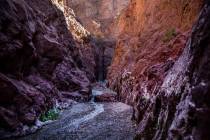
The National Park Service has increased its monitoring of the hot springs area along the Colorado River to ensure that it remains safe for swimming.

The Nevada Department of Wildlife is asking the public for help in identifying two suspects. If not found by rangers, the turkeys would have died in the wild.

This year’s so-called “cicada-geddon” spreading across the East Coast will not reach Nevada. But the Silver State has its own version of the critters.

Las Vegas’ water woes will one day become theirs. Here’s how some Gen Z leaders are diving into the problem headfirst.

The two-day event brought Nevada’s Indigenous people to the forefront, allowing Las Vegans to gain an appreciation for those who inhabited the land before them.
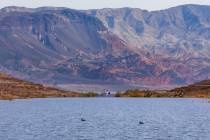
Multiple government bodies are attacking the problem of forever chemicals head on, especially with new regulations handed down from the Environmental Protection Agency.
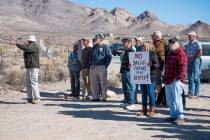
The public can sway what a federal agency does when deciding if a project should move forward, thanks to the National Environmental Policy Act.
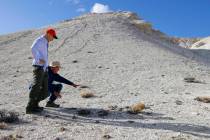
A document detailing the lithium project’s potential harm to air quality, water resources and more is now available for review.
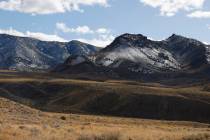
The draft environmental impact statement for protecting the endangered Tiehm’s buckwheat at the Rhyolite Ridge lithium mine won’t be publicly available until April 19.

Snowpack numbers for the Rocky Mountains are above the median, but whether that will translate to better water levels for Lake Mead and Nevada is unclear.