Bill would require hospitals to prepare, instruct those assisting patients





CARSON CITY — Linda Mason held two bottles of medications she couldn’t see. Dressed in a patient gown, she sat in a room after being told she was discharged from the hospital. Disabled and blind, she was told to have her caregiver read the instructions on how to administer the medications. Then she was left alone.
After a passer-by lent her a cellphone, Mason called her 89-year-old mother, who found a friend to bring her to the hospital to pick her up. It then took an hour for her mother to find someone to explain the discharge instructions.
Mason’s recent experience following a brief stay at a Reno hospital, relayed through written testimony, may be an extreme. But advocates say patients all too often are released from hospitals not understanding discharge orders, while those who take care of them at home are not provided basic instructions or training.
A bill making its way through the Nevada Legislature hopes to change that by helping prepare home caregivers for the tasks they will face and keeping them in the loop when decisions are about aftercare.
Senate Bill 177 allows a patient or guardian to designate a caregiver upon admission, and requires the hospital to keep that caregiver informed when a patient is being discharged or moved to another facility. It also asks hospitals to provide instruction for care needed at home and offer resources when questions arise.
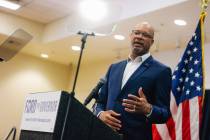
“These three common sense provisions will help caregivers provide better care, and in the process may help avoid a return trip to the hospital, or worse,” Barry Gold, with AARP Nevada, testified Thursday before the Senate Committee on Health and Human Services.
The bill has support from more than 40 organizations. There was no opposition.
Dr. Lisa Rosenberg, geriatrics director at Roseman University of Health Sciences in Las Vegas, said an at-home caregiver’s level of preparation often is all that stands between an older adult getting to stay home or returning to the hospital.
“On several levels, this much-needed legislation is a good investment in caring for older frail adults and their caregivers, reducing hospital re-admissions and associated costs, reducing morbidity, and saving lives,” Rosenberg said in written testimony.
AARP estimates more than 500,000 family caregivers in Nevada provide services worth $4 billion.
A recent survey of Nevadans age 45 and older found 70 percent of caregivers performed medical and nursing tasks — from giving medications and administering intravenous fluids to dressing wounds and operating specialized equipment.
“This is truly a universal issue,” Gold said. “Everyone in this room has been a caregiver, knows someone who is taking care of a family member, friend or neighbor — or will one day need a caregiver themselves.”
It’s not just an issue for the frail and elderly.
Rachel Blinn was a normal, 21-year-old college student when her life changed dramatically following a 2003 car crash.
Blinn suffered serious injuries, including brain trauma. With no family nearby, her roommate and best friend, April Shade, volunteered to be her care provider and keep her out of a long-term nursing facility.
Neither knew what they were in for at the time.
“Bathing, showering, feeding,” Blinn said. “Had she been given the basic skills, how to transfer someone who was in a wheelchair, it would have spared me several bumps and bruises and injuries.”
It also may have spared Shade from back trouble that still bothers her today, Blinn believes.
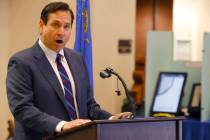
Nevada Hospital Association President Bill Welch said hospitals will work with supporters of the bill to clarify language and resolve conflicts with patient privacy laws.
“The hospitals certainly understand the need for caregivers to be informed,” Welch said. “We want to make sure the legislation is meaningful and functional.”
Oklahoma and New Jersey passed Care Act legislation in 2014, according to AARP, and similar legislation is pending in at least five other states.
As for Blinn and her best friend, both are well.
“Both of us were able to finish our education,” Blinn said. Now 33, she is pursing a master’s degree in social work.
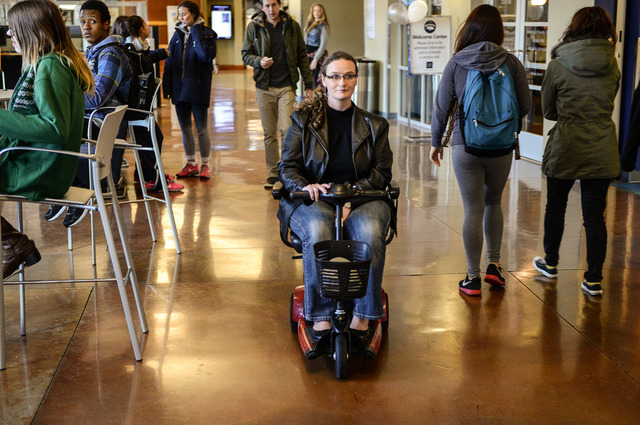
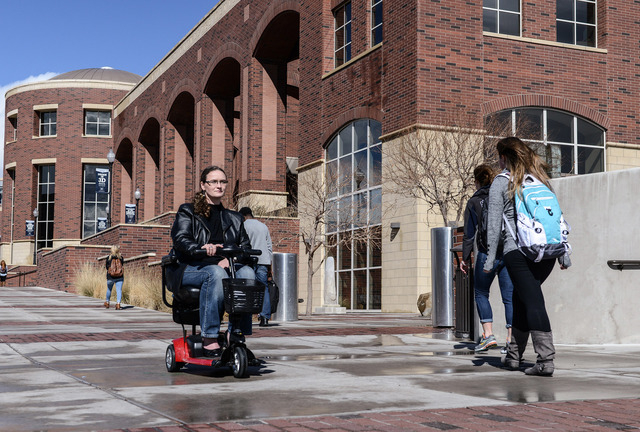
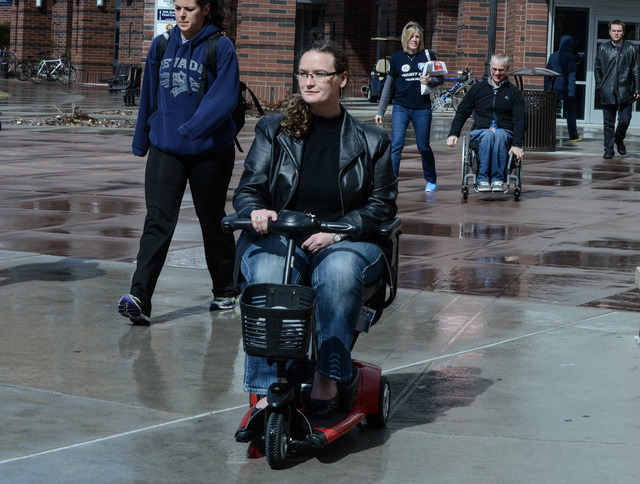
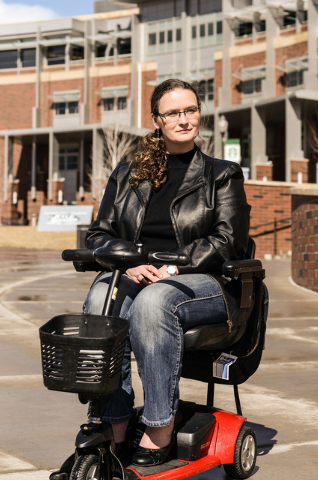
She can walk short distances — something doctors never imagined — though she still needs a scooter for longer jaunts. She continues to work on strengthening her legs to reverse the atrophy from years of idle muscles.
“I’m a lot better now,” she said, thanking her friend Shade for her recovery.
“I attribute it to the level of care I received from her, for her advocating for me,” Blinn said. “She literally gave up so much of her life to care for me.”
In a small way, the legislation “gives back to the caregivers,” she said.
Contact Sandra Chereb at schereb@reviewjournal.com or 775-687-3901. Follow @SandraChereb on Twitter.

RELATED STORIES
Bill would repeal Adam Walsh sex-offender act in Nevada
Nevada assemblyman arrested on DUI charge
North Las Vegas leads charge to empower cities
Bill introduced to change Nevada overtime law
Nevada bill to change vehicle smog-testing draws opposition
Sandoval signs bill to reform Nevada construction defect law
Nevada legislators will not take up same-sex marriages, citing court rulings
See all of our coverage: 2015 Nevada Legislature.