Market Trends
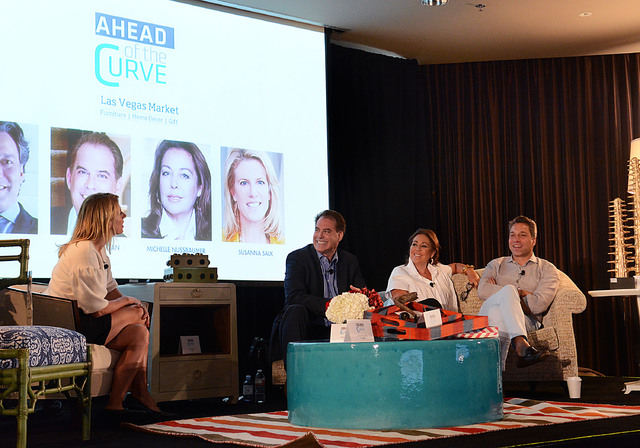
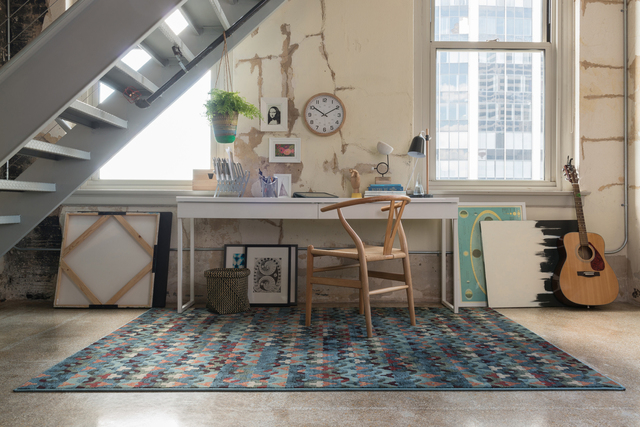
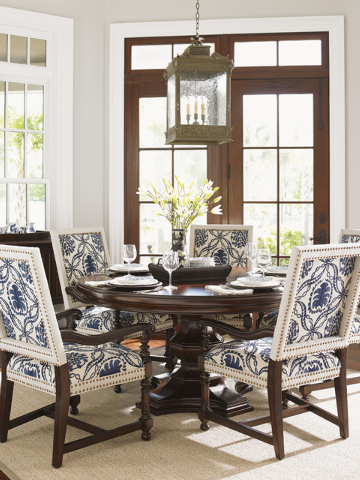




The latest trends in home furnishings and décor were on display late last month during the Summer 2014 Las Vegas Market, the most comprehensive furniture, home décor and gift market in the United States. More than 5 million square feet of showrooms featured everything from bedding to floor coverings to upholstery to light fixtures to rugs to decorative accessories to gifts and to pillows — thousand of pillows.
What to make of it all?
That was left to U.S. interior designers Thom Filicia, Michelle Nussbaumer and Timothy Corrigan. They toured the show for two days before giving their insight during a panel discussion titled “Ahead of the Curve.” It was moderated by Susanna Salk, “Today Show” contributor and design author.
“I tell customers that the new rule is there are no rules,” said Nussbaumer, who in 2009 was honored by Elle Décor as one of Five Leading Women in Design. “It’s important to feel happy in your house and the only rules that apply to this are your own rules. If you have something and you love it and you want to display it, then display it. It will look good no matter where it’s placed or how you use it.”
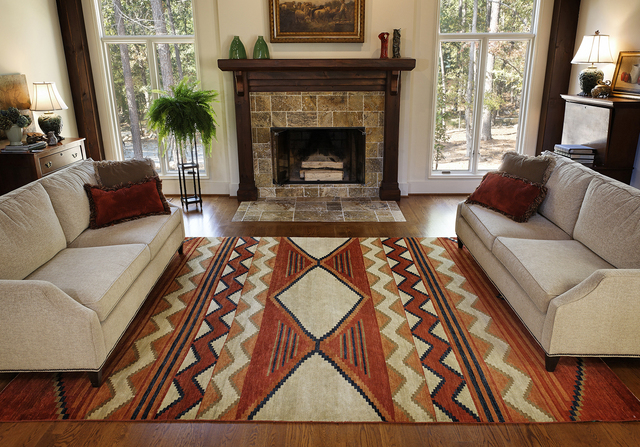
One trend Nussbaumer likes this year is tribal or American Indian.
“Chanel did it two years ago and now you’re seeing it everywhere,” she said. “This can be large framed colorful prints of great Indian chiefs to bead work or rugs styled like American Indian horse blankets. Any of these elements can be incorporated into your favorite room.
“I’m also seeing many items mixed with Danish modern furniture. But keep in mind that there’s no need to make your room look like a magazine ad. Make it fit your own personal style.”
Danish modern was prevalent during the 1940s to ’60s and has been one of the most enduring styles ever produced. It continues to peak interest, especially among men who prefer it for its masculine style and its resistance to denting and scratching.
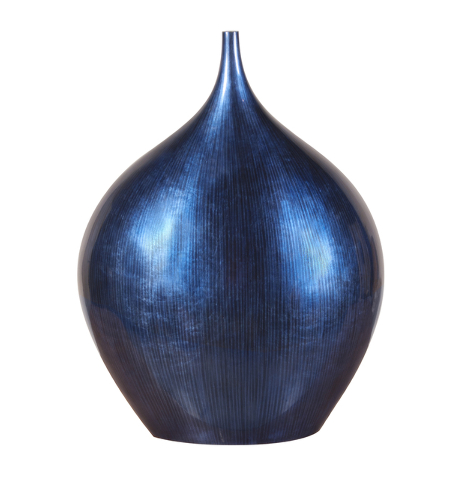
When it comes to color, Corrigan, whose clients include royalty, celebrities and corporate leaders and who has offices in Paris and Los Angeles, said blue is America’s favorite color.
“The great thing about blue is that you can mix every shade of blue together,” he said. “It’s the way our eyes process light. We can mix blues, but we can’t do it with green, yellow or red. Blues match and work so well with my distinctive design philosophy of comfortable elegance. Blue is a calming, soothing color that can be used anywhere and is great for fabric, table tops, lighting, just about anything. Gray is history.”
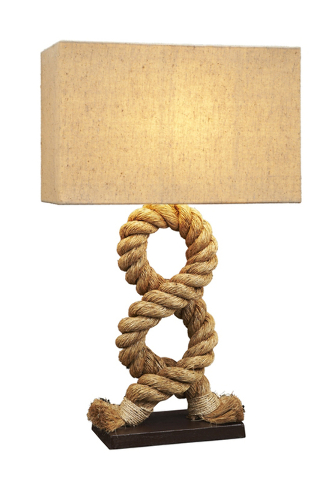
Another trend is rope. According to Filicia, whose recognition expanded beyond the design world when he was cast as the interior design expert in the Emmy-Award winning hit show “Queer Eye for the Straight Guy,” believes rope is coming back as a design motif.
“Rope can be the woven texture in a rug design or be the hardware handles on furniture or in light fixtures,” he said. “I see it as a balance of refined and elegant and sophisticated with an earthiness to it. There is an old quality so it looks more handmade than machine-made so mix it up however you want to whether it is something vintage with high end, low end, or something from your grandmother.”
Two other trending design elements are area rugs and indoor/outdoor carpeting.
Area rugs, from high-end knotted to outdoor synthetics, are becoming a part of many home remodeling projects. Those same remodeling projects are featuring indoor/outdoor carpeting for areas that see plenty of wear and tear. The carpeting’s durability make it an alluring option for a homeowner whether it’s just for areas that receive heavy foot traffic or pet traffic.
The carpet, which comes in a variety of styles and textures, is not as comfortable as carpets made strictly for indoor environments but there are some legitimate uses for it inside a home. If carpeting a porch, sun room, playroom, a changing room for swimmers, or mudroom, indoor/outdoor carpet may be the best choice since it will last longer under especially wetter conditions. It can also be directly glued to surfaces such as concrete and is less expensive than indoor carpet types.
According to Nussbaumer, trends usually start in the higher echelons of design studios and magazines and eventually trickle down to become the norm. But that doesn’t mean someone has to follow any trend.
“When I see a certain trend that may fit into a style favored by one of my customers, I will suggest that trend,” she said. “At the same time, it’s vitally important that I know what my customer is thinking. For instance, if the person or his or her family read a lot, then there must be a room or an area of the home with a bookcase or library.
“I work closely with clients and delve deep into their view of design and make sure their ideas translate into what they are going to be pleased with,” she added. “But always keep in mind that no matter what anyone else may suggest, it’s all about personal preference.”