‘Force the table to come to you’: Nevada ranching town worried about lithium mine





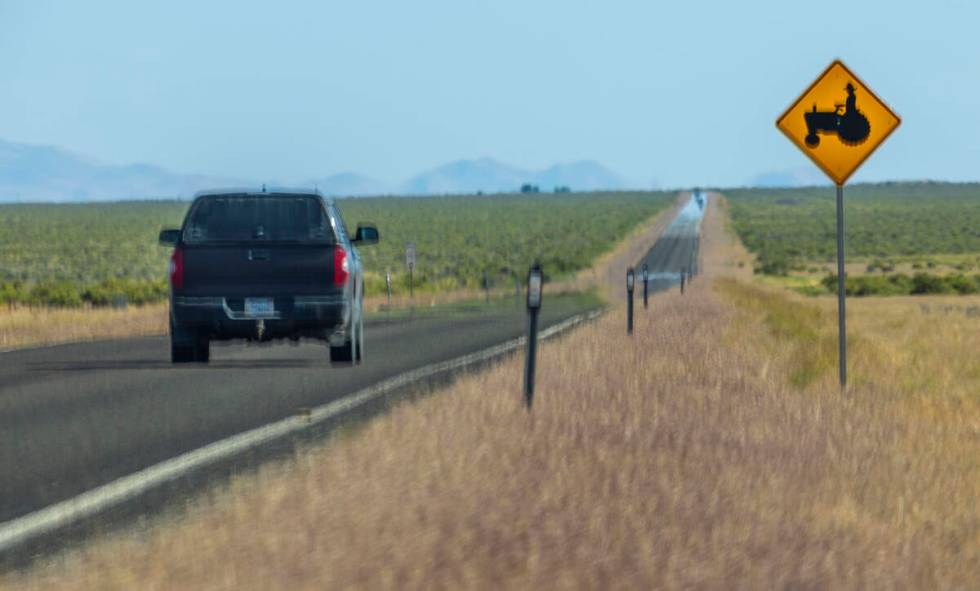
OROVADA — The road to Thacker Pass goes through the ranching community of Orovada — literally.
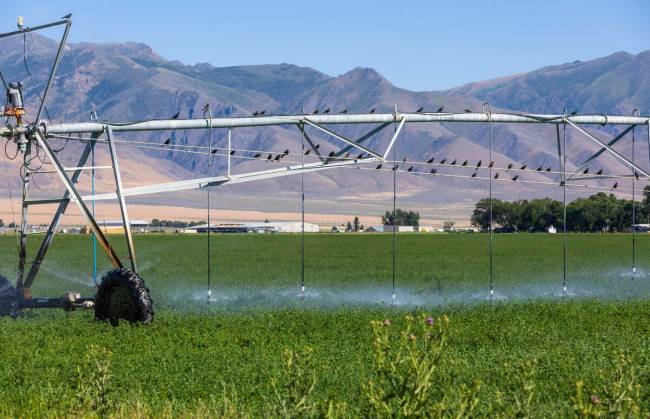
The unincorporated town, ripe with sprawling green fields not usually characteristic of the Nevada high desert, is a stopover as travelers head north on U.S. Highway 95 into Oregon. Jutting west is a county road along which glossy charter buses full of mine workers from Winnemucca and trucks of molten sulfur will travel to extract lithium from ore.
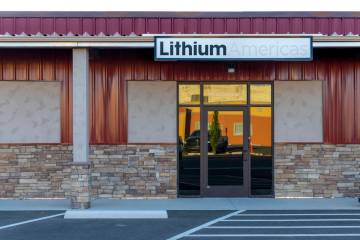
Opposition to the lithium mine in Humboldt County is presented sometimes as an Indigenous issue only. But in this 22-square-mile rancher’s paradise of about 150 people, one man has fought back because of conflicts with his water rights, and a group called Thacker Pass Concerned Citizens is negotiating with Lithium Americas to preserve the town’s quality of life.
In this slice of high desert, far away from any major hub other than the small county seat of Winnemucca, the land and its limited water supply are just about all people have to make a living.
The lithium rush’s intersection with water is a 21st century example of conflicts that have played out across the West for ages, said Fred Steinmann, one of the leads of University of Nevada, Reno’s Tech Hub focused on developing the state’s lithium industry.
“Mark Twain said it best: ‘Whiskey is for drinking, water is for fighting,’” Steinmann said. “Some 200 odd years later, very little has changed.”
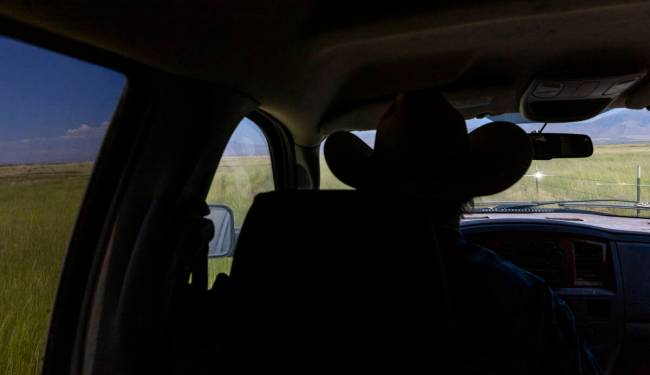
One rancher’s yearslong fight
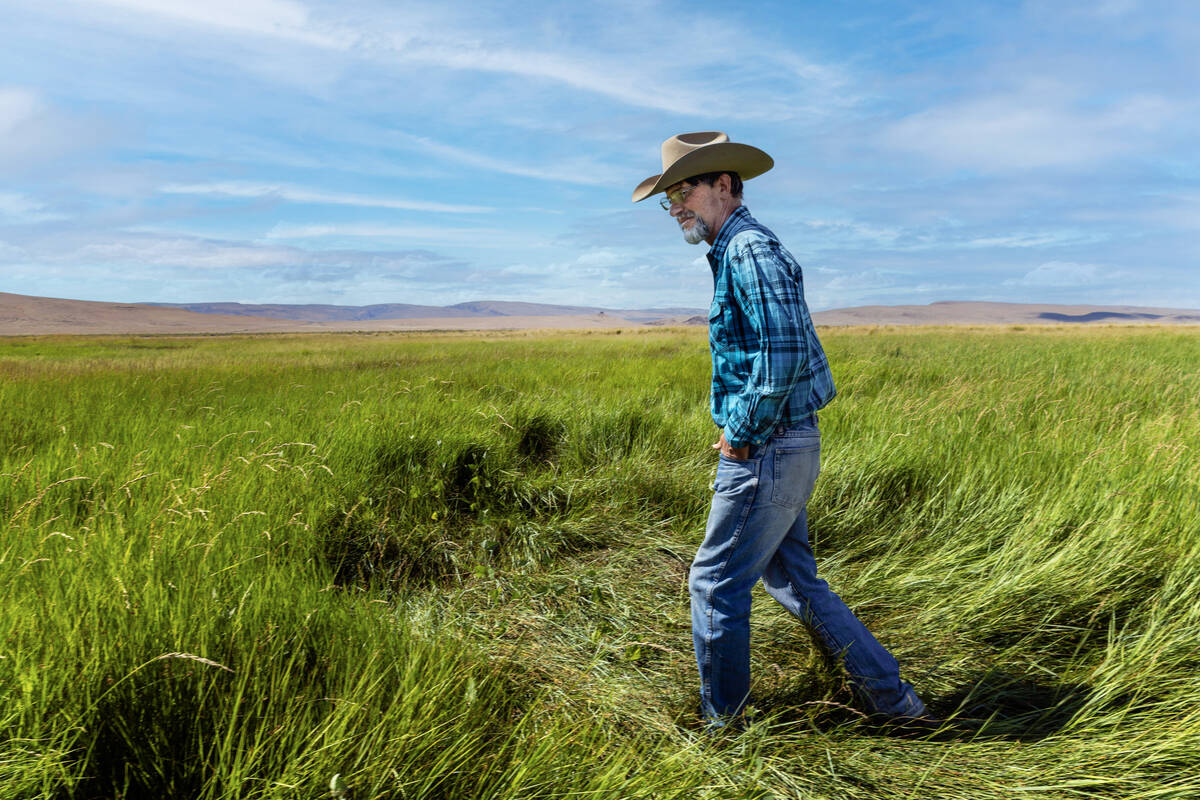
Cattle rancher Ed Bartell’s beef with Lithium Americas came to a head in June when Nevada’s top water regulator hit the mine with a cease-and-desist letter, ordering groundwater pumping to stop at once in one of its wells.
Bartell had chosen to file a lawsuit to challenge the mine for its undeniable connection to groundwater that fueled springs he used to graze cattle.
That cease-and-desist letter only came after Bartell sent regulators photographic proof that Lithium Americas was continuing to pump from a groundwater well that was the subject of a federal court order in April.
Months later, the wells are flowing at full capacity again, despite the state engineer’s acknowledgment that Bartell’s fears of conflict with his longstanding water rights were well founded.
The lush, verdant expanses of Orovada remain — for now, as Bartell and others notice declines in natural springs fed by the groundwater aquifer.
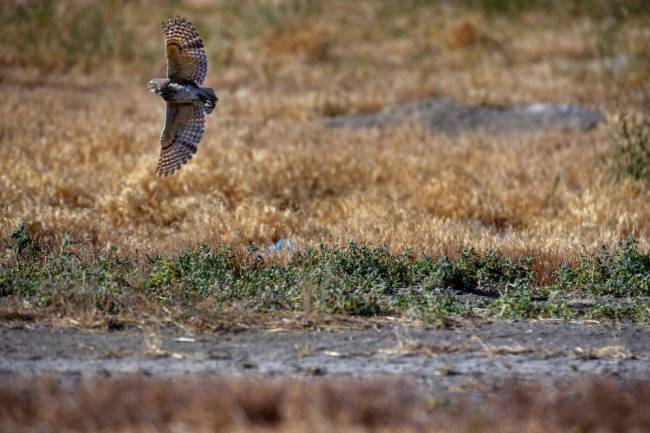
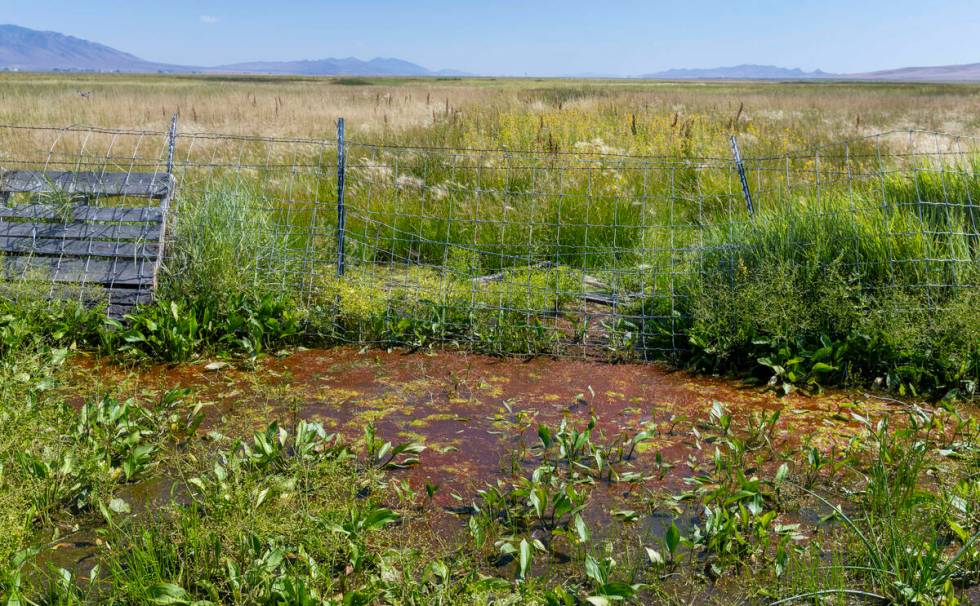
Bartell, 53, has emerged as a recognizable voice for Nevada ranchers who are unsatisfied with the mining industry’s often unchecked ability to use the water that dictates their livelihoods.
“He’s the one with most facts, and has watched the water be mis-measured,” said Jean Williams, a fellow Orovada rancher. “I don’t think very many communities have an Ed Bartell in their back pocket.”
Operating largely on federal land with grazing permits, Bartell’s ranching operation has been in Nevada since 2008. Prior to that, for generations, the ranch was across the border in Oregon.
In a July interview, Bartell was tight-lipped about his dealings with Lithium Americas, only sharing that he was considering taking a settlement to ensure he was at least fairly compensated for the declines he was seeing.

Bartell wasn’t optimistic about the cease-and-desist letter sticking as both he and the mining company separately collected hydrological data to prove their points.
“It’s a David versus Goliath type of thing,” Bartell said in July. “They have an enormous amount of money to prove anything they want to prove.”
The bitter back-and-forth — which began with a failed lawsuit challenging the mine’s federal permits in 2021 that was merged with another lawsuit from Nevada tribes — ended in August. A motion to settle the lawsuit that month waived Bartell’s right to protest Lithium Americas’ pumping west of the Quinn River.
Bartell said in a follow-up interview in September that while it was “a rocky road” to a resolution, he felt he was compensated fairly and that he was glad to wrap up the legal saga. The terms of the settlement don’t allow Bartell to publicly share how much he was awarded.
Lithium Americas spokesman Tim Crowley, who declined an interview for this series, said in a statement that the lawsuit with Bartell had been resolved and that the conflict “arose in the ordinary course of resource development.”
The cease-and-desist letter and legal proceedings did not have an impact on the company’s financial position or construction schedule, with phase one scheduled for completion in late 2027, Crowley said.

Organizing community
Aside from Bartell’s water fight, another group has been chipping away at making sure their concerns are represented in the larger dialogue.
Susan Frey, a mother and rancher in Orovada who leads the Thacker Pass Concerned Citizens neighborhood group, said the tight-knit vibe among ranchers is what made her want to raise her children there.
Frey spoke to the Las Vegas Review-Journal at the ever-busy Sawtooth Station gas station and restaurant, a watering hole for residents and, now, mine workers. Alongside gas pumps are electric vehicle chargers — a sign of the times as the town deals with the granular, hyperlocal impacts of the so-called green energy transition.
“Everything’s an event up at the community hall, and everybody’s welcome all the time,” Frey said. “That was the biggest fear for this community when this mine started to come into being. What’s going to happen to that community? What is this going to look like when this comes through here?”

Frey and others see Thacker Pass as a direct threat to the lifestyle they cherish. She began meeting with mining executives in what the company calls a working group, and has seen results.
Since then, Lithium Americas agreed to give Frey and her group $1 million that they’ll use for “environmental monitoring, education, skills training and community benefits projects” once they register as a nonprofit.
A big win came when Frey asked the company to stay off local roads, only using the main byway, to avoid degrading often poorly kept roads used by Orovada residents, she said.
While Frey notes it wasn’t something they asked for but “reluctantly accepted,” Lithium Americas committed to building a new campus for the Orovada School a few miles back from the main road where sulfur will be trucked in. They broke ground on the campus in early September, with the support of the Humboldt County School District superintendent.
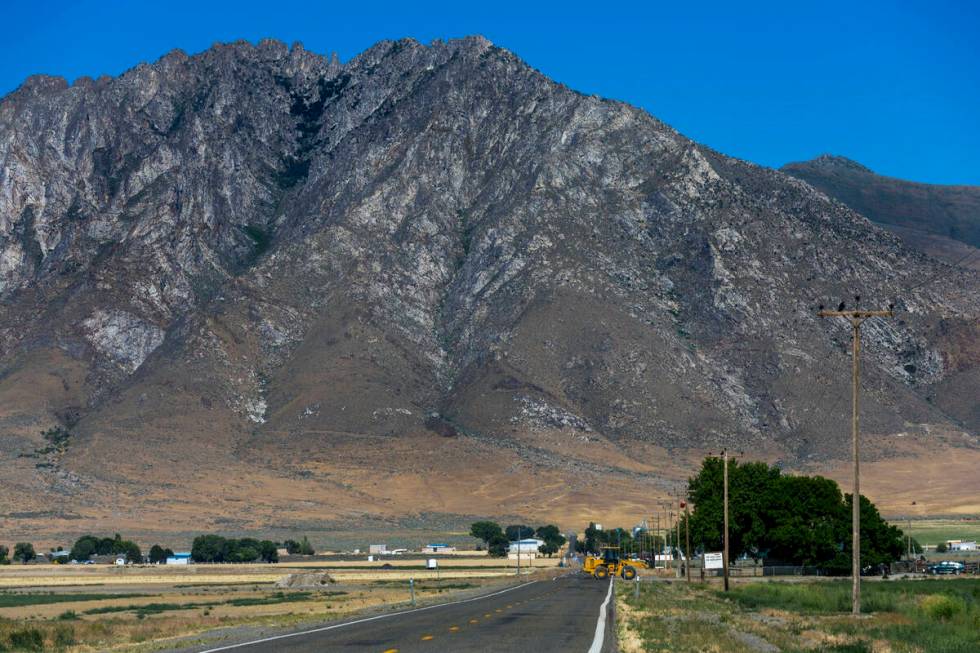
Concerns persist — as does engagement
Some community members, such as Williams, have raised concerns about the mining process.
In particular, she takes issue with the need to produce molten, sulfuric acid to extract lithium from raw ore.
In the first phase of the project alone, the mine will need 750 tons of the acid per day, according to a technical report. That weight is about five times as heavy as the Statue of Liberty in New York City.
Williams, whose small ranch is among the closest to the mine site, already has noticed an increase in activity along state Route 293 in the mornings and early afternoons, noting “it’s quite a parade.”
Aside from worrying about the smell of burning sulfur, Williams said she’s concerned about leaks that could contaminate the aquifer. For Orovada’s ranchers, clean water, breathable air and wide open spaces are the ingredients necessary to cook up a successful career.
“As I was told, it’s not a matter of if,” she said, “it’s when the sulfuric acid tanks leak.”
According to a Nevada Department of Environmental Protection permit, if molten sulfur leaks from a tank, it will cool to about 250 degrees, rapidly solidifying before it can escape its containment.
When asked about concerns for air and water quality, Crowley said the company “will abide by all permits, regulations and laws to ensure safe transport of sulfur to site.”
All in all, the leverage that a small community like Orovada has against a mining giant has its limits. It isn’t unique that small towns are confronted with extractive industries like mining or oil; it is noteworthy, however, when they organize and secure benefits.
When asked what advice she would give to other communities forced to negotiate with powerful, extractive companies, Frey said it’s important to at least ask if executives will budge on certain issues.
Even if they don’t fully accommodate a demand, any movement is better than nothing, Frey said.
“Force the table to come to you. Go looking for it, find your seat and stay there,” Frey said. “Don’t leave because they’ll try to win over your community with promises. They’ll try to divide your community by saying they’re having problems delivering on their promises because another community member is fighting them on something. Don’t let them be in the driver’s seat on all of it.”
This series was made possible, in part, by a grant and fellowship from the Institute for Journalism and Natural Resources.
Contact Alan Halaly at ahalaly@reviewjournal.com. Follow @AlanHalaly on X.