



A Colorado River court showdown could cost taxpayers millions. Is Nevada prepared?
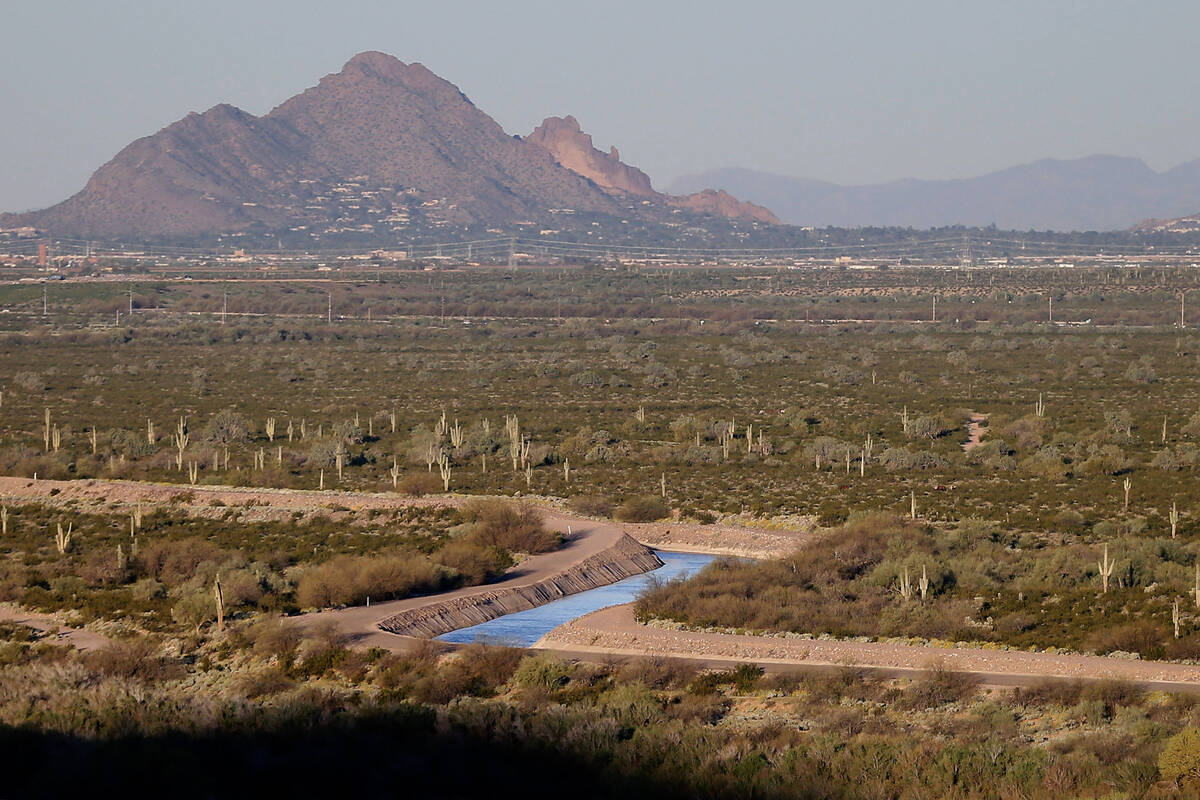

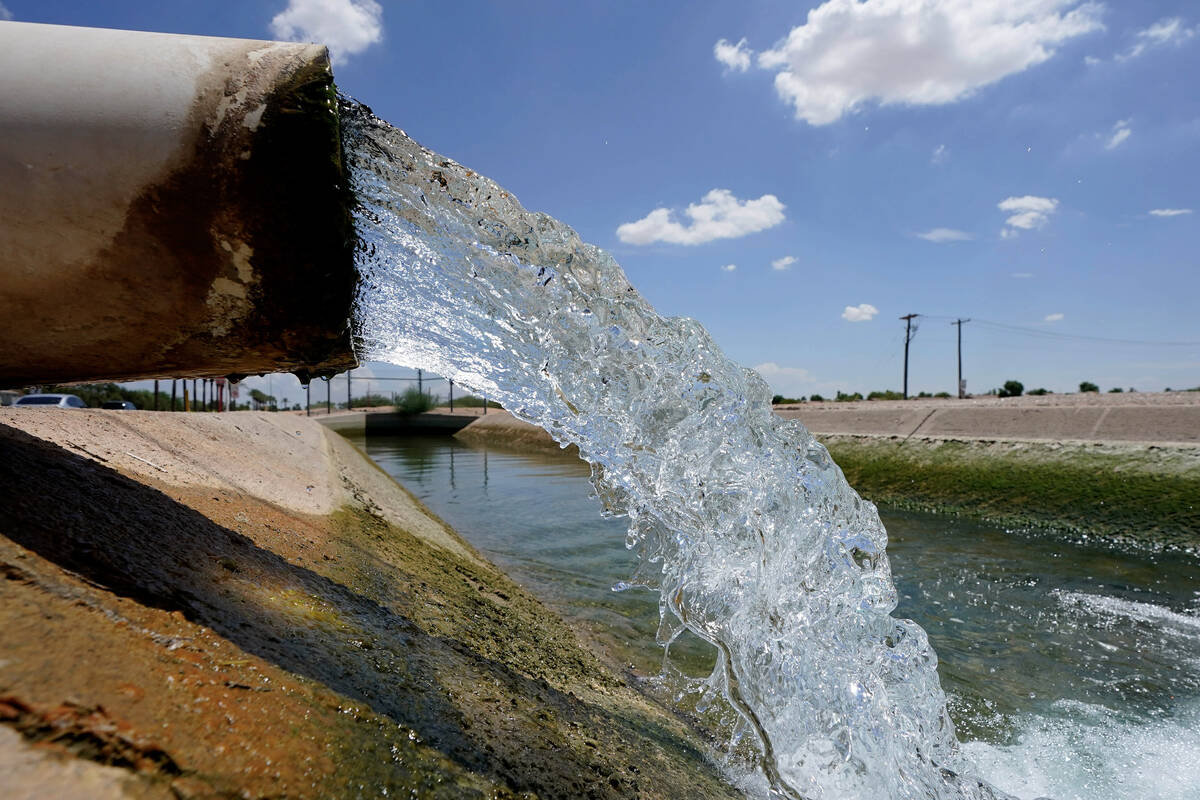




While they don’t appear to see eye to eye on anything, Colorado River officials do agree on this much: The courtroom is the last place that technical decisions should be made about how to share a drying river that serves 40 million people.
Two states, however, are publicly anticipating they will need to defend their interests in what would be a high-profile, taxpayer-funded court battle. Nevada and most others are hoping negotiators strike a deal before a firm Feb. 14 deadline set by the Trump administration, officials from which could intervene if the states cannot deliver one.
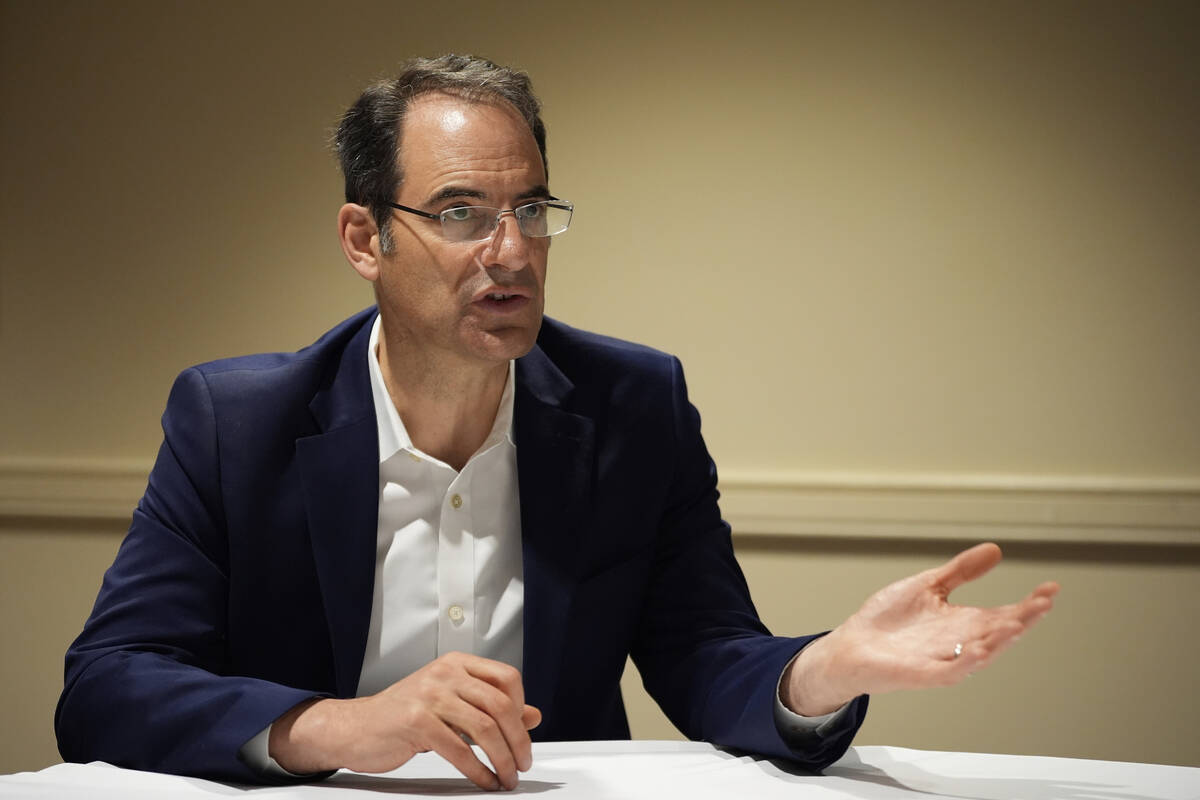
At a committee hearing Tuesday, Colorado Attorney General Phil Weiser said the state has invested in hiring more staff water law attorneys and said his office is preparing for a fight he increasingly sees as inevitable.
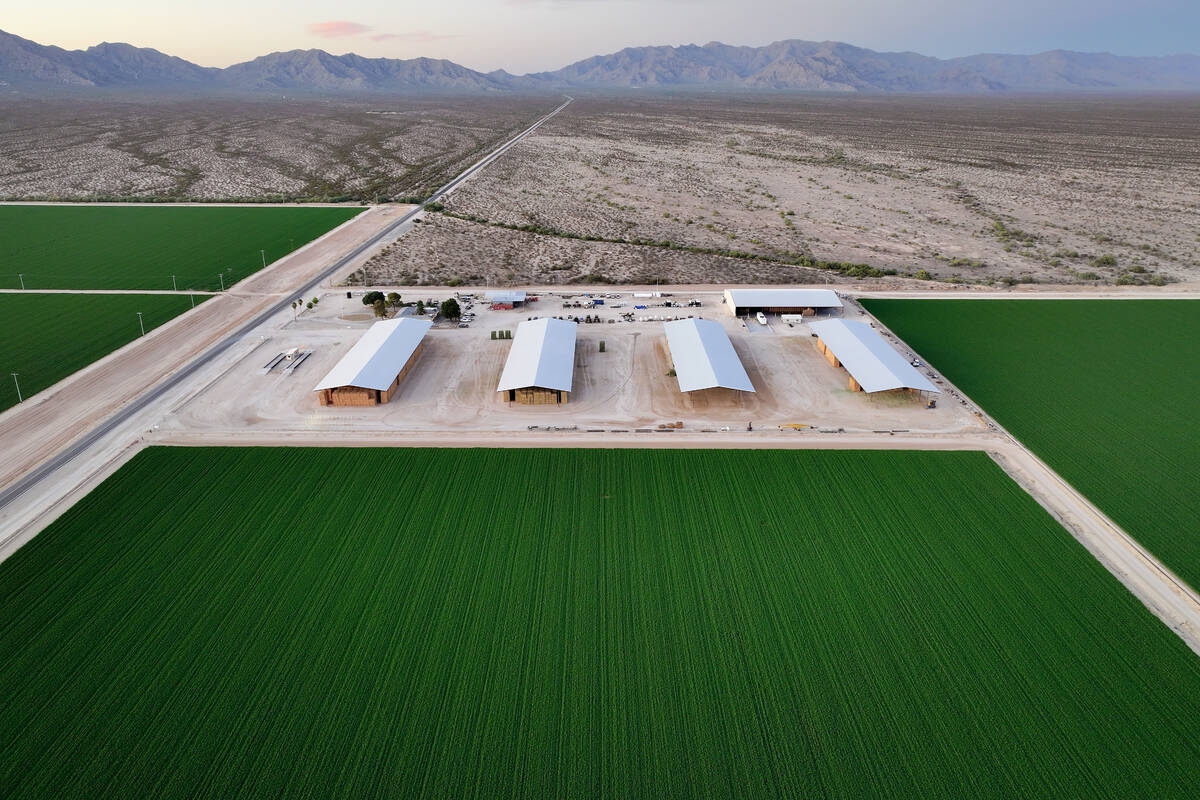
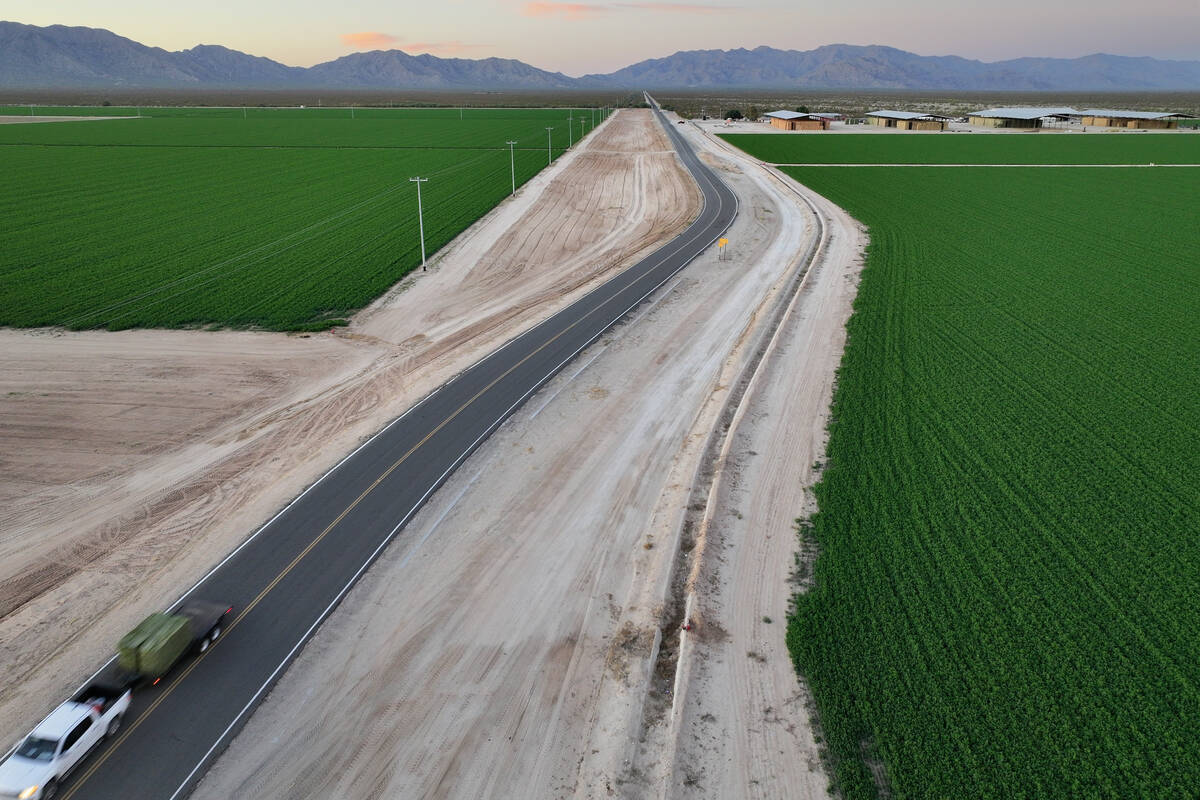
“The reason it’s hard to get a deal is because you need two parties living in reality, and if one party is living in la-la land, you’re not going to get a deal,” Weiser said. “Arizona has continued to ship alfalfa to Saudi Arabia, which is a classic example of what we should not be doing with water from the Colorado River.”
Weiser said he’s “committed to not getting a bad deal,” and that, in a likely court case, Colorado would stand by its water rights detailed in the original 1922 Colorado River Compact.
Colorado and the Upper Colorado River Basin states of New Mexico, Utah and Wyoming have long argued that little room exists for officials to further enforce mandatory cuts in water use. The Lower Basin states of Nevada, California and Arizona largely have shouldered the brunt of those cuts, and more are likely to come to both basins under a new set of guidelines.
Experts have long warned against an interstate court case that could involve the federal government.
It’s slow, wastes taxpayer dollars and kicks drastically needed cuts in water use even further down the line, said Brad Udall, a senior water and climate research scientist at the University of Colorado, Boulder. Udall worked for an engineering consulting firm that advised the state of Wyoming in a legal dispute with Nebraska over water, he said.
“That was an unbelievable gravy train. They’ll spend whatever it takes once you get into litigation,” Udall said in a Wednesday interview. “But having been through that, it’s not good public policy. It doesn’t lead to good outcomes.”
Arizona establishes litigation fund
The other state prepping for an impending lawsuit out in the open is Arizona.
Arizona has established a Colorado River litigation fund — something Arizona Department of Water Resources Director Tom Buschatzke defended in a video call with reporters Thursday.
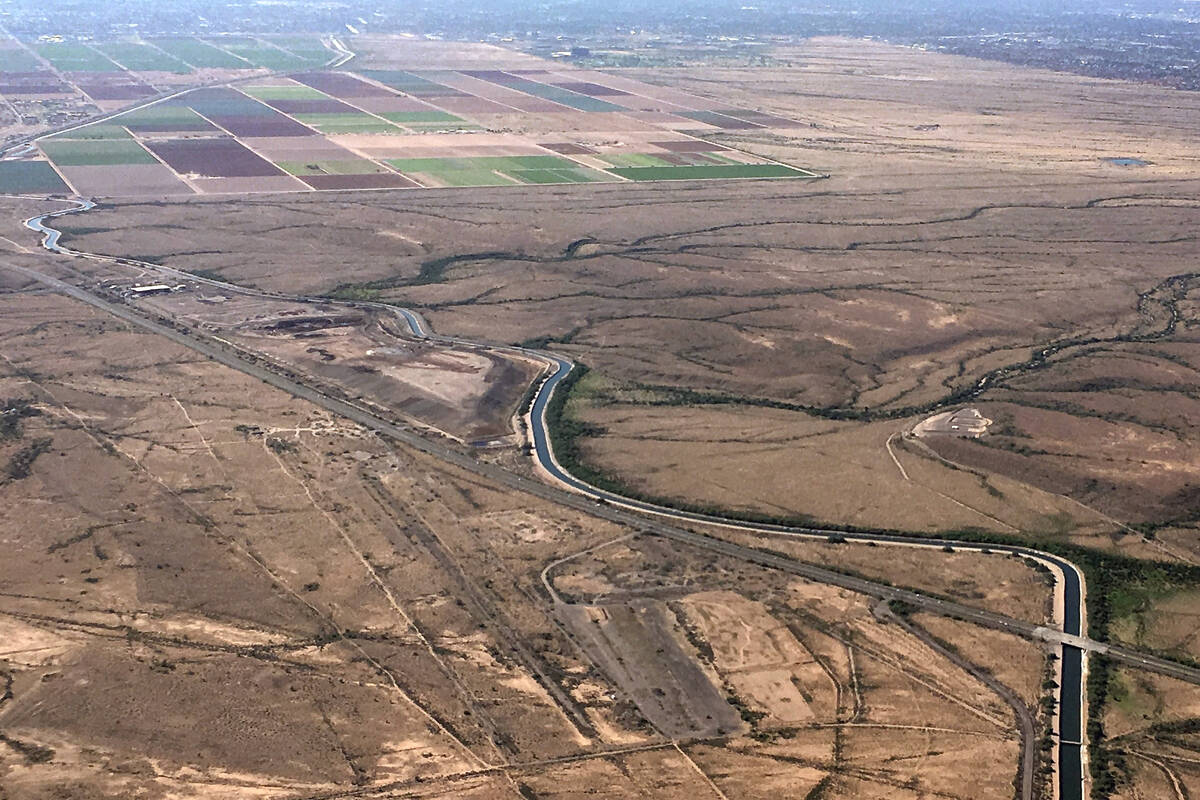
The Central Arizona Project, which delivers water from Lake Mead to urban centers like Phoenix, has committed $12 million for the defense of its rights from the river, while Buschatzke’s department budget has $1 million set aside, and a bill is making its way through the Arizona Legislature that could add another $1 million.
“I’ll continue to send a message that we don’t want to end up in court, but there’s a line beyond which we won’t go in the negotiations,” Buschatzke said.
The governors and negotiators for each of the seven states were scheduled to meet with Interior Secretary Doug Burgum in Washington, D.C., before the end of last year, and that meeting has since been rescheduled for Friday, both Buschatzke and Josh Meny, a spokesman for Nevada Gov. Joe Lombardo, confirmed.
“Like I said the other day, I got my plane ticket, I got my hotel, and I’m on my way,” Buschatzke said.
Even if they’re not being as transparent about it as Arizona, Buschatzke said each state is arranging for the possibility of a lawsuit behind the scenes.
Is Nevada ready to respond?
When asked about the potential for a lawsuit, Meny referred to the governor’s previous statements that urged for a seven-state deal. Attorney General Aaron Ford spokesman John Sadler declined to comment on behalf of the state’s chief legal officer.
Southern Nevada Water Authority Deputy General Manager Colby Pellegrino told the Las Vegas Review-Journal in a Thursday interview that the state’s focus remains on coming to a deal, not allocating funds for a legal defense. Pellegrino participated in discussions when state officials met this month for four days in Salt Lake City.
However, she said the states are asking themselves tough questions about the possibility of having to defend their positions in court.
“We’re invested in working with our partners and finding the path forward that works,” Pellegrino said. “Sure, there may come a time where that doesn’t work, but there’s a duty and an obligation to our customers, to our water users and to the economies of the states and communities we live in to create certainty around our water supply. And that involves working together.”
Echoing expert comments shared over the past few years, Pellegrino emphasized that going to court gives away control over a highly unstable system.
“It’s hard to see how there’s any certainty if we go down the litigation path, and supporting your representatives to make compromises is the single most important thing that anyone could do right now,” she said.
Contact Alan Halaly at ahalaly@reviewjournal.com. Follow @AlanHalaly on X.


