



EDITORIAL: Rents, gasoline prices fall in the Las Vegas area


Affordability is a trendy word these days, as Democrats look to tie Republicans to rising prices. In Las Vegas, however, at least two cost-of-living metrics have much improved in recent months.
The average price for a gallon of gasoline in Nevada sits at $3.39 this week, according to AAA. That’s down from $3.63 at the start of 2025 and $3.83 in January 2024. Recall that, under the leadership of Democrat Joe Biden — who was openly hostile toward traditional energy producers — gasoline prices soared as high as a national average of $5.06 in June 2022.
Gasoline prices rise and fall based on a number of competing factors, but supply and demand are key components. Indeed, the Energy Information Administration reported in early January that domestic demand had dropped by more than 4 percent while domestic supply had increased slightly.
President Donald Trump’s friendlier approach to oil and gas producers has paid real dividends.
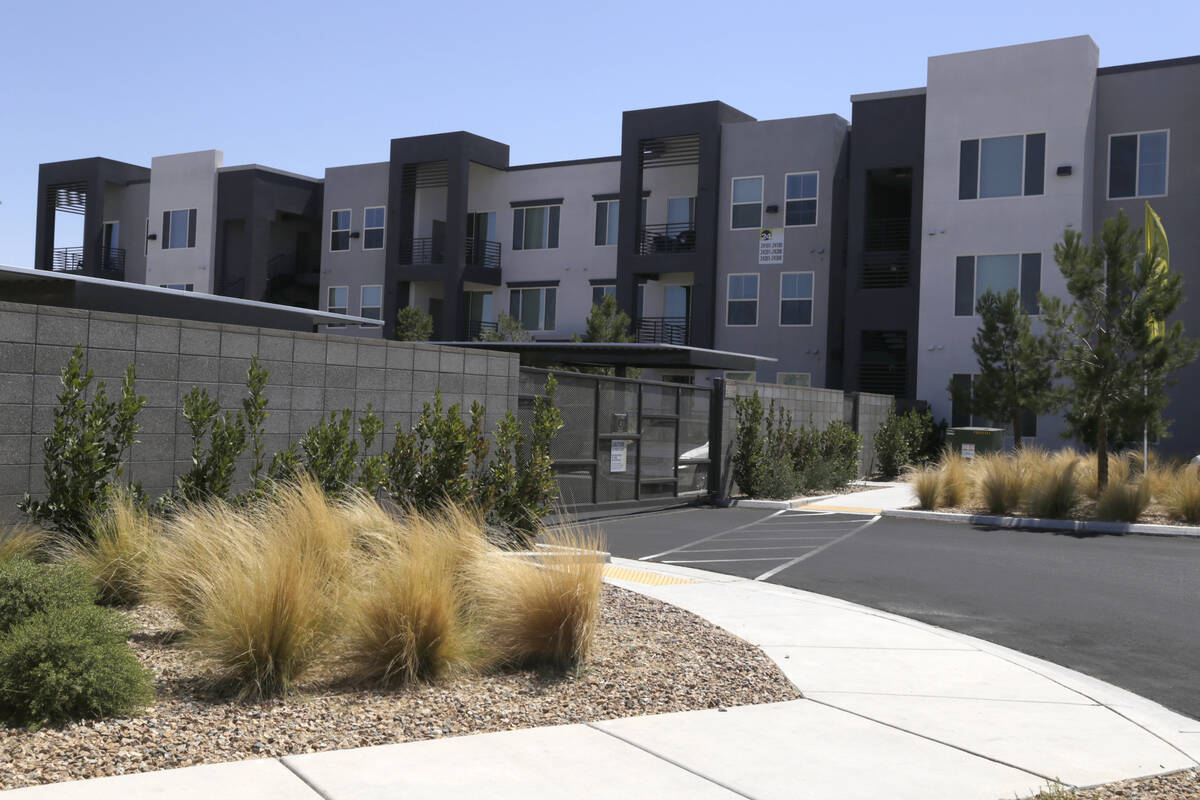
The same economic forces have eased the pain of renters. Zumper, a digital marketplace for renters and property managers, reported this month that rents were down across the Las Vegas Valley as 2025 came to a close. Henderson rental rates fell 4 percent, while North Las Vegas saw a reduction of 3 percent and Las Vegas declined by 1.7 percent.
The Las Vegas market reflects national trends. Realtor.com reports: “Across the 50 largest U.S. metros, the median asking rent fell to $1,693 in November, down 1 percent from a year earlier. That marked the 28th consecutive month of year-over-year rent declines nationwide.”
Rents hit an all-time high in 2022 thanks to Democratic pandemic initiatives such as eviction moratoriums, rent freezes and increased housing subsidies. Landlords, unable to remove deadbeat tenants, responded later by raising rents to make up for lost revenue. Many markets are only now recovering.
While Democrats throw around the word affordability, they seem oblivious to the fact that, as it applies to energy and housing, their policies have made life more expensive for many Americans.
Democratic fealty to renewables has not brought down utility costs, as promised. Yet they now attack Mr. Trump for loosening the reins on energy producers. Meanwhile, Nevada Democrats criticize Gov. Joe Lombardo for vetoing bills that would have imposed rent control and placed further restrictions on housing providers. We can only speculate on what might have happened to local rental rates had these misguided policies become law, but real-world experience tells us that discouraging investment is a guaranteed way of limiting supply, thus driving up prices.
Mr. Trump must not dismiss the economic concerns of working-class Americans. But there are pockets of good news that can help Republicans deflect cynical Democratic political posturing.


