



Woman to run 1,800-mile length of Colorado River for drought awareness
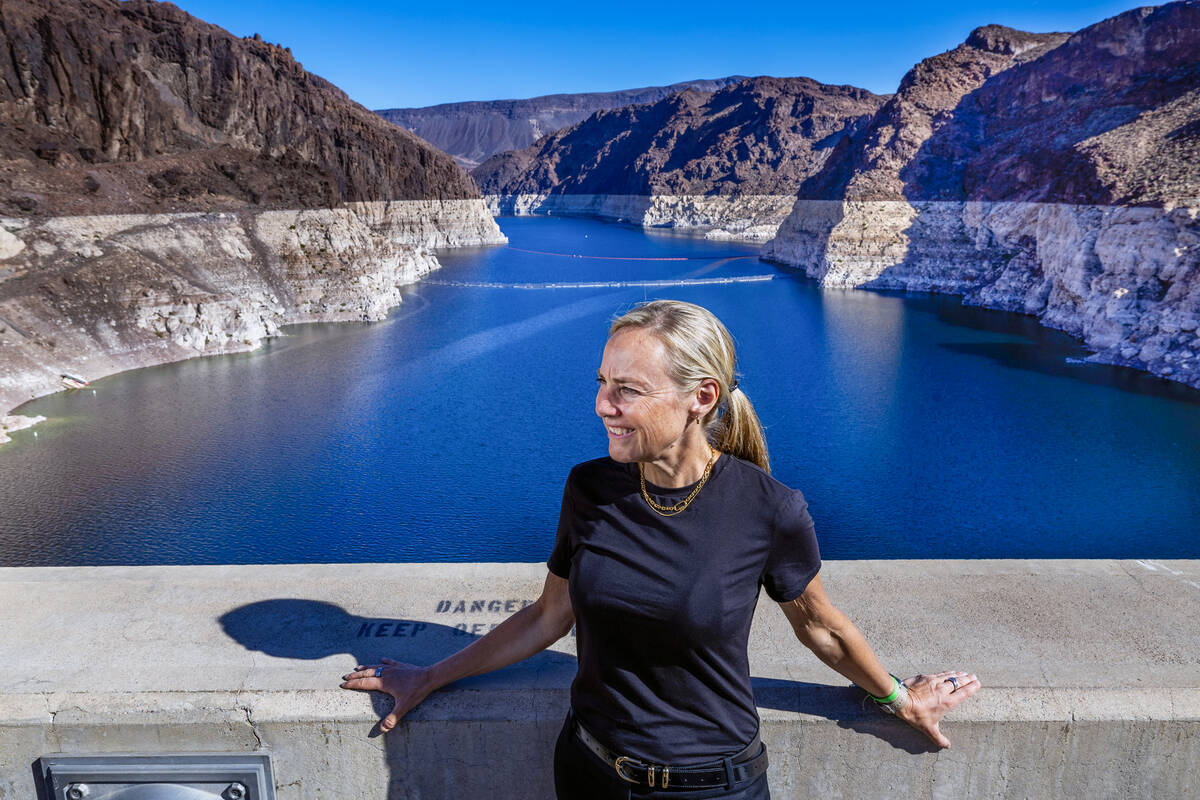




Ultrarunner Mina Guli says she doesn’t actually love running.
The Thirst Foundation nonprofit CEO is somewhat of a living contradiction, after running 200 marathons in 2022 across 32 countries to bring awareness to the world’s water crises that are being roiled by warming temperatures.
The 55-year-old from Australia finds the physical act of running to be sometimes painful, but she views her ambitious long hauls as an important vehicle for change.
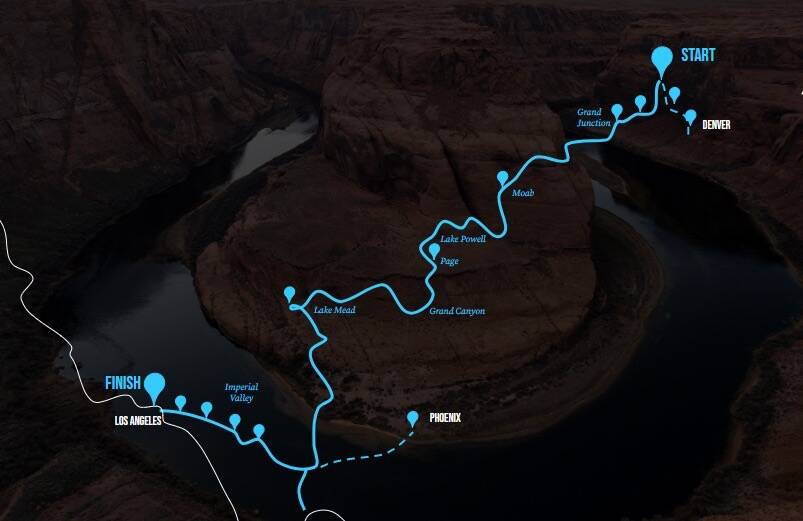
Her next challenge? This summer, Guli plans to run the 1,800-mile span of the Colorado River, all the way from the headwaters in Colorado’s Rocky Mountains to the Colorado River Delta outside of Mexicali, Mexico, before finishing in Los Angeles.
“When water fails, it’s not just a river that suffers,” Guli said. “It’s jobs, it’s food systems, it’s power generation, it’s public health, it’s the stability of entire communities. That’s why I am here, and why the Colorado River matters so much, not only to me, but to all of us, everywhere.”
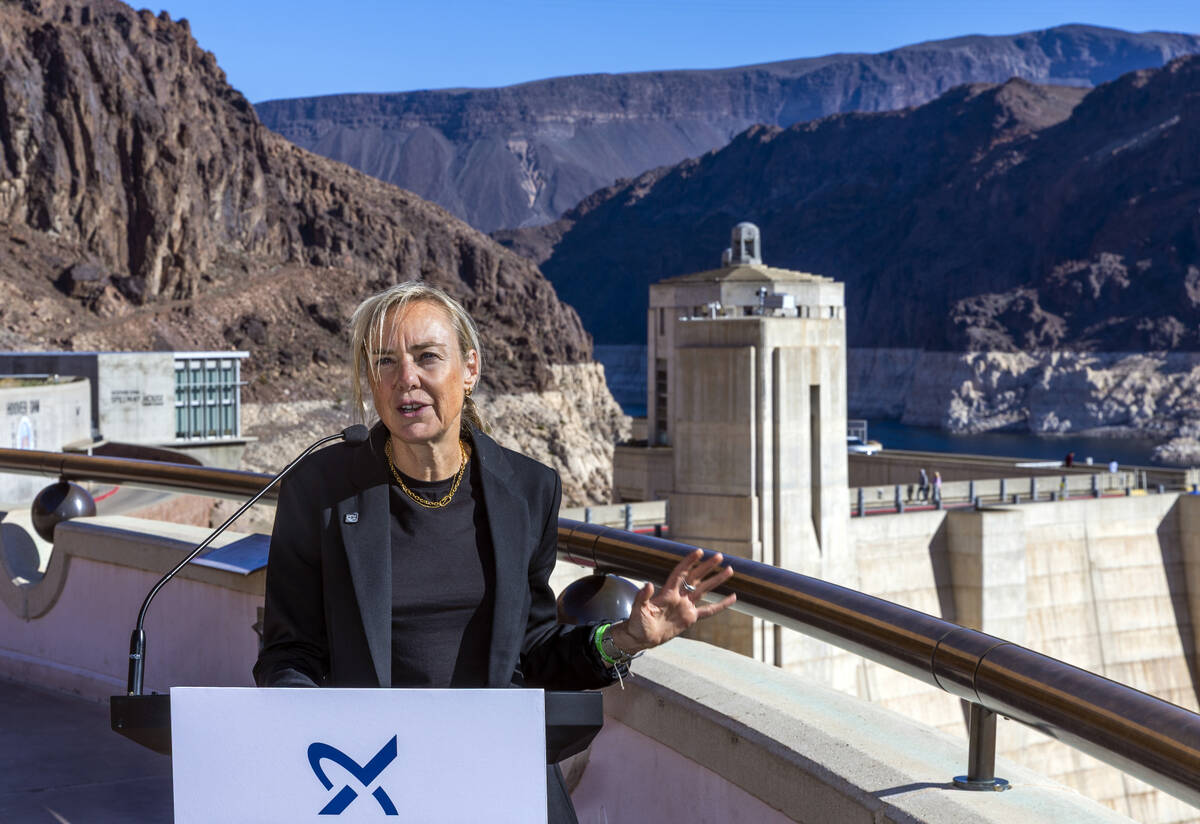
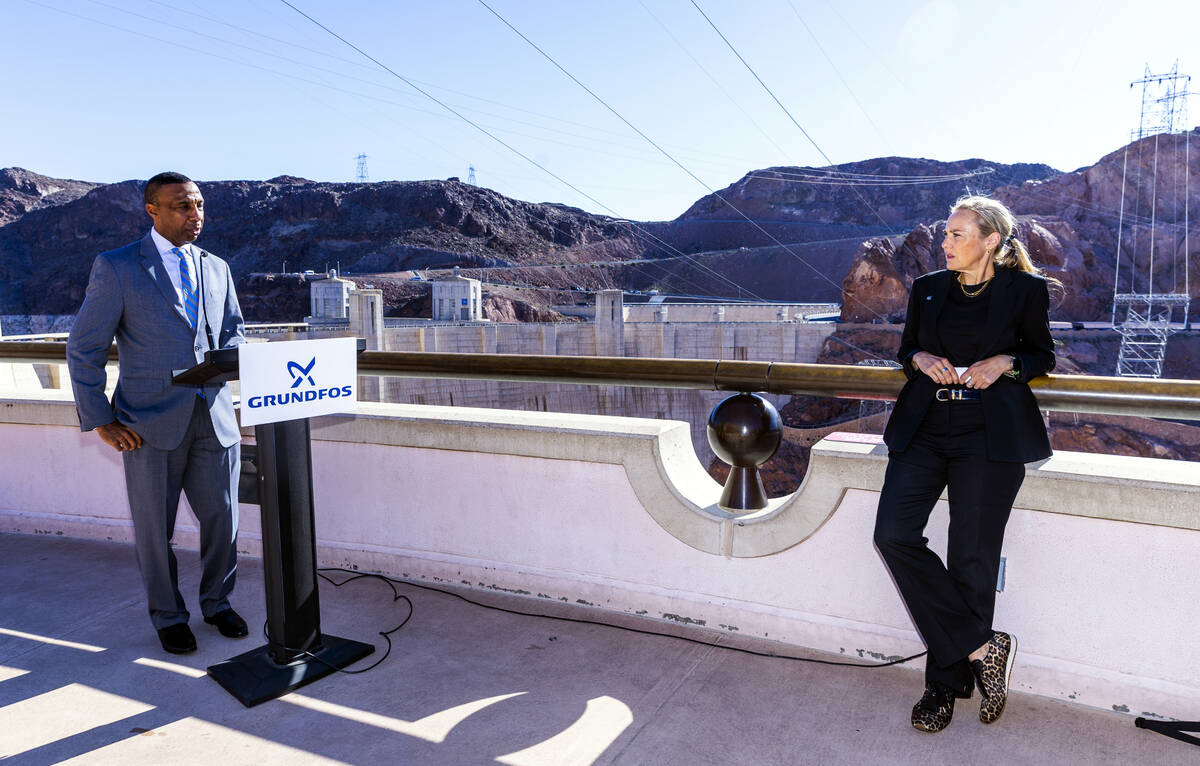
Guli traded her running gear for a black suit and leopard print sneakers on Tuesday, delivering remarks on top of Hoover Dam. The chalky “bathtub ring” marking Lake Mead’s once-high level stood behind her, with the reservoir set to plunge even deeper by 2027, according to federal projections.
She hopes her run will sound alarm bells for the rapidly drying, beating heart that keeps taps flowing in Las Vegas and throughout the American West: the Colorado River.
“None of this works if we do not collaborate, and if we don’t invest in efficiencies to predict growth instead of sacrificing it,” Guli said. “What has been missing in this whole process is not ideas, it’s speed, it’s scale and it’s follow-through.”
River faces obstacles ahead
The run is a part of what she and pump manufacturing company Grundfos are calling their “Keep the River Running” campaign.
The announcement of her run is well timed. It comes about week before the federal government’s Feb. 14 deadline for the seven states that share the river to deliver a hard-fought, consensus-based deal.
As of this week, sticking points remain between two bitterly divided groups of states: the Upper Basin states of Colorado, Utah, New Mexico and Wyoming, and the Lower Basin states of Nevada, California and Arizona.
While Guli declined to weigh in on the current interstate water wars, she urges leaders in both the public and private sectors to work on large-scale projects, such as ocean desalination or wastewater recycling, to stabilize the river.
“It’s not an Upper Basin or a Lower Basin issue,” Guli said. “It’s an all-of-basin problem that all of us need to come together to solve.”
The Colorado River Basin should be looking to Las Vegas for examples of how to do so, Guli said. Under the surface of a glitzy tourist destination is a commitment to water stewardship, she said.
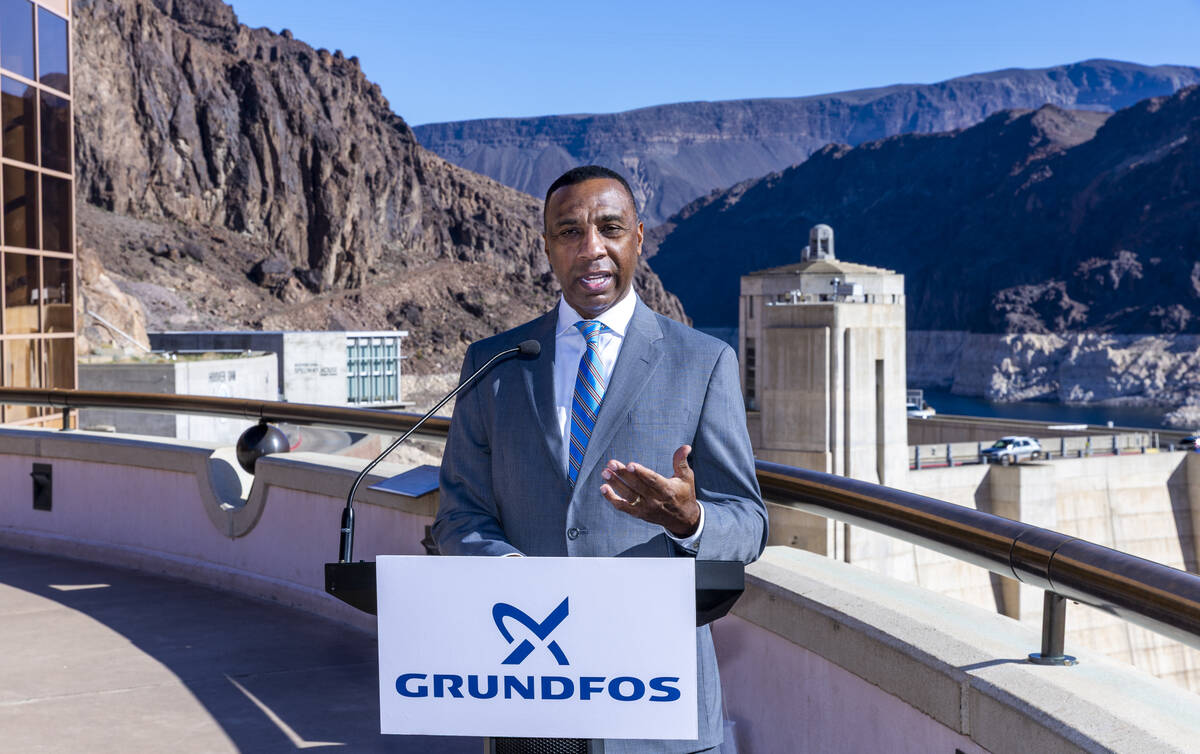
Ansell Sims, president of Grundfos USA, said his company is sponsoring Guli’s run in an effort to build momentum for innovations that can both save water and create more water.
“That white mineral line on this wall, it’s not just geology,” Sims said, referring to the bathtub ring. “It’s a ledger of what we’ve taken out and what we’ve not put back in. And on that ledger is the livelihoods of so many.”
Zigzag through the basin
Much of the river’s terrain remains remote — and difficult to navigate.
Guli’s upcoming journey will take her to cities such as Denver, Phoenix and Las Vegas, where she will host periodic summits along her route to bring together water managers, tribes and others to solicit solutions.
She will get some breaks, such as a day in Borrego Springs, California, to speak with farmers. The run is happening in the summer because of access issues caused upstream during winter snow, Guli said.
Guli expects the most grueling section to be the 200 or so miles through the Grand Canyon, where she said she will carry all of her own supplies rather than having a vehicle follow her.
“Her message is straightforward: When the river runs strong, America runs strong,” Sims said.
The run will finish in time for climate week at the United Nations General Assembly, Guli said, where she hopes the journey will have inspired world leaders to get serious about projects to boost water supplies before it’s too late.
“We need to find better ways to collaborate and to break the fragmentation in the silos,” she said. “Let’s find ways to bring together companies and communities, to say, ‘What can we do, not to focus on the scarcity problems and the allocations, but to increase the abundance of water that’s actually available in the system?’”
Contact Alan Halaly at ahalaly@reviewjournal.com. Follow @AlanHalaly on X.


