Spring into gardening



Is this a normal spring for Clark County? Wasn’t it just a few weeks ago that blossoms started appearing on any number of different trees when those blossoms weren’t expected until mid-March? What’s going on? Isn’t it too early for all these trees to be in blossom and for all this pollen to be driving us crazy?
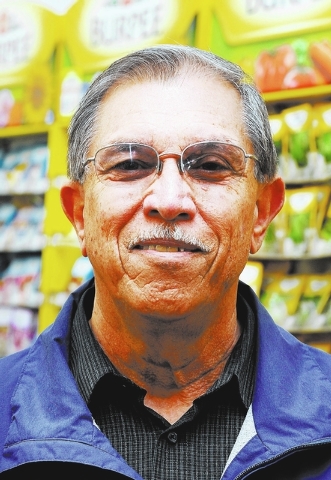
Well, yes and no. According to Paul Noe, staff horticulturalist at Star Nursery, yes, we are having an early spring.
“If you recall,” he said, “late December was quite nice and January was one of the most pleasant Januarys that I can remember and I’ve been here over 30 years. Many of the flowering trees put out blooms earlier than normal and now we have to hope we don’t get another hard freeze. But I don’t see that happening and it looks like the early spring is here to stay.”
At Ken’s Lawn Service, Ken Stanthill has been tending to Southern Nevada lawns for close to 25 years and this is only the second February that he has seen it this warm.
“I have already noticed an early growth of grass on many lawns so get out there and start fertilizing now,” he said. “Whatever you normally do for your lawns in March and April, do it now. The weather is still mild so I would start with a 22-6-8 fertilizer. The 22 is nitrogen, 6 is phosphate, and 8 is potash. Because it isn’t hot yet, you can use this higher level nitrogen and it won’t burn the grass.
“I would fertilize again in May with number 16 nitrogen. Skip the summer and fertilize again in September and January. That should keep your lawn green throughout the year.”
Back to the hard freeze, a period of time when the temperature is below freezing.
“Most trees can tolerate a freeze for a few hours, especially if it comes early in the morning before the sun rises,” Noe explained. “Traditionally, we look at March 15 as a calendar date when no further frost is expected in Southern Nevada.”
Noe said the blooming fruit trees are not causing the sneezing and watery eyes. That’s coming from the airborne pollen of pine, ash and mulberry. He said the early blooms on fruit trees will produce an early fruit but will still need to stay on the limb for the sun to fully ripen them in order to get a sweet taste.
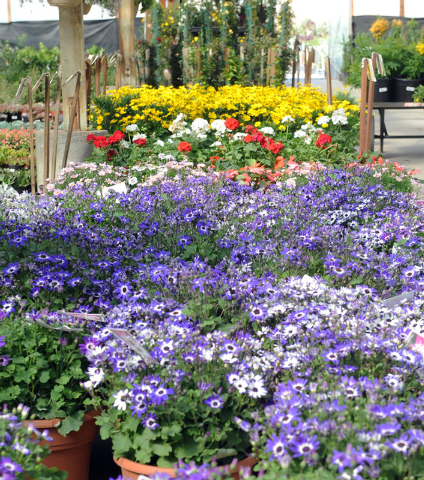
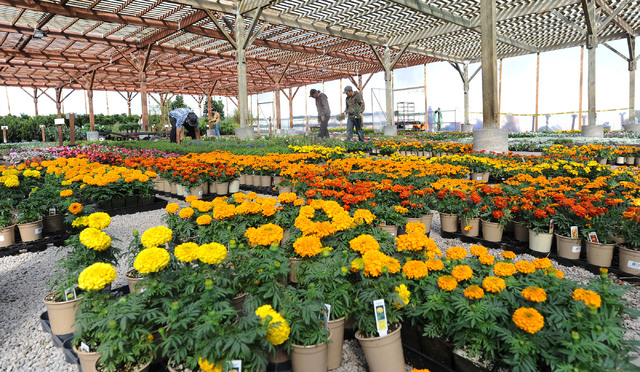
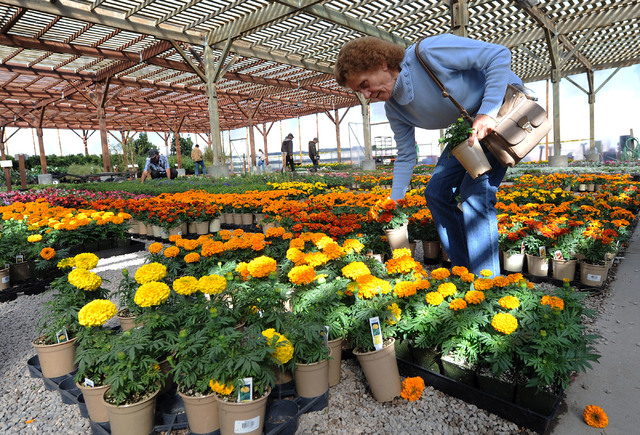
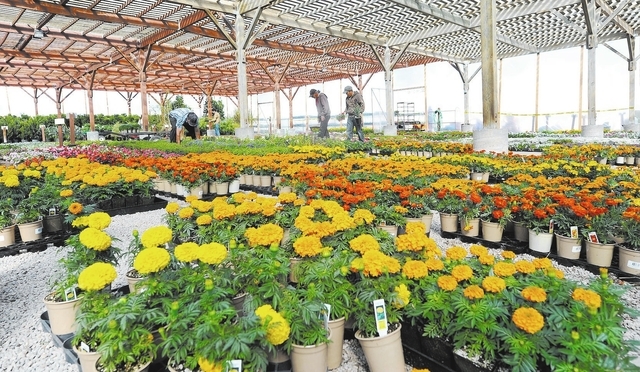
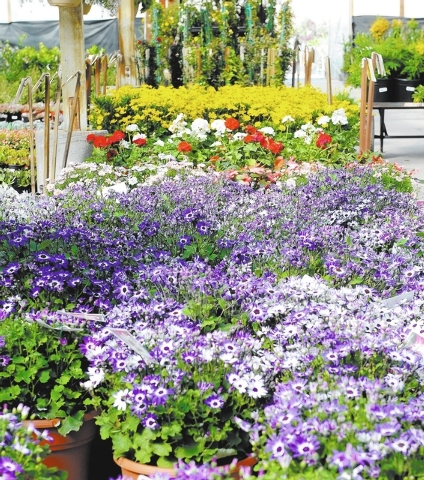
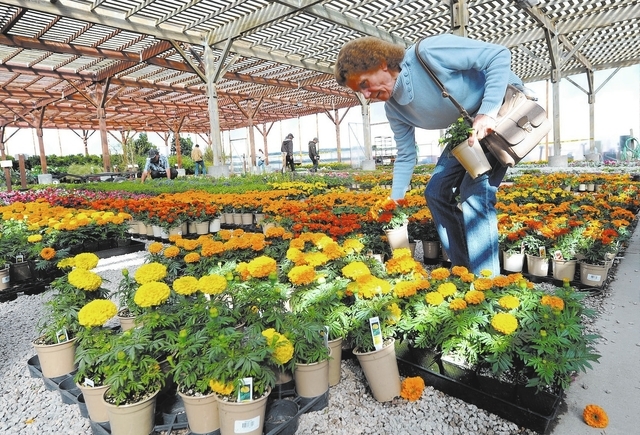
In the meantime, spring is here to stay so start planting those vegetables and flowers. Noe suggests starting with tomatoes, peppers and squash as they are the most popular along with beets, radishes, melons, turnips, beans and peas. Also some herbs and lettuce. No cabbage, broccoli or Brussels sprouts as they do better in colder weather. In the meantime, nurture the plants, watch them grow and harvest in 60-80 days.
The issue with any gardening in Southern Nevada is the soil. Local soil is deficient in organic matter that roots need in order to process fertilizer for the plant system. Proper soil preparation — using organic matter and starter fertilizer — is the answer. Another issue is making sure water drains properly from the root zone to prevent fungus and other diseases.
“Before planting, till the soil and prepare it by using natural fertilizers,” Noe advised. “The more the organic stuff smells, the better it is for your soil. Also, make a plan to protect the plants just in case a freeze does come along. Use burlap or plastic to cover the plants for protection from frost, cold or any type of freezing wind. Let them get sun in the morning and by 2 p.m., they should be protected from the hot afternoon sun. Remember, location is important.”
For flowering bulbs, Noe suggests gladiolas that will bloom into summer. He likes to plant some one week and several more a week later and so on so they will bloom throughout the season. The same goes for lilies. No tulips or hyacinths or daffodils as they should have been planted in the fall (they need colder weather for the bulbs to set).
The rain last month, along with the early spring, caused a number of weeds to appear and there is no easy way to get rid of them. Stanthill has an answer: Get down on your hands and knees and pull them out one at a time.
“Those weeds are a real pain,” Stanthill said. “You need to keep up with them or they’ll get out of control. Go ahead and cut the lawn and then start weeding. There is the weed and feed fertilizer that works without affecting the green lawn. You can spray and kill them but then you have brown weeds.
“And remember to water three times a day now. I would suggest early in the morning and again at 11 a.m. and 3 p.m. But set your watering clock to late night and very early morning when summer watering times becomes effective.”