


In the grand scheme of things, the proxy fight over Full House Resorts seems like small potatoes. But with regional markets on a downward trajectory, the company is ripe for the taking.


In the grand scheme of things, the proxy fight over Full House Resorts seems like small potatoes. But with regional markets on a downward trajectory, the company is ripe for the taking.
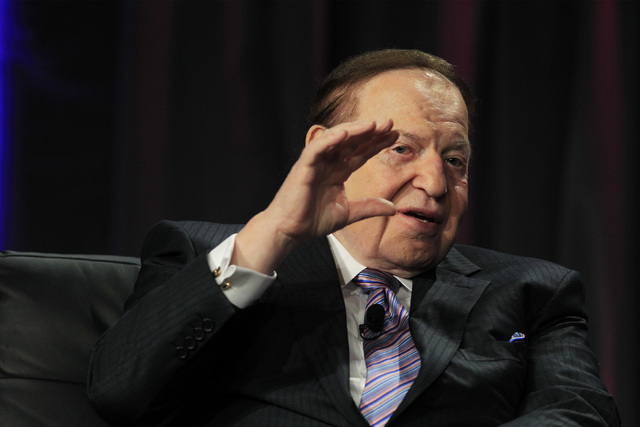
New smoking rules have been the least of the problems to beset Macau this year. The Chinese gaming enclave has experienced four straight months of gaming revenue declines.
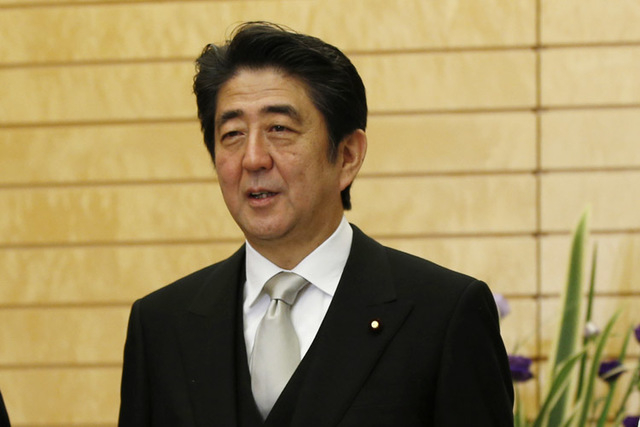
To paraphrase Monty Python, gaming expansion in Japan is apparently not dead yet. That’s good news to some of the world’s biggest casino operators, who view the Land of the Rising Sun as the Holy Grail.
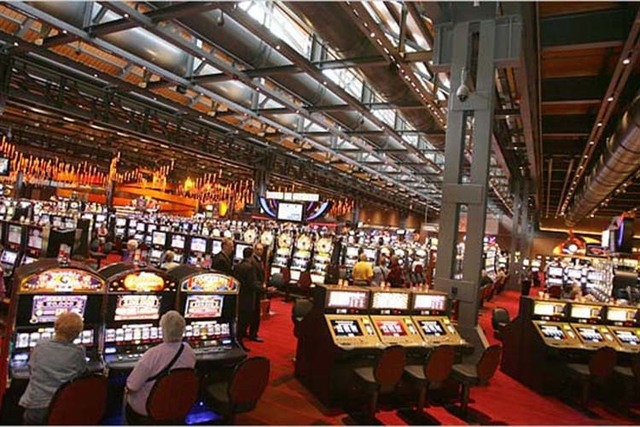
A year ago, Las Vegas Sands Corp. was looking to sell its Pennsylvania hotel-casino complex, housed on the historic site of the long-closed Bethlehem Steel Mill. Now, the company is prepared to invest $800 million into the development.
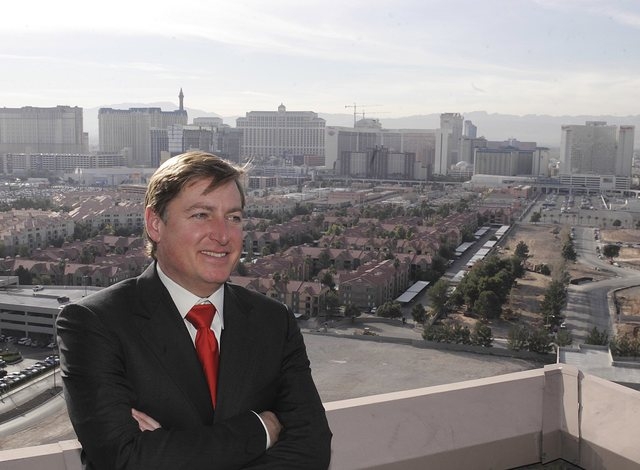
Anyone who has followed Dan Lee over the years understands his motivation in launching a proxy fight for control of regional casino operator Full House Resorts. He sees opportunity.

Amaya Gaming Group CEO David Baazov engineered the $4.9 billion acquisition this summer of online gaming giant PokerStars. If he is successful in restoring the once-tainted PokerStars presence in the U.S., the move could dramatically change the financial prospects of the American online gambling market.

Since Secaucus, N.J., “no longer smells like pig farms,” Sheldon Adelson wouldn’t mind building a casino in the nearby Meadowlands sports complex.

Bob Scucci, the director of race and sports for Boyd Gaming Corp., said the company’s recent launch of its mobile wagering application could bring more gamblers into the fold.

On the surface, the lines between the commercial casino industry and Indian gaming are evaporating. But in terms of gaming revenue, the lines of division are pretty solid.

Richard Haddrill’s second term as CEO of slot machine giant Bally Technologies will be short-lived. Nearly 17 months after he handed the reins of the gaming equipment manufacturer to his hand-chosen successor, Haddrill gave up his chairman’s seat and returned to the CEO’s desk on May 23.

A gaming insider whose opinion is respected in the industry has a theory that Massachusetts gambling regulators unknowingly handed some momentum to those who want to overturn the state’s 2011 casino law.

On Monday, the Chinese gaming market was red-flagged when Wells Fargo Securities gaming analyst Cameron McKnight became the latest Wall Street researcher to post warning signals.

New Jersey Division of Gaming Enforcement Director David Rebuck had one fear in restoring MGM Resorts International’s gaming license for its 50 percent interest in the Borgata, a take it and run deal.

Four years ago, Multimedia Games was all but kaput. Six months later, the company changed direction and last week, Las Vegas-based Global Cash Access agreed to pay $1.2 billion for Multimedia Games.

Station Casinos has joined MGM in signing on with the myVegas social gaming site.