‘Consultation is not consent’: What rights do tribes have when mining comes knocking?




FORT MCDERMITT — Building the nation’s largest lithium mine on public land means a federal agency must, by law, consult with the original, Indigenous stewards of the land.
But what that looks like in practice varies widely in both legal interpretations and how tribal members feel about when, if ever, a mine can proceed with their blessing.
The Mining Law of 1872 doesn’t once use the word “consultation,” said Aaron Mintzes, senior policy counsel at the nonprofit Earthworks. It’s one section of the National Historic Preservation Act of 1966 that requires consultation for federally funded projects that may affect historic resources.
“Anybody can go out there, put four stakes in the ground, file some paperwork and claim the minerals as their own,” Mintzes said. “Nowhere in there is consultation. The NHPA does require it, but consultation is between the government and the tribes. The miner doesn’t have to consult with anybody else.”
Federal regulations say agencies should consult tribes to “develop and evaluate alternatives or modifications to the undertaking that could avoid, minimize, or mitigate adverse effects on historic properties.” Tribal councils have 15 days to decide if they will participate after initial contact.
When it comes to the highly contested Thacker Pass lithium mine in Humboldt County, consultation with Native tribes came in the form of letters — ones delivered at the height of the COVID-19 pandemic that closed many tribal governments throughout the country and hit reservations especially hard.
“They said they did good consultation with the tribes, but the tribal buildings were all closed down because of COVID. We were losing people, and people were dying,” said Dean Barlese, a Northern Paiute elder of the Pyramid Lake Paiute Tribe who had faced civil charges over protesting Thacker Pass’ construction in 2021. “It was a devastating time, and that’s when they chose to do consultation with the tribes.”

‘Within the framework of applicable laws’
Today, Great Basin tribes have lost nearly all cards to play in stopping the mine after failed lawsuits.
In lengthy court proceedings that consolidated the legal gripes of tribes, ranchers and environmentalists, U.S. District Judge Miranda Du determined that, by and large, the Bureau of Land Management’s consultation was sufficient.
Not every Northern Paiute tribe with claim to the sacred sites near the mine needed to be contacted because some previously had told the BLM they didn’t need to be contacted for other area management plans and the federal agency must only operate with the information available, Du said.
The BLM contacted three tribes in the same county as the proposed mine, according to federal records: the Summit Lake Paiute, the Winnemucca Indian Colony, and the Fort McDermitt Paiute and Shoshone Tribe.
“The Court is not unpersuaded by the Tribes’ broader equitable and historical arguments, but the Court must operate within the framework of the applicable laws and regulations,” Du wrote in a 2021 ruling denying an attempt to pause an archeological survey without more consultation.
To some, however, those existing laws and regulations governing consultation are far from sufficient. And tests of federal law may become more frequent; a 2021 study found that 79 percent of the country’s lithium deposits are within 35 miles of tribal lands.
Different interpretations of law
Unlike international law established through the United Nations, U.S. laws don’t acknowledge what is known as free, prior and informed consent, or FPIC. Without it, some say consulation is just another box for land managers to check.
In essence, the principle gives Indigenous people the right to grant or take back their consent for a project that will affect their lands, territories or resources. Extractive mining projects fit squarely on that list, said Rebecca Tsosie, one of the nation’s preeminent Indian law scholars and a professor at the University of Arizona.
“If the government wanted to take your blood, presumably you should have to consent to that without a warrant,” said Tsosie, who is native to the Sonoran Desert with Yaqui heritage. “If there’s a mining apparatus or extractive industry that’s going to move in there, then you ought to engage an agreement with the people that says to them: ‘This is what we want to do. Do we have your permission? What would it take to do that?’”
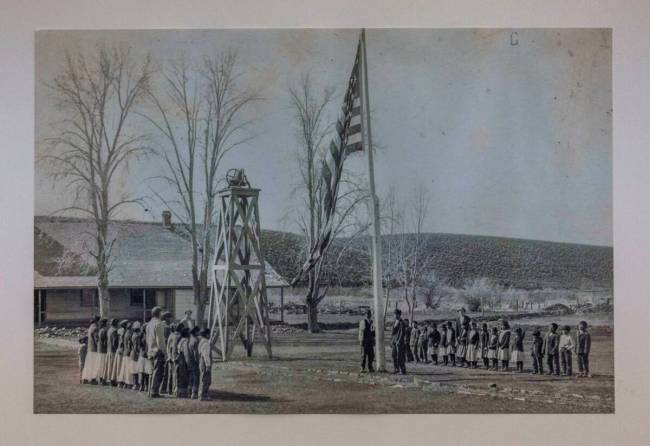
Under different presidential administrations, the U.S. has gotten closer to that international standard, Tsosie said.
Scholars say tribal sovereignty has been recognized in every presidency since the Nixon administration, when the president ended Indian termination policies aimed at assimiliating Natives into American society. In 2000, President Bill Clinton issued an executive order requiring tribal consulation, but many argued it was vague and unenforceable.
The Obama administration, in 2010, signed on to the U.N.’s Declaration on the Rights of Indigenous Peoples, with the then-president declaring that “what matters far more than any resolution or declaration – are actions to match those words.” However, the declaration is not legally binding and has no bearing on federal laws.
More concrete clarification of the consultation process came under the Biden administration, also the only period in American history when the Interior Department was run by an Indigenous person, Deb Haaland.
In a 2022 memorandum, the administration directed every federal agency to appoint a point of contact for tribal consultation. Another directive that year instructed agencies to give Indigenous knowledge a role in decision making as scientific evidence.
“This is through existing law. It’s no change in the statute or regulation,” said Mintzes, of Earthworks. “These are the low-hanging fruit. Simple, no-brainer stuff that is more likely to avert permitting delays or even litigation in the future.”
The White House did not respond to a request for comment in November inquiring if President Donald Trump has upheld the principles outlined in Biden’s memorandums. Trump’s mandate to establish American “energy dominance” has meant, in many cases, skirting federal reviews of mining projects where tribal consultation normally takes place.
Mining a given in McDermitt Caldera
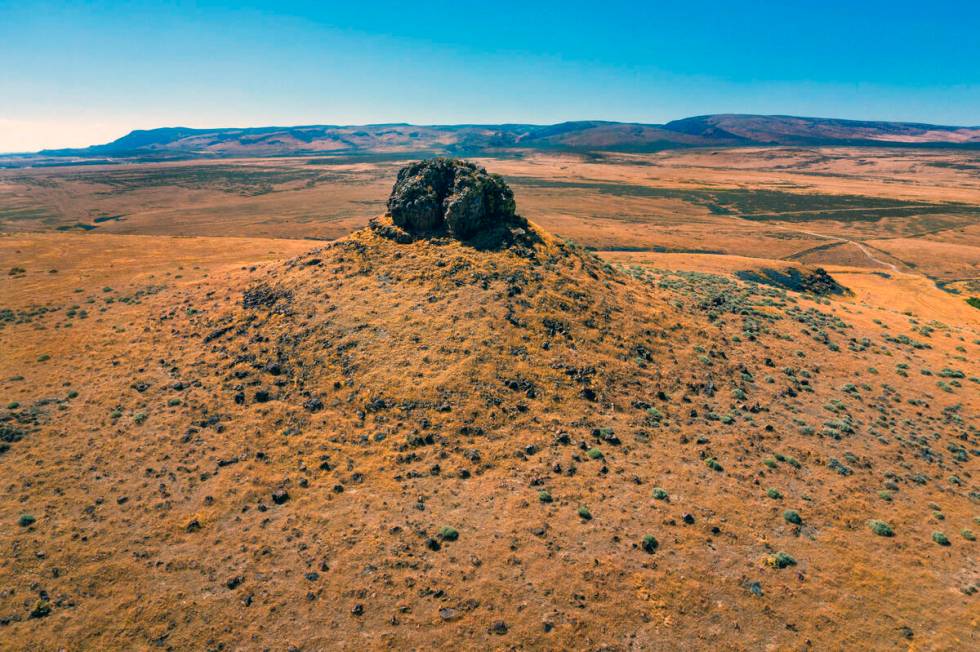
Some tribes have chosen to work in tandem with mining companies that have expressed interest in the McDermitt Caldera deposit, said Dackota York, chair of the Fort McDermitt tribe that is geographically closest to the Thacker Pass mine.
Her tribe did not join as a party to a lawsuit challenging the mine’s permits, but then-Chair Maxine Redstar wrote to the BLM in a May 2021 letter that she was “very concerned” that Lithium Americas’ plan for historical property was “developed and approved absent any Tribal input and government-to-government consultation.”
Redstar later wrote a letter of support for the mine on behalf of the tribal council.
Consultation between Lithium Americas and previous iterations of the tribal council, in York’s view, wasn’t up to par. That led her administration to try to renegotiate the terms of a confidential, legally binding community benefit agreement.
“Consultation isn’t just a letter,” York said. “Consultation is frequent.”
York’s tribal members remain somewhat divided on the future of mining, as do members of many other tribes.
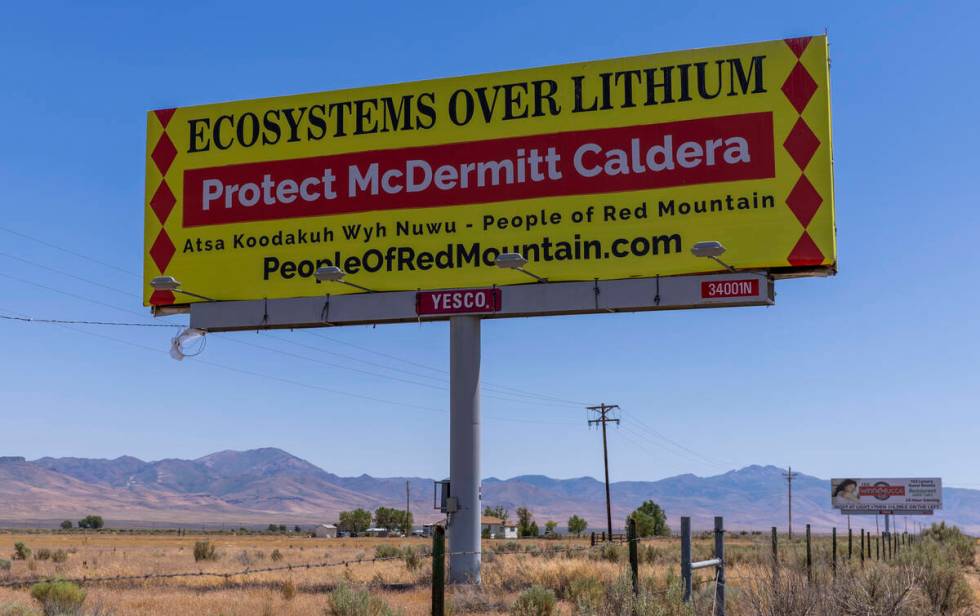
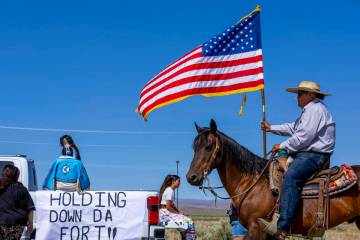
On the reservation and while driving along U.S. Highway 95 from Winnemucca to McDermitt, it’s impossible to miss the signs that call to protect PeeHee Mu’huh, a sacred site to some Native Americans who have unilaterally opposed all mining in the area. Other tribal members interviewed for this series were more hopeful about the mine bringing jobs and economic opportunities to Indian country.
When asked about whether the company maintains that its consultation was adequate, Lithium Americas spokesman Tim Crowley pointed to being “actively engaged” with York’s tribe dating back to 2007, when Western Lithium, the company that predates Crowley’s, initiated conversations.

More interest in deposit
Going forward, any mining company interested in the McDermitt Caldera — the valuable volcanic mineral deposit attracting the wandering eye of lithium developers around the world — must contend with the strong feelings on either side.
One company that has taken a different tack to engaging with the Fort McDermitt tribe is Jindalee Lithium, an Australian miner that refocused on lithium in the past three years.
Even though the company is only in the exploration phase of determining if a large-scale mine is viable, company CEO Ian Rodger said in an interview that engaging with York and the council early and often is a high priority.
“We know that these projects only really get up if they’ve got buy-in from the community and local tribal groups,” Rodger said in a September interview. “Our approach has been to try to involve tribal groups as part of our baseline studies. That engagement will continue.”
Rodger declined to comment on Lithium Americas’ handling of tribal consultation or specifics about whether his company is allowing the tribe’s cultural monitors to survey the site for remains or artifacts — something York has said is a way for companies to make their projects better. However, consultation is a massive part of the company’s ethos, he said.
A fraught future
Barlese, the Pyramid Lake Paiute elder, said the international visibility of Native conflicts with the lithium mine has drummed up more momentum than people could have imagined.
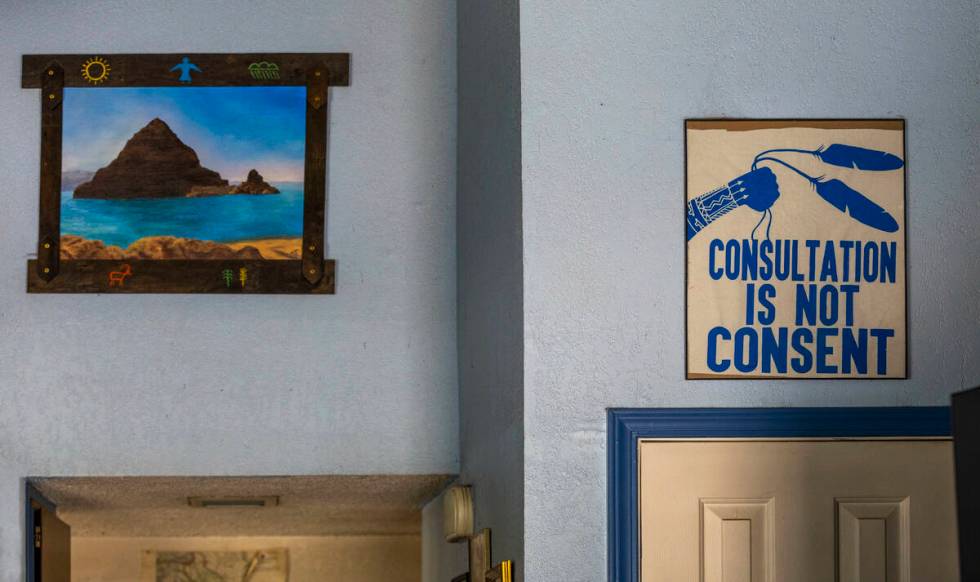
The mine construction is moving forward, but the message of the protest was received by the state, the country and the world, said Barlese, who proudly hangs a sign at home that declares “consultation is not consent.”
To BC Zahn-Nahtzu, who protested Thacker Pass in 2021 and faced civil charges alongside Barlese until a lawsuit was settled this year, the demonstrations weren’t for naught.
Fights to protect Indigenous land and sacred sites against extraction aren’t letting up — and neither should the people tasked with defending them, she said.
“These fights are coming, and we’ll need more people and more support,” said Zahn-Nahtzu, a member of the Reno-Sparks Indian Colony. “Even back then, years ago, I knew we were probably on the losing end. But people still need to do what they know is right if they have a heart for it.”
“It’s not just done and over. This was just the beginning.”
This series was made possible, in part, by a grant and fellowship from the Institute for Journalism and Natural Resources.
Contact Alan Halaly at ahalaly@reviewjournal.com. Follow @AlanHalaly on X.