Attorney asks Las Vegas jury to award $64.8M to woman injured while wearing lap belt
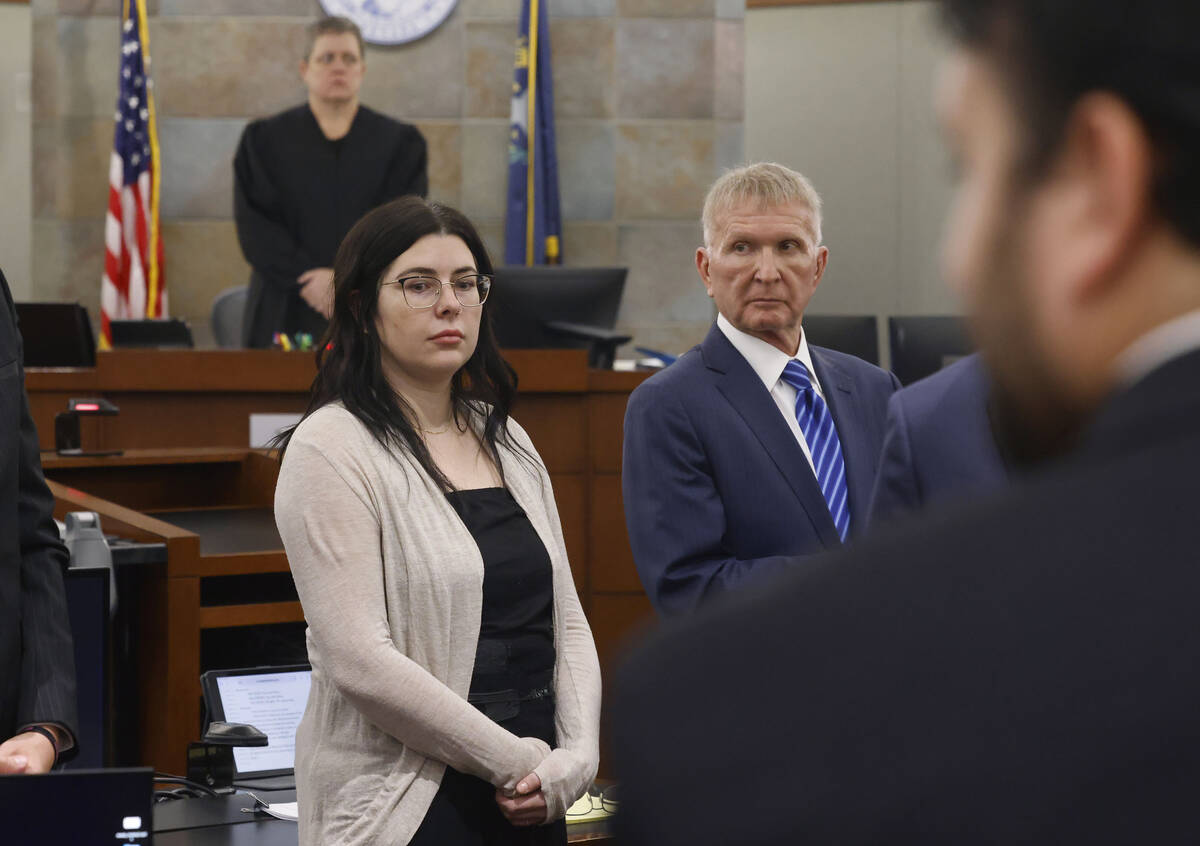








A prominent Las Vegas attorney asked a jury Thursday to award $64.8 million to a woman seriously injured in a crash while wearing a lap belt as a passenger in a pick-up truck.
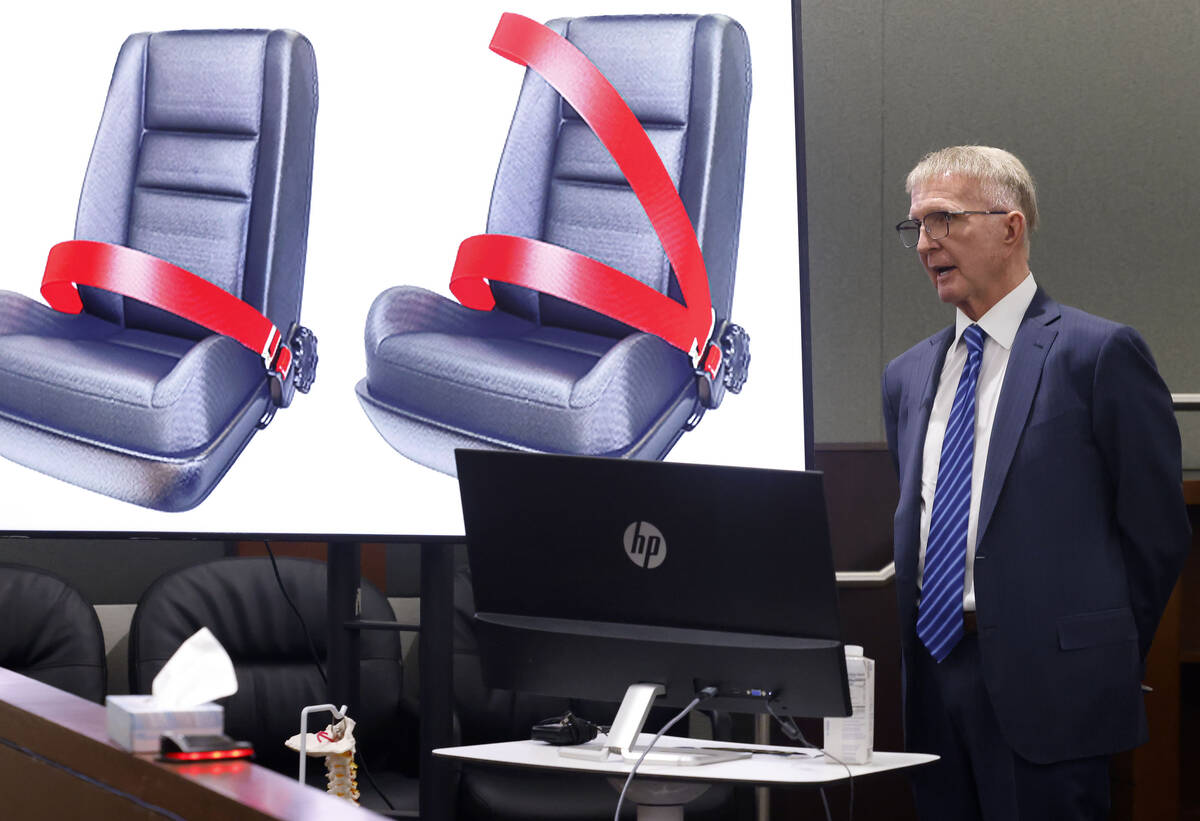
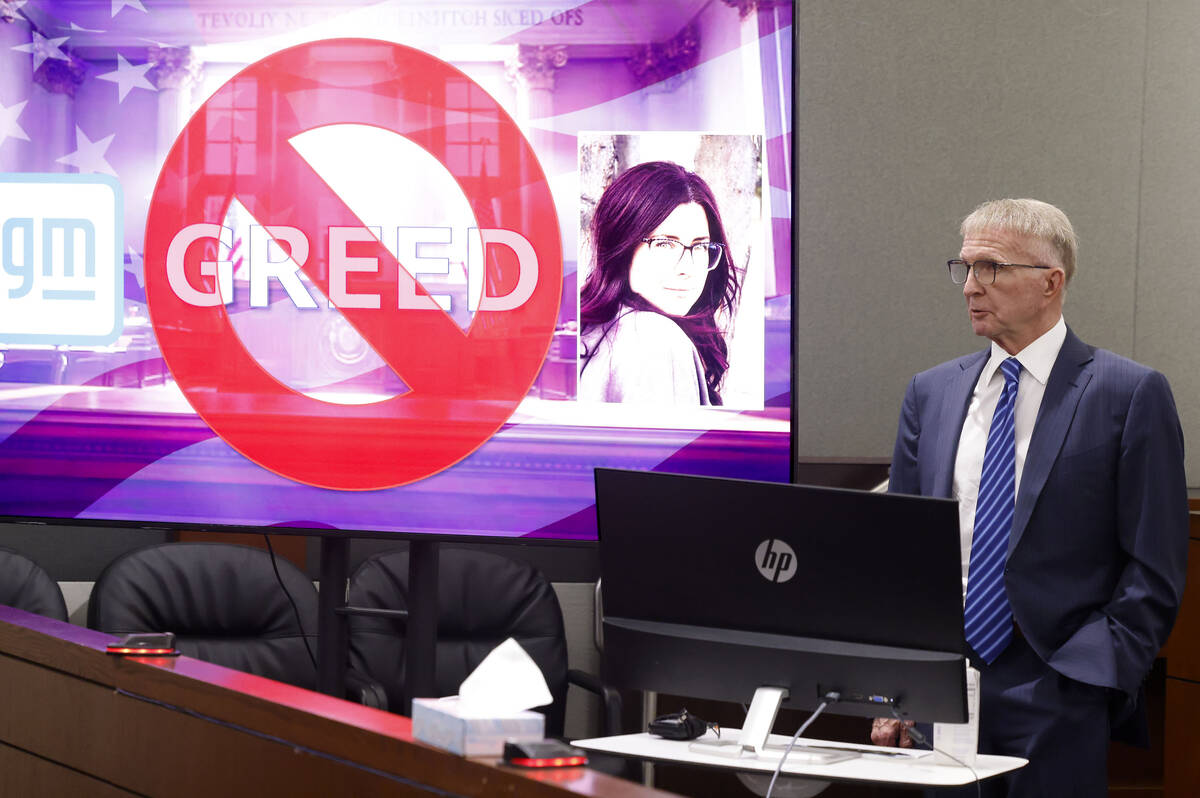
“Allie Mead did what every parent teaches our children to do,” said Robert Eglet, who represents Mead in her lawsuit against General Motors. “She buckled her seat belt. She followed the rules. She trusted that the company who designed and built that truck, designed and installed the seat belt, would protect her, not injure her, or at least warn her about potential dangers. That trust was shattered, like her spine, not by accident, but by not installing a lap-shoulder seat belt in the seat Allie sat in.”
Defense attorney Michael Cooney argued the plaintiff did not prove a lap-only belt in the rear center of the truck was “unreasonably dangerous.”
“The evidence says that these belts perform safely, protect occupants, reduce risk of injury or death” and have been encouraged, he said.
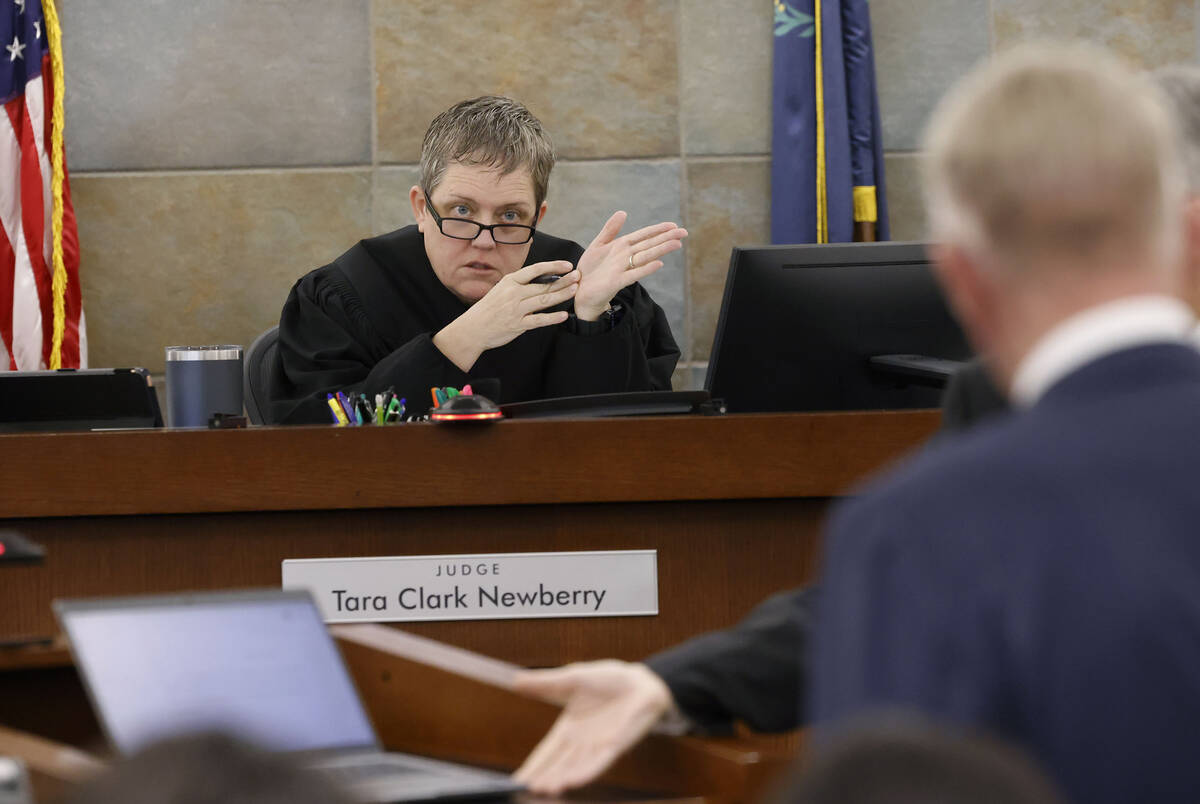
At that comment, Eglet asked for a bench conference with District Judge Tara Clark Newberry, who then told jurors that an objection was sustained and that they should disregard the statement.
Jurors began deliberations Thursday afternoon and are expected to continue considering the case Friday morning.
Newberry has already ordered that Mead will receive over $8.6 million in “special damages” for things like loss of wages and cost of medical treatment if the plaintiff’s side obtains a finding that the seat belt was unreasonably dangerous or the company failed to warn about it, Eglet said after court.
Eglet’s firm sued General Motors in 2020.
On Aug. 18, 2018, around 1:50 a.m., Mead was riding in a 1998 Chevrolet truck when the vehicle collided with a tree and a boulder, and Mead suffered “severe personal injuries and substantial bodily harm,” her lawsuit stated.
At the time, Mead sat on the rear seat of the truck and was restrained by a two-point lap belt, according to the complaint.
The suit alleged that the lap belt had a “negligent and improper design.”
A lap and shoulder seat belt was the safest at the time and was economically feasible, but General Motors installed a dangerous belt instead, Eglet told jurors.
“The lap-only belt snapped her forward like closing a jack knife,” he said, adding, “the seat belt that was supposed to protect her became the weapon that destroyed her.”
According to a news release, Mead suffered a spinal fracture, ruptured colon and abdominal trauma.
Mead’s injuries included damage to her neck, vertebrae and bowels, according to Eglet. She lives with unceasing pain, he said, and will require more spine surgeries in the future, as well as other operations. He said she has also been diagnosed with PTSD and major depressive disorder.
Cooney, the defense attorney, acknowledged that a seat belt can cause injury, but said that a seat belt is not defective because it does so. The seat belt attempts to essentially redistribute energy and prevent users from being propelled forward, he said, and all seat belts can injure people.
“That lap belt did its job here,” he said.
Eglet said Mead should receive $2 a minute for past physical and mental pain, $2 a minute for past loss of quality of life and $2 a minute for projected future pain and loss of quality of life.
Those amounts would total $64.8 million, he said.
Cooney said the amount Eglet requested in damages was “nowhere in the universe of reasonable.”
Eglet did not ask for punitive damages. After court, he said that was because General Motors received an exemption from punitive damages on older vehicles as part of its recession-era bailout.
Otherwise, he said, “I would’ve been asking for billions.”
But he still emphasized to the jury that the case could have a larger impact.
“Your verdict will speak for everyone who’s ever trusted a seat belt to protect them,” he told jurors.
Contact Noble Brigham at nbrigham@reviewjournal.com. Follow @BrighamNoble on X.