Bickering Colorado River states ‘going nowhere’ with days left for deal



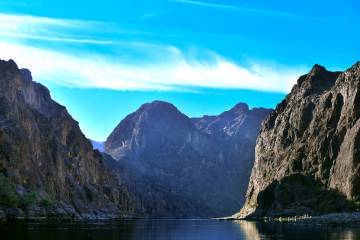


Seven Colorado River states appear to have made little progress on a deal that will have wide-reaching implications for the limited water supply that fuels the arid American West.
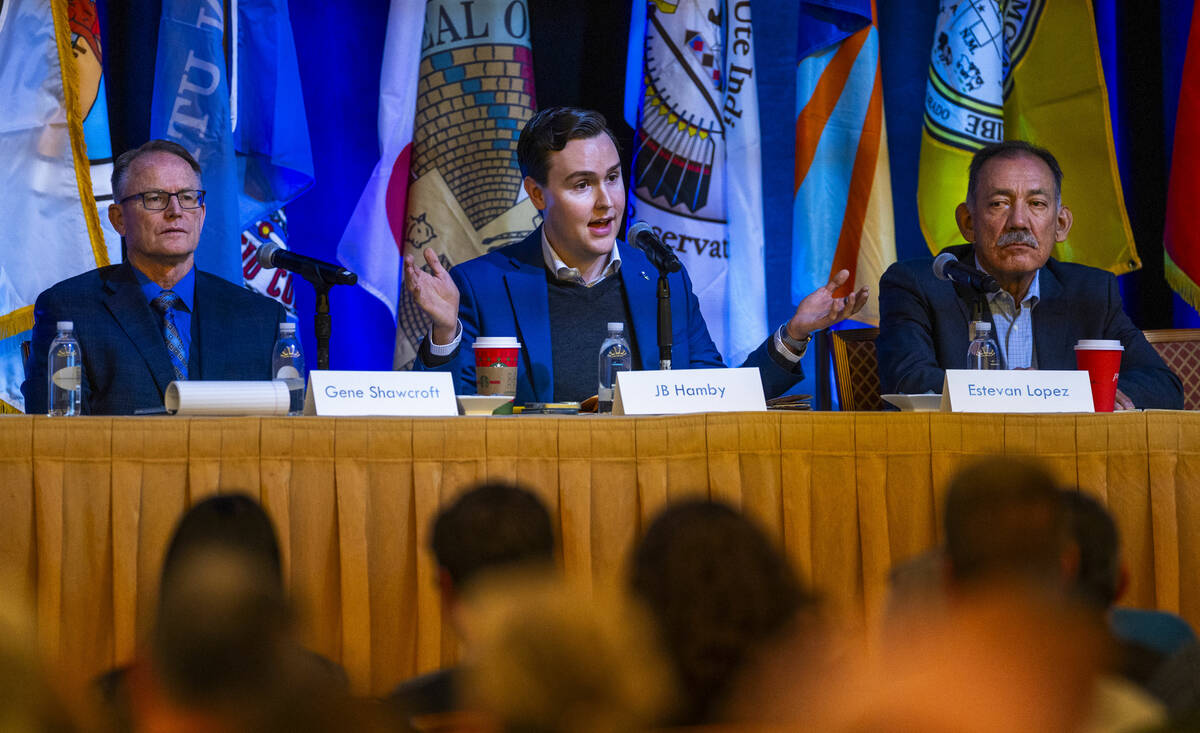
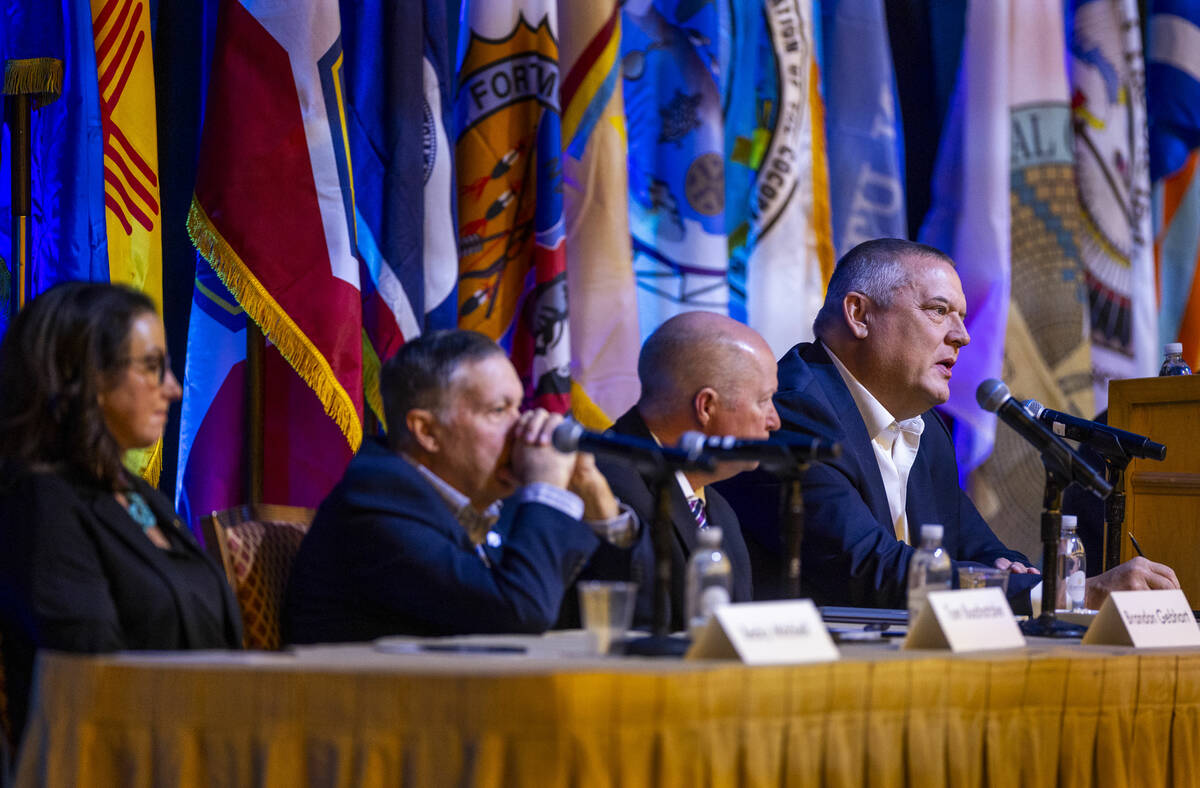
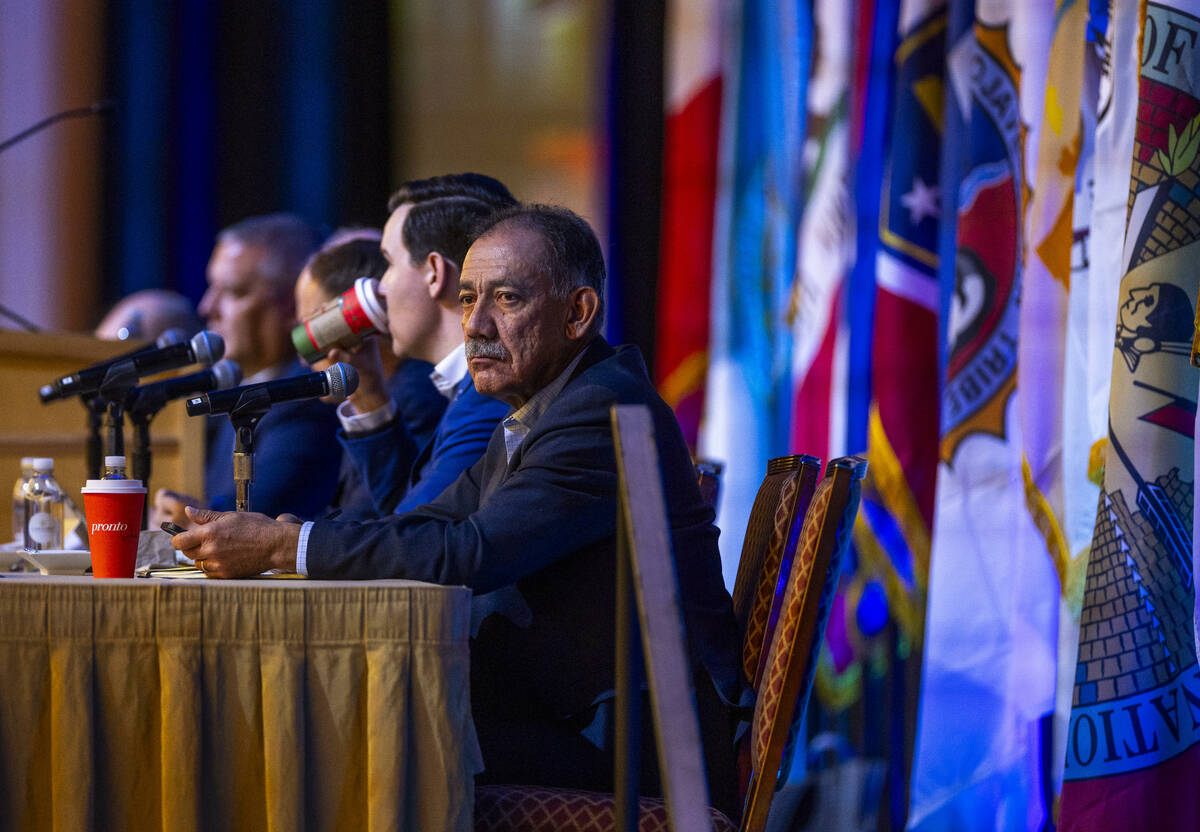
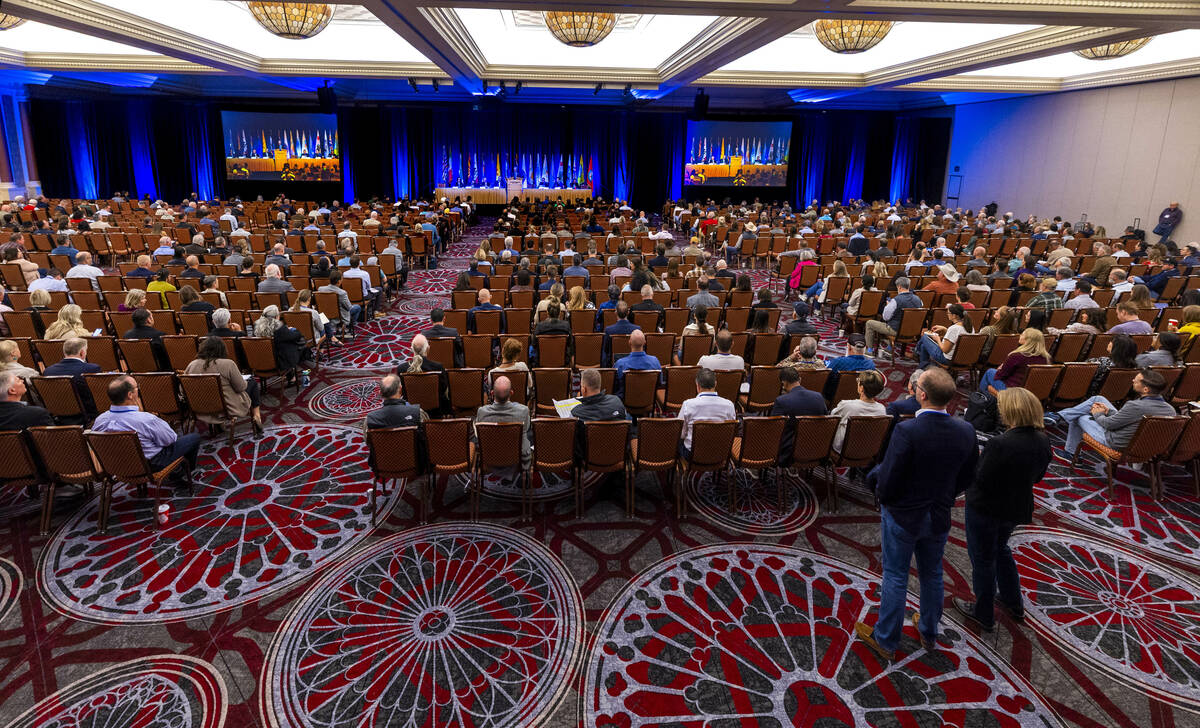
Added at the end of the agenda of this week’s three-day Colorado River Water Users Association conference at Caesars Palace, each state’s governor-appointed negotiator spoke on a joint panel Thursday morning that was meant to update the public about where interstate talks stand.
What comes of the negotiations will have lasting consequences for the economies of the Colorado River Basin, from farmers in California’s Imperial Valley and Yuma, Arizona, who grow the nation’s winter vegetables to the fast-growing cities of Phoenix, Las Vegas and Denver.
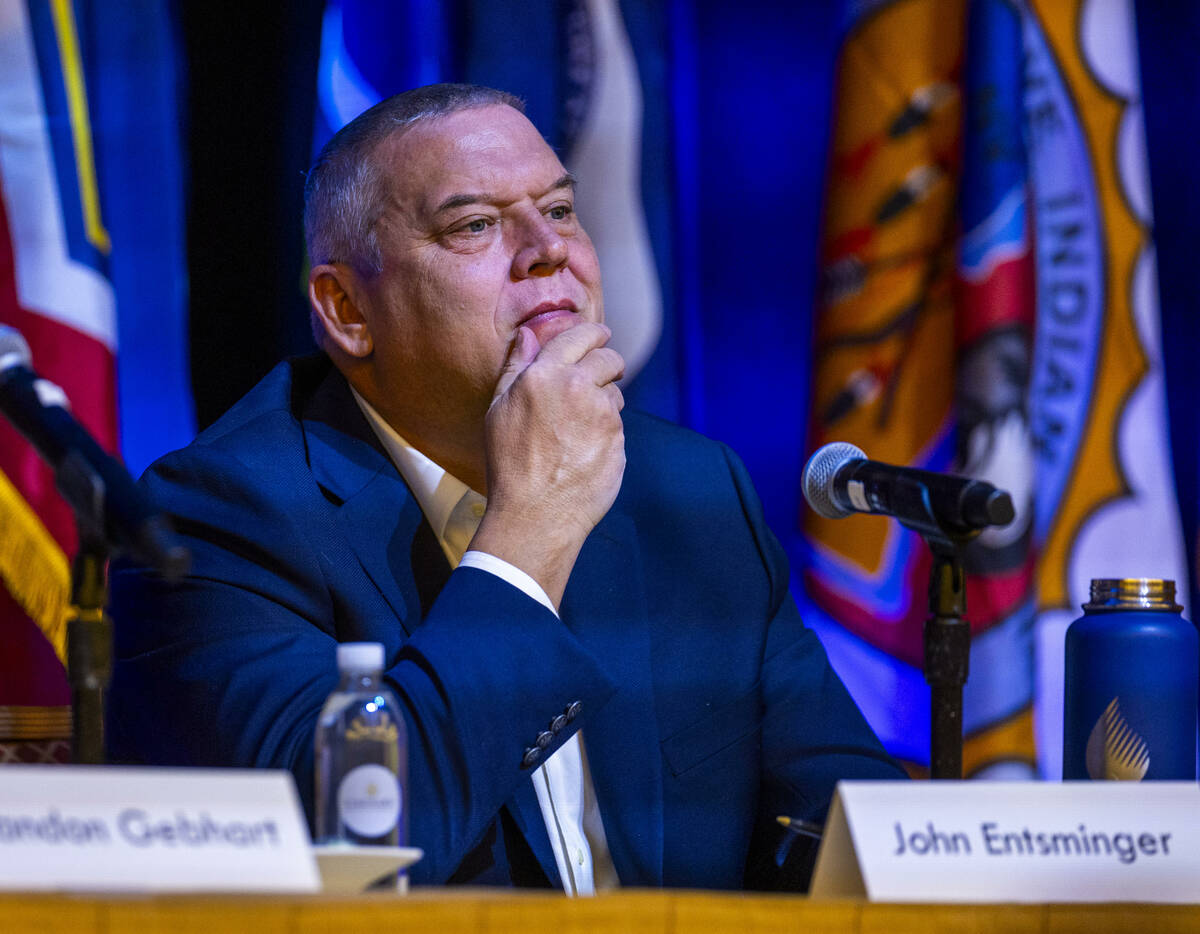
John Entsminger, general manager of the Southern Nevada Water Authority, spoke last after each negotiator pulled a card that determined the order. He seemed unimpressed with the remarks of his counterparts, especially now that less than 60 days remain for states to meet a looming Valentine’s Day deadline for a deal set by Interior Secretary Doug Burgum.
Entsminger told the crowd he believes the best-possible outcome is a five-year agreement, rather than a 20-year one.
“If you distill down what my six partners just said, I believe there’s three common things: Here’s all the great things my state has done; here’s how hard-slash-impossible it is to do any more, and here are all the reasons why other people should have to do more,” Entsminger said. “As long as we keep polishing those arguments and repeating them to each other, we are going nowhere.”
Questions still swirl
One particular sticking point has thus far divided two coalitions of states.
Nevada, California and Arizona — making up the Lower Basin — have agreed to shoulder the so-called “structural deficit” of the Colorado River, or the gap between supply and demand. That cut of 1.5 million acre-feet has been their burden alone, though hydrologists aren’t optimistic that those reductions will be enough.
Beyond those cuts, the Upper Basin states of Colorado, Utah, New Mexico and Wyoming say that diminishing water supply made worse by climate change has made it so they cannot take any more reductions.
“It is a huge step,” Upper Colorado River Commissioner Becky Mitchell, of Colorado, said of the Lower Basin’s commitment. “But what Mother Nature has said is she is demanding more. And where do we go from there?”
That is the major question underpinning these contentious negotiations.
Tom Buschatzke, director of Arizona’s Department of Water Resources, said he would need to go before the Arizona Legislature should the state have to reduce usage past the structural deficit because of state laws surrounding the Colorado River Compact of 1922.
“I do not think there is anything on the table from the Upper Basin that would come tell me to do that today,” he said.
Should cuts be shared?
But the Upper Basin states say they don’t have more water to give.
Estevan López, who represents New Mexico on the Upper Colorado River Commission, said the Upper Basin states do not use their full allowance of water under the 1922 compact.
“In some of these negotiations, we’ve often heard, ‘We’re feeling a lot of pain down here in the Lower Basin.’ I know they are. We’ve also heard, ‘You guys need to feel pain also.’ We feel it. Our water users feel that pain. It’s real,” López said.
In the next few weeks, the Bureau of Reclamation has indicated it will release a draft environmental impact statement that will consider a wide range of possibilities. The deadline of Feb. 14 stands for the state negotiators to deliver a seven-state consensus.
“Time has been wasted like water,” said JB Hamby, chair of the Colorado River Board of California. “That’s a very precious resource. We need to live with the river that we have, not the one that we wish we had in 1922.”
Contact Alan Halaly at ahalaly@reviewjournal.com. Follow @AlanHalaly on X.