California’s largest wildfire in history reaches 450 square miles

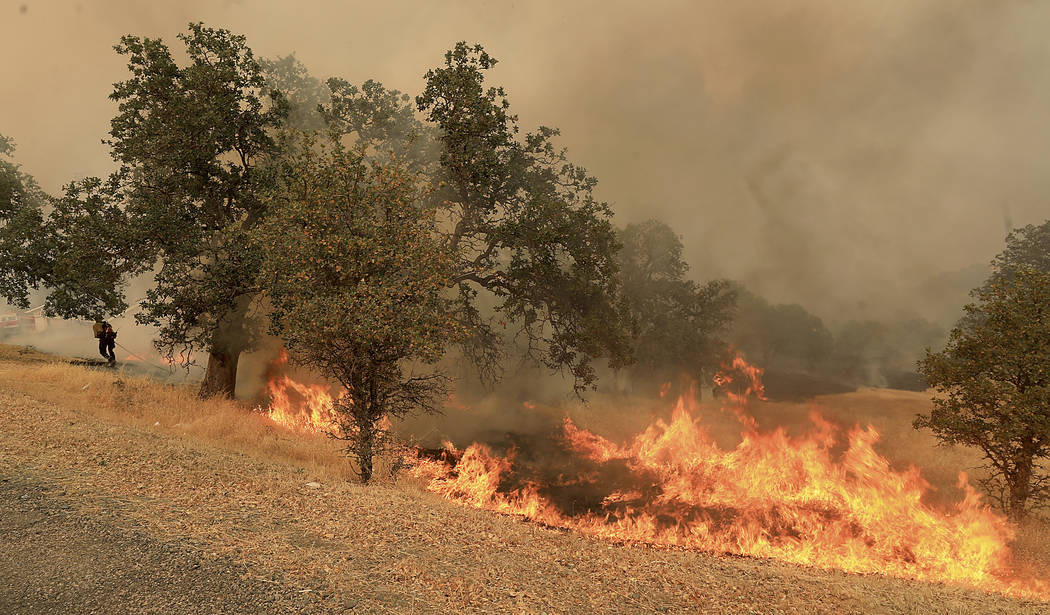

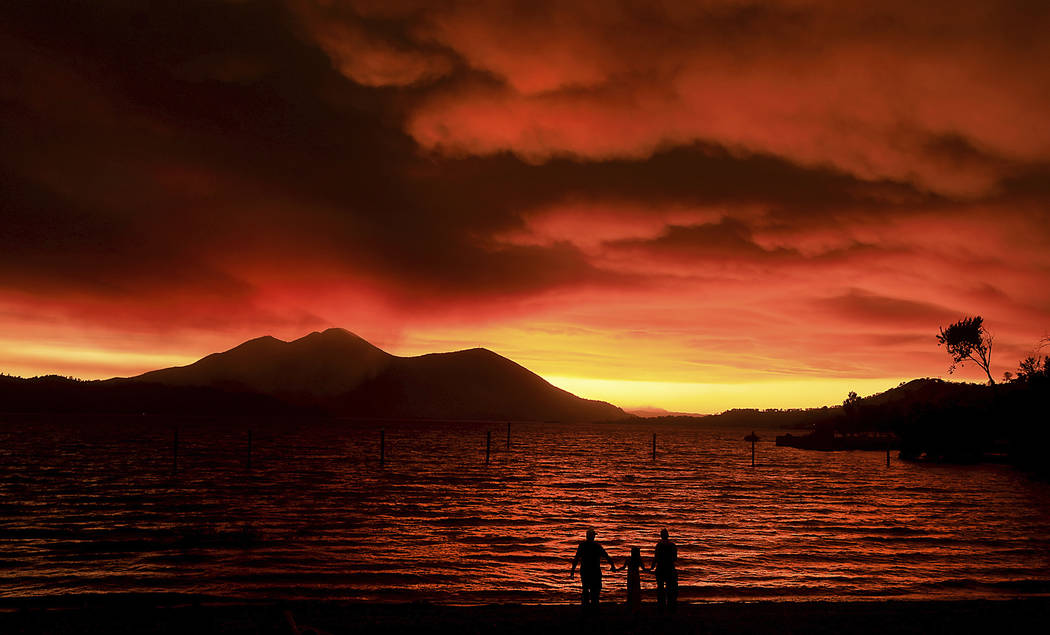

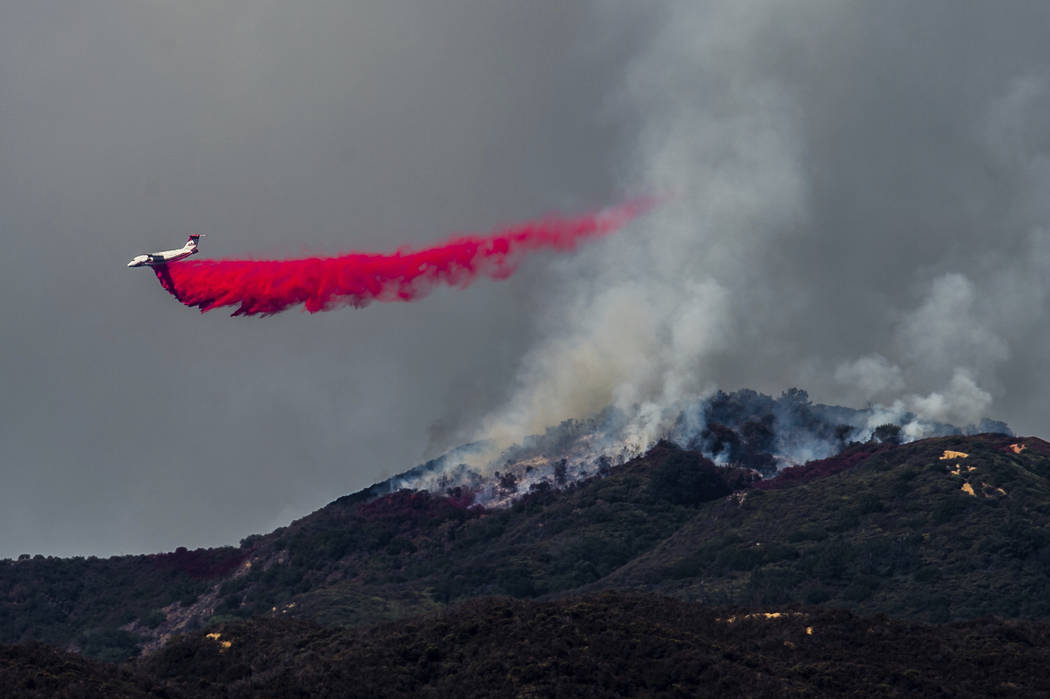
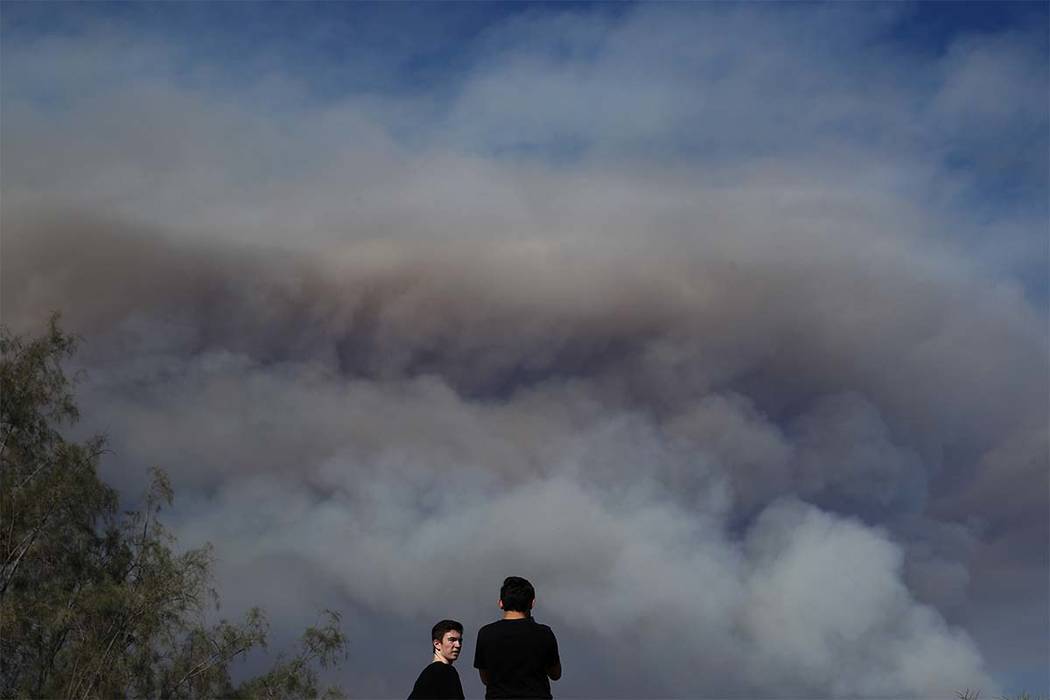
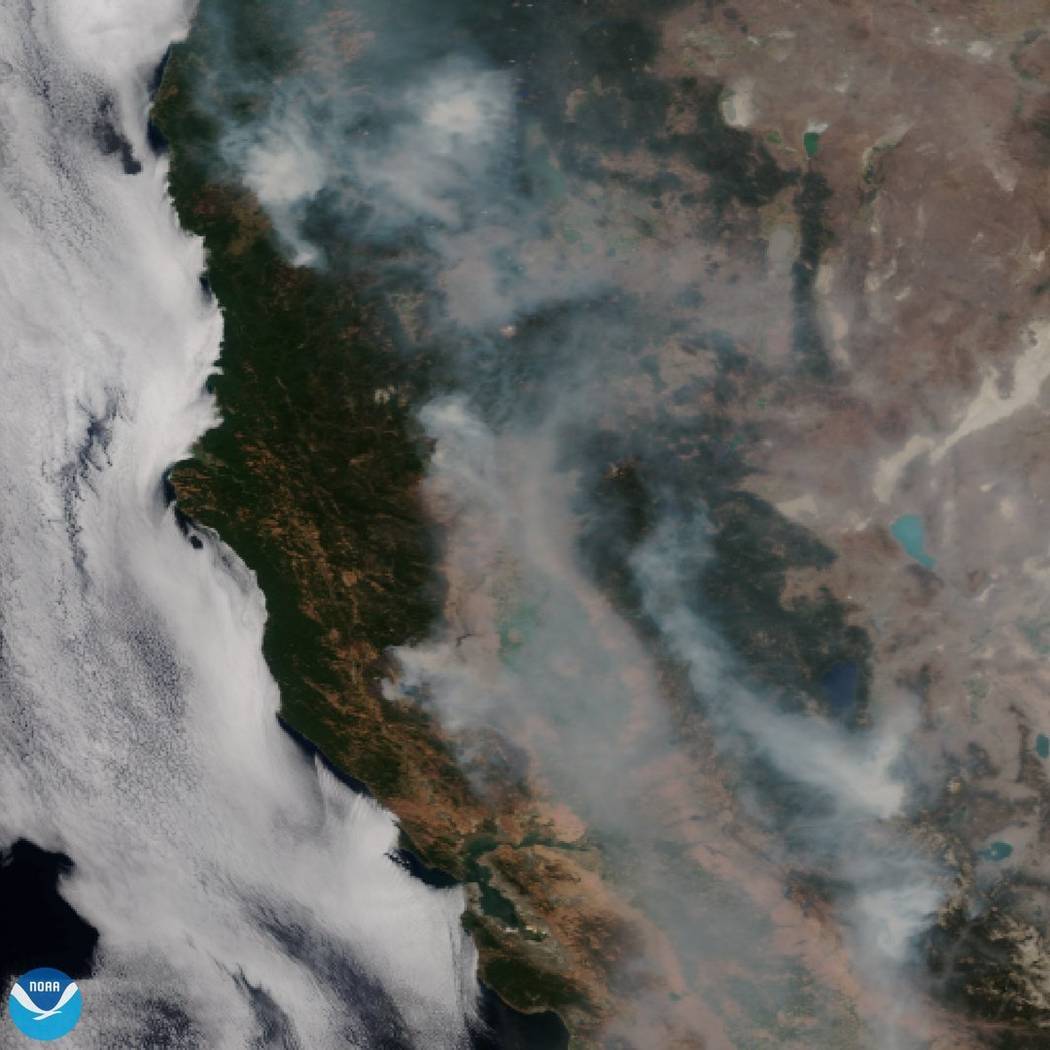





Firefighters struggled against rugged terrain, high winds and an August heat wave Tuesday to slow the spread of the biggest wildfire ever recorded in California, an inferno that exploded to more than 450 square miles in just 11 days.
The blaze, centered near the community of Upper Lake, about 100 miles north of San Francisco, spread fast because of what officials said was a perfect combination of weather, topography and abundant vegetation turned into highly flammable fuel by years of drought.
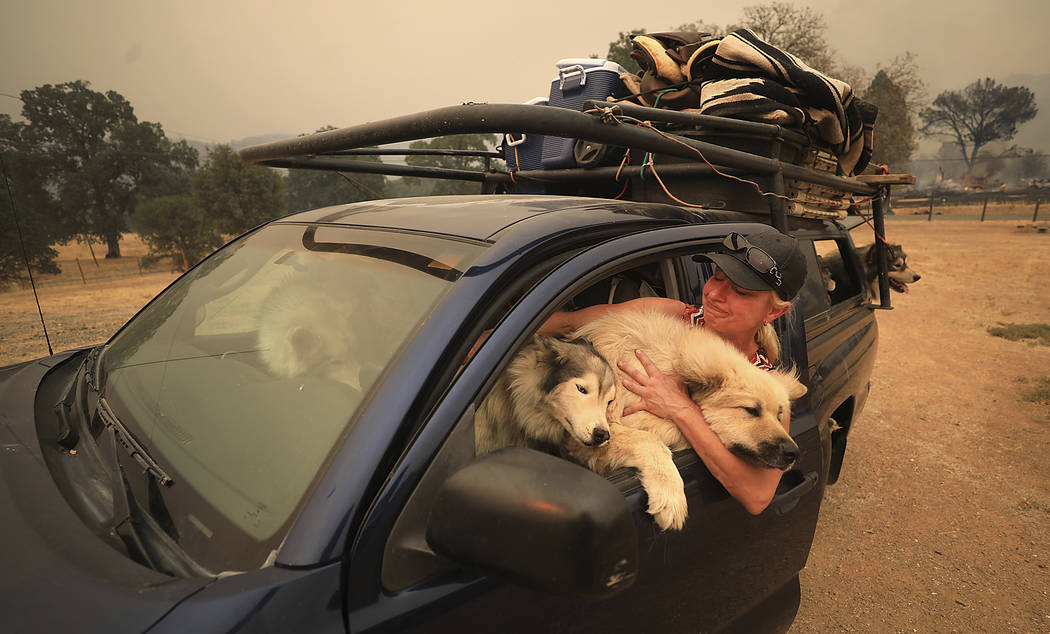
The flames were raging in mostly remote areas, and no deaths or serious injuries were reported. But at least 75 homes have been lost, and thousands of people have been forced to flee. The blaze, dubbed the Mendocino Complex, was reported 20 percent contained.
Its rapid growth to an area the size of Los Angeles at the same time firefighters were battling more than a dozen other major blazes around the state fanned fears that 2018 could become the worst wildfire season in California history.
“For whatever reason, fires are burning much more intensely, much more quickly than they were before,” said Mark A. Hartwig, president of the California Fire Chiefs Association.
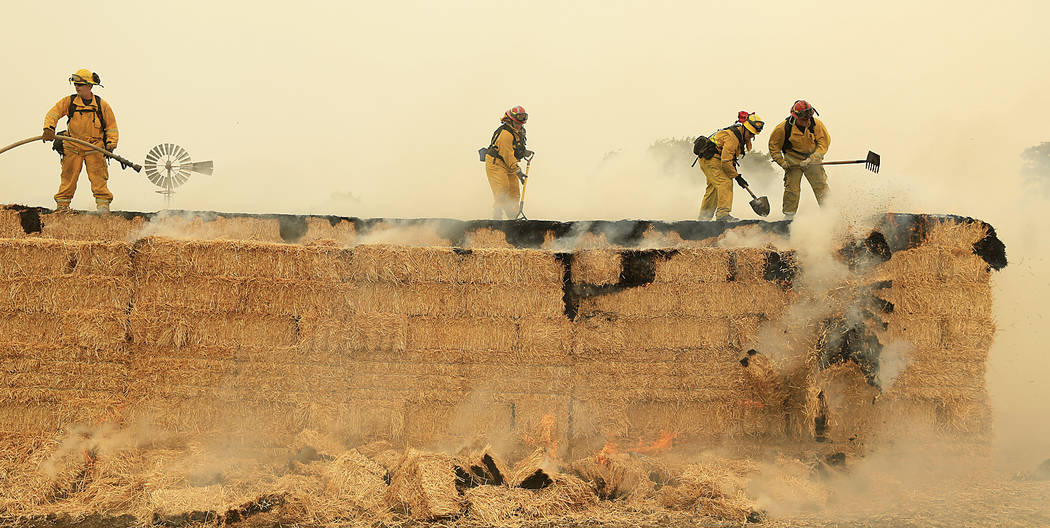
About 3,900 firefighters, including a crew of 40 volunteers from New Zealand, were battling the blaze, contending with temperatures in the high 90s and winds gusting to 25 mph.
The area has few roads that can serve as firebreaks, and firefighters instead fell back to natural barriers like streams or used bulldozers to cut fire lines.
But the flames were moving so fast in spots that they blew past fire lines, forcing firefighters to retreat, said Battalion Chief Jonathan Cox of the state Department of Forestry and Fire Protection, or Cal Fire.
“There’s no way you’re going to stop that fire,” said Kyle Coleman, 28, who returned to his childhood home last week to help his father try — in vain, it turned out — to protect it. “A big wall of flames came over the mountain. … I pretty much got my dad out of there.”
In all, 14,000 firefighters were battling blazes across California, which is seeing earlier, longer and more destructive wildfire seasons because of drought, warmer weather attributed to climate change, and the building of homes deeper into the forests.
“Cal Fire is really an urban firefighter service in the woods,” said Arizona State University professor Stephen Pyne, a wildfire management expert.
The Mendocino Complex is actually two blazes burning so close together that authorities are attacking them as one, a common practice at Cal Fire. The fires started July 27 within an hour of each other and about 15 miles apart. As of Tuesday, they were separated by just a few miles. Officials have not determined the cause of either one.
In becoming the biggest fire in California history, the Mendocino Complex fire broke a record set just eight months ago. A blaze in Southern California in December killed two people, burned 440 square miles and destroyed more than 1,000 buildings.
Crews also gained ground this week against another Northern California wildfire, one that destroyed more than 1,000 homes in and around the city of Redding and was blamed for at least six deaths.
Meanwhile, a blaze burning near Yosemite National Park has been raging for nearly a month but is still just one-third as large as the biggest fire, though dense smoke has closed much of the park to visitors for the past two weeks.
California’s firefighting costs have more than tripled from $242 million in the 2013 fiscal year to $773 million in the 2018 fiscal year that ended June 30, according to Cal Fire.
“We’re in uncharted territory,” Gov. Jerry Brown warned last week. “Since civilization emerged 10,000 years ago, we haven’t had this kind of heat condition, and it’s going to continue getting worse. That’s the way it is.”
——
Associated Press writers Don Thompson in Sacramento, California and Lorin Eleni Gill and Olga Rodriguez in San Francisco also contributed to this report.
The Mendocino Complex, which is 30 percent contained, has been less destructive to property than some of the other wildfires in the state because it is mostly raging in remote areas. But officials say it threatens 11,300 buildings and some new evacuations were ordered over the weekend as the flames spread.
Hotter weather attributed to climate change is drying out vegetation, creating more intense fires that spread quickly from rural areas to city subdivisions, climate and fire experts say. But they also blame cities and towns that are expanding housing into previously undeveloped areas.
More than 14,000 firefighters are battling more than a dozen major blazes throughout California, state Department of Forestry and Fire Protection spokesman Scott McLean said.
“I can remember a couple of years ago when we saw 10 to 12,000 firefighters in the states of California, Oregon and Washington and never the 14,000 we see now,” he said.
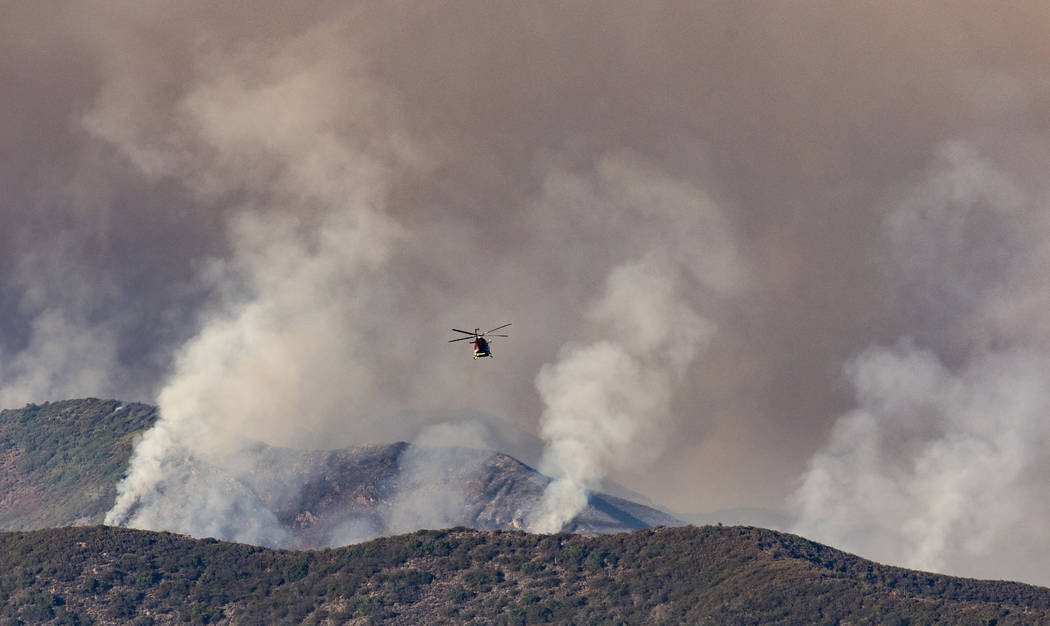
Crews made progress over the weekend against one of the two blazes in the Mendocino Complex with help from water-dropping aircraft, Cal Fire operations chief Charlie Blankenheim said in a video on Facebook.
But the other one is growing after spreading into the Mendocino National Forest.
Meanwhile, a new fire erupted south of Los Angeles in Orange County on Monday and quickly spread through the chaparral-covered ridges of the Cleveland National Forest. Campgrounds and homes in Holy Jim Canyon were ordered evacuated. The fire sent up an enormous pillar of smoke and ash.
Crews also gained ground against another Northern California wildfire that has destroyed more than 1,000 homes in and around the city of Redding. It was nearly halfway contained, Cal Fire said. That wildfire about 225 miles (360 kilometers) north of San Francisco started more than two weeks ago by sparks from the steel wheel of a towed-trailer’s flat tire. It killed two firefighters and four residents and displaced more than 38,000 people.
The fires in Northern California have created such a haze of smoke in the Central Valley that Sacramento County health officials advised residents to avoid outdoor activities for the entire week.
Another blaze that ignited last week in the Sierra Nevada has damaged a historic Northern California resort in the Stanislaus National Forest. The nearly century-old Dardanelle Resort has sustained massive structural damage, though the details were unclear, the Sacramento Bee newspaper reported.