EDITORIAL: Commission shouldn’t shunt voters on fuel tax
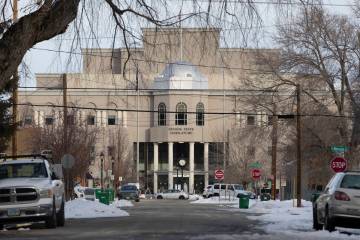

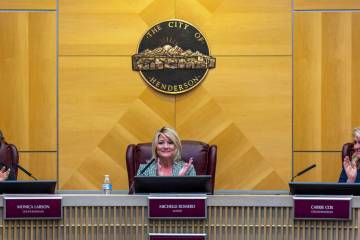

The Clark County Commission will soon consider extending a fuel tax program that helps pay for local road improvements. The result is a foregone conclusion. But if commissioners have any respect for democracy and the taxpayers, they’ll put the matter on the ballot rather than act unilaterally.
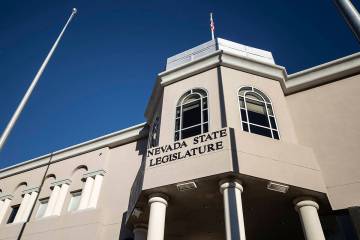
Back in 2013, state lawmakers gave the commission the power to increase the local gasoline tax and then index it to an inflation measure through 2016. The move provided cover for lawmakers worried about the political liability associated with actually voting to raise taxes. But the legislation wisely included a provision demanding that Clark County voters approve any extension of the tax beyond 2016.
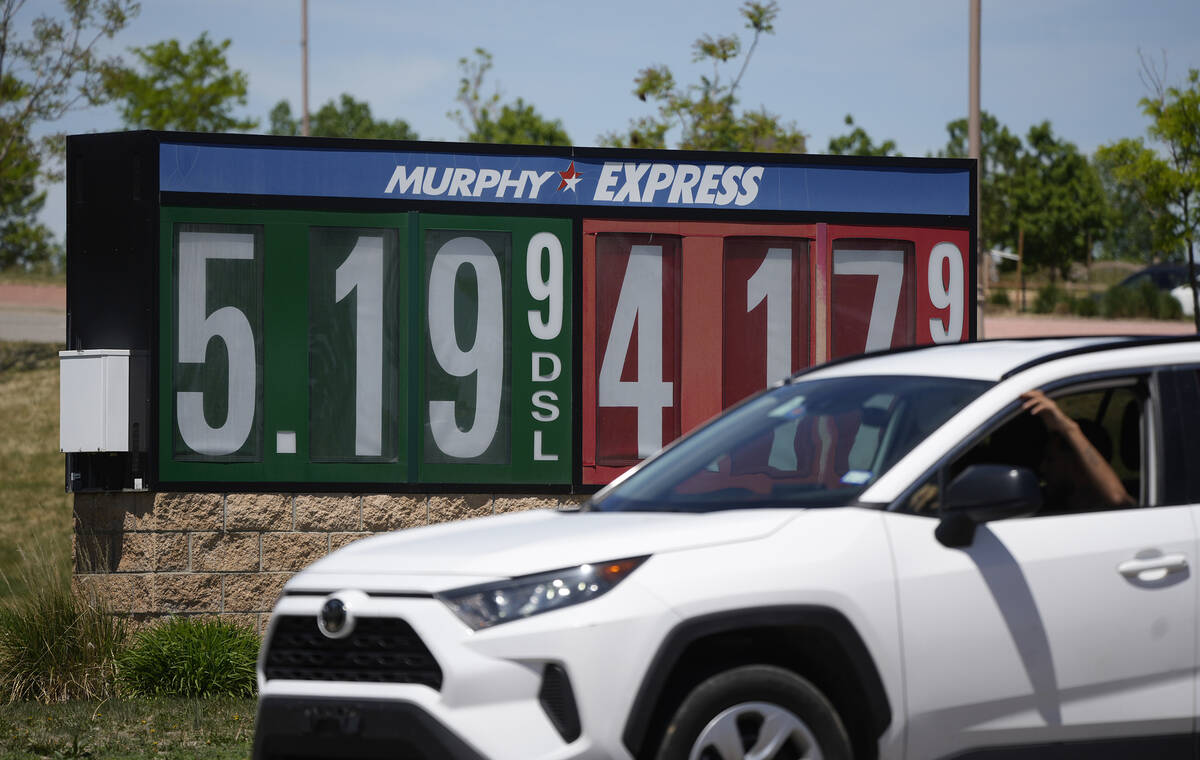
The commissioners eventually voted 6-1 to enact the increase as a means of generating revenue for road projects. In 2016, the ballot question asking voters to keep the levy in place through 2026 passed easily, 56-44. Over the years, the tax has raised more than $1 billion. It takes in around $160 million annually. In return, Clark County residents pay nearly 76 cents a gallon in taxes — 23 cents of that attributable to local fuel indexing — each time they fill up the tank.
But with the extension nearing its expiration date, Democratic lawmakers in Carson City moved to eliminate the voter check from the equation. In 2023, they approved legislation allowing the Clark County Commission to keep the tax hike on auto-pilot without input at the ballot box. Gov. Joe Lombardo wisely vetoed the proposal, noting that “a decision on this issue, which impacts household budgets every day, is most appropriately rendered by the voters.”
Unfortunately, the governor apparently developed amnesia when he relented and signed similar legislation this year.
This thumb in the eye from lawmakers and the governor to Clark County residents is even more disappointing given that the 2016 ballot question, according to a fact sheet from the Guinn Center for Policy Priorities, assured residents that “additional increases to the motor vehicle and various special fuels taxes would be prohibited after December 31, 2026, unless a majority of registered voters in Clark County approve a continuation of (indexing) in November 2026.”
In other words, voters acted a decade ago with the understanding that they would have a chance to revisit the gasoline tax indexing plan a decade down the road. That turned out to be a cynical deception.
The County Commission will hold a public hearing on the matter next month. But if the commissioners want to do the right thing, they’ll ignore the Legislature, put the extension back on the ballot and trust their constituents to make the right decision. It’s the democratic way.