Study highlights new water-saving tool to help Colorado River Basin



CARSON CITY — A new study suggests that government entities in the seven-state, drought-stricken Colorado River Basin could save 40,000 acre-feet of water each year using a process called performance contracting to improve conservation efforts.
Another 24,000 acre-feet, including 1,400 acre-feet in Nevada, could be saved by using the same process to install high-tech water meters, the study says. The savings would come about from additional conservation by customers, who would see their bills increase as their usage was more accurately measured.
More accurate readings with new water meters also would increase revenues to utility companies by capturing use that is not now identified with older meters, the study says. New income for water utilities from the smart meters is estimated at $593 million, including $30 million to Nevada providers statewide.
The water savings could supply more than 150,000 homes per year, according to the report: "Tapping the Power of the Market: Financial, Energy and Water Savings, and New Revenue Streams through Performance Contracting in the Colorado River Basin States."
One acre-foot of water is enough to supply two average Las Vegas Valley homes for a little over a year.
The market study, prepared by the nonprofit group Western Resource Advocates and McKinstry, a design-build firm, found that public entities such as schools and cities could save $859 million annually by using performance contracting for energy and water efficiency projects. Such projects would pay for themselves.
Performance contracting is a mechanism that allows public entities to quickly perform comprehensive energy and water retrofit projects in public buildings using a qualified private energy services company.
Water conservation projects that could be performed for government entities include upgrading boilers and installing low-flow toilets.
Savings on water or electric bills resulting from the installation of energy and water conservation measures are guaranteed by a contracted energy services company to exceed the financing costs necessary to implement the upgrades. If the realized savings do not exceed the financing costs, the energy services company makes up the difference.
"The energy and water conservation benefits, as well as the fiscal savings, are staggering," said Jorge Figueroa, co-author of the report and senior policy analyst at Western Resource Advocates. "Schools and government need to understand how powerful and financially effective performance contracting can be."
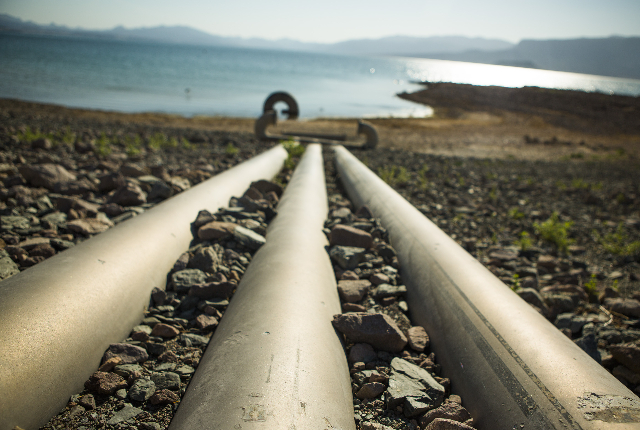
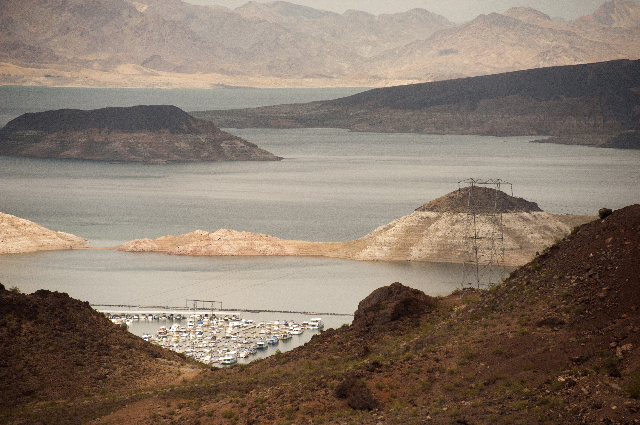
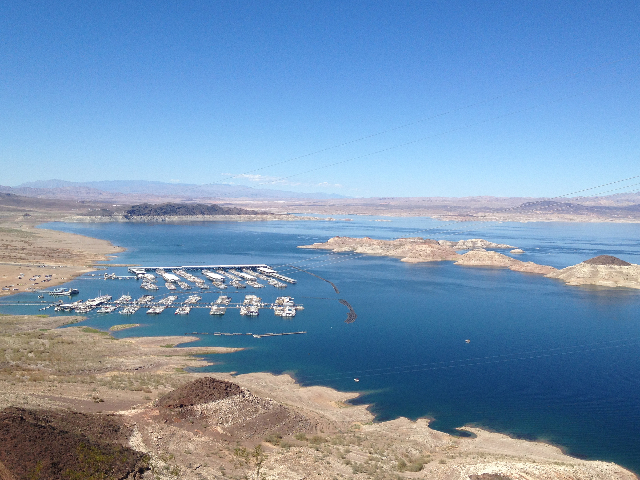
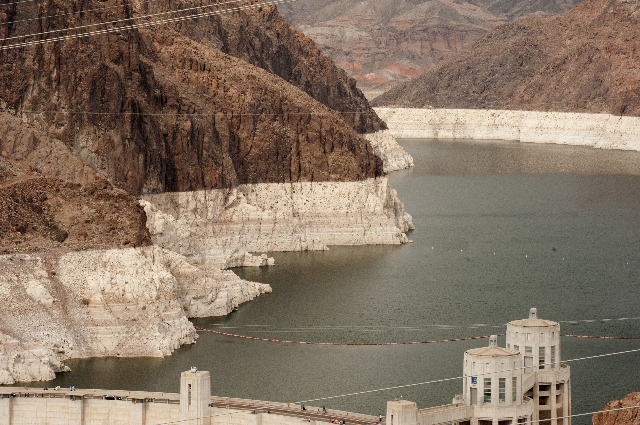
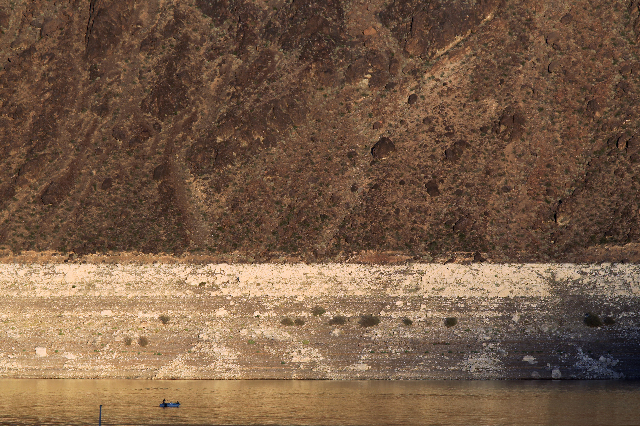
The report notes that Lake Mead, which supplies 90 percent of Southern Nevada's water supply, hit an historic low in May this year and is already over allocated. A major infrastructure project is under way to ensure Las Vegas can continue to tap the reservoir for its water supply.
"This study spotlights a powerful tool to address two of the Colorado River Basin’s most pressing needs: water conservation and energy savings," said Leslie Larocque, director of McKinstry's Rocky Mountain region. "We believe this approach can help public entities clear the financial hurdles to implementing important water and energy conservation efforts."
Figueroa said Nevada and Colorado are models of best practices for performance contracting, but the focus has been primarily on energy savings. The water conservation potential using performance contracting might become a more significant element of such programs given the ongoing drought and population increase projected for the Colorado River Basin in coming decades, he said.
"We urge public officials and decision-makers to carefully consider this report and its recommendations to help realize the tremendous resource savings and revenue opportunities that performance contracts can offer public facilities and communities in the Colorado River Basin states," the report's authors say.
Contact Sean Whaley at swhaley@reviewjournal.com or 775-687-3900. Find him on Twitter: @seanw801.
RELATED
Climate change will increase evaporation of Colorado River
Colorado River drought impact tracked from space
May showers bring better outlook for Colorado River, but no miracle