Here’s how to track enforcement of Nevada’s extreme heat regulation for workers
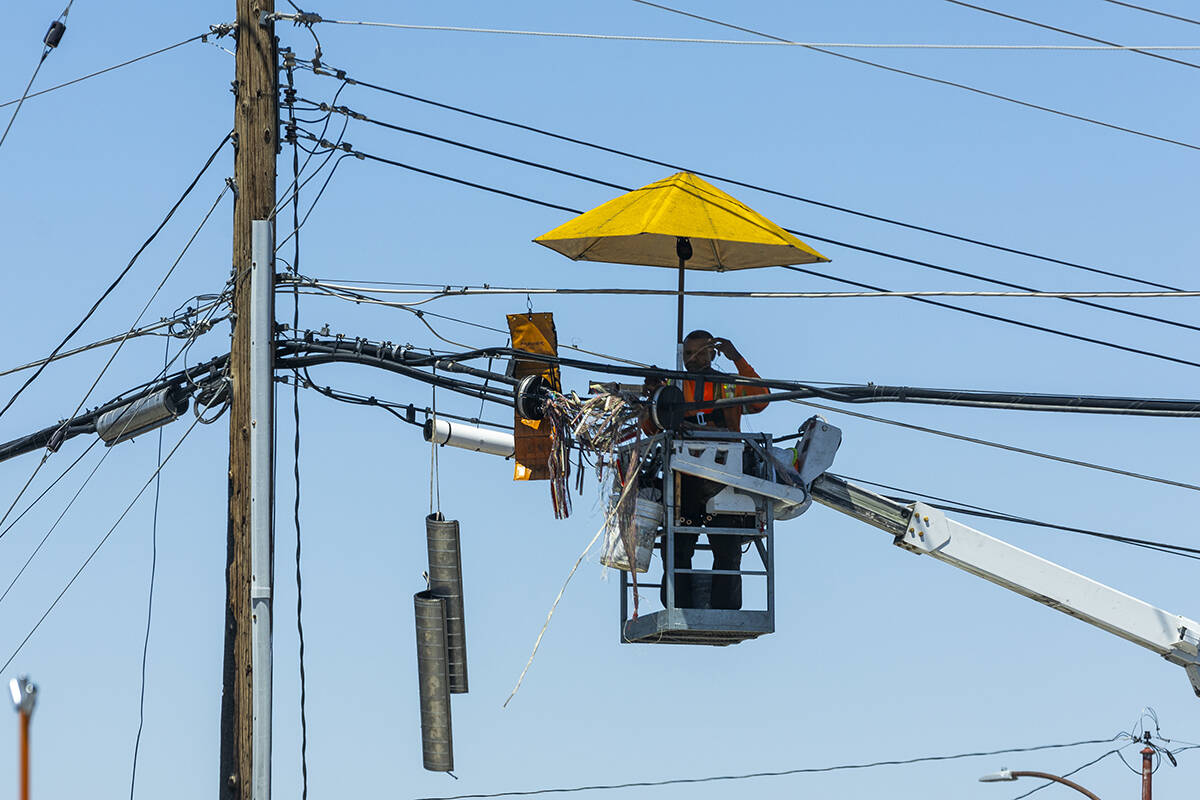





Nevadans now can follow along through public data as regulators enforce an extreme heat rule meant to protect the Silver State’s outdoor and indoor workers.
As of Wednesday, the Nevada Occupational Safety and Health Administration’s heat illness dashboard reflected inspections and citations conducted this year through Sept. 18.
“The first year of enforcement has shown that many Nevada businesses are taking the Heat Illness Prevention regulation seriously,” Division of Industrial Relations administrator Victoria Carreón said in a statement. “By implementing preventive measures and training programs, employers are helping to create safer work environments and protect employees from the dangers of heat-related illnesses.”
Regulators had doled out 13 citations since the regulation took effect April 29, not all of which led to a penalty. But some of the businesses cited received penalties up to $14,900 per violation, the agency said.
The state has conducted 183 heat-related inspections this year, mostly in accommodation and food services, construction and retail — also the industries that lead in percentage of heat-related complaints filed in the same time frame.
Through a public records request, the Las Vegas Review-Journal reported in August that the first penalties issued according to the new regulation were for Inter-Con Security Systems Inc., an RTC security contractor, and B&R Auto Wrecking. Regulators recommended a fine for Inter-Con Security Systems that totaled $11,823, but the company contested the citation.
What does the regulation require?
The regulation, crafted through a rulemaking process after a failed legislative effort, ensures that employers with more than 10 employees have an extreme heat plan on file and that they have conducted a “job hazard analysis” of working conditions that could lead to heat illness.
Before its first summer of enforcement, some in the business community pre-emptively looked to Nevada as a model for national discussions about a U.S. regulation for workers in the heat.
However, some worker advocates have argued that Nevada’s regulation didn’t go far enough in including more specific guidelines for shade, water and breaks, or a temperature trigger above which employers would have to take action.
Carreón has said in interviews that the route the state settled on allowed solutions to be better tailored to different industries — a sentiment supported by most of Nevada’s business leaders, including the Vegas Chamber.
Contact Alan Halaly at ahalaly@reviewjournal.com. Follow @AlanHalaly on X.