



VICTOR JOECKS: Fossil fuels saved lives during winter storm




Global warming is never around when you need it most.
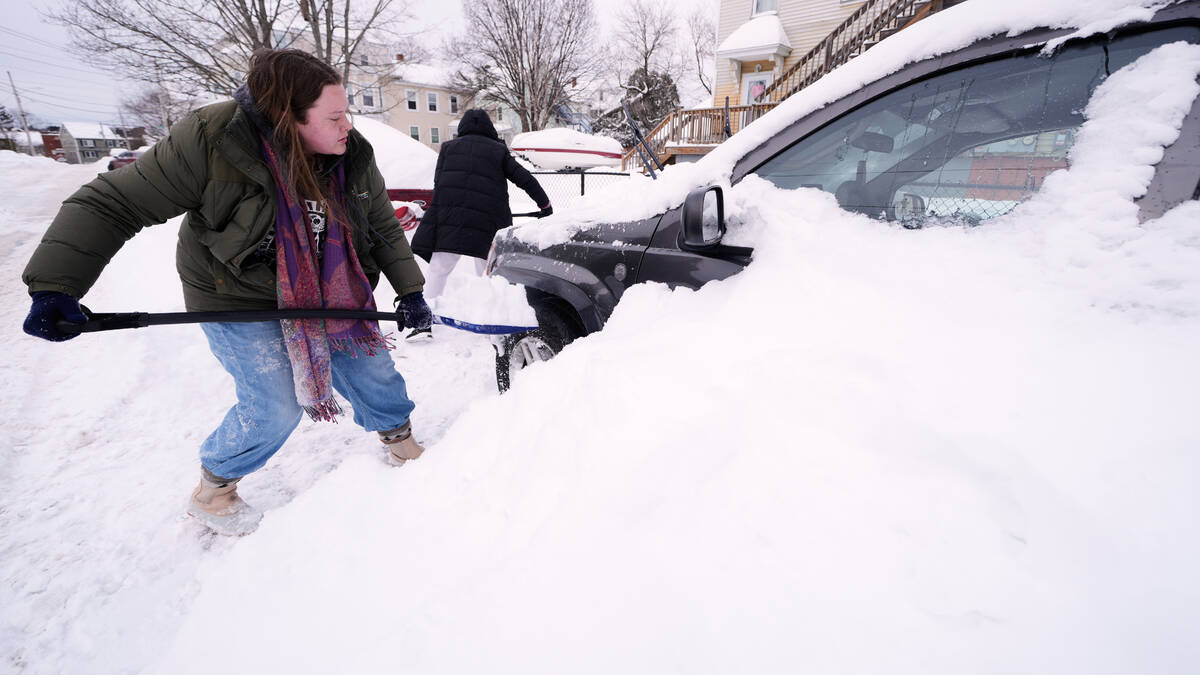
Over the past few days, much of the country has been dealing with the aftermath of a massive winter storm. It snowed in states ranging from Texas to Mississippi to Kentucky to New York.
For the South, The New York Times described the storm as the “worst in a generation.” In Copenhagen, New York, the temperature dropped to minus 49 F. Brrrr.
Don’t worry. We suffered here in Las Vegas, too. Temperatures fell into the 30s. Yes, it was still above freezing, but I’ve definitely had to wear a sweatshirt. Given the triple-digit torture that awaits us this summer, those of us in Southern Nevada have to brag when we can.
Unfortunately, the death toll from this storm and its aftermath has already surpassed 60 people. With a “bomb cyclone” expected to hit some East Coast states this weekend, those numbers could go even higher.
My initial impression was that the storm itself killed all those individuals. But storm deaths include people who died from something connected to the storm.
Three boys in Texas died after falling through the ice in a pond. Gut-wrenching. USA Today reported that at least eight deaths stemmed from shoveling snow. In Texas, a teen girl died in a sledding accident. In Massachusetts, a woman died after being struck by a snowplow.
These are tragedies. But claiming they are deaths from the storm is reminiscent of the COVID death count including people with COVID who died from something else.
Yes, the storm did kill some people directly. In New York City, at least 10 people were reportedly found dead outside last weekend. In December, New York City Mayor Zohran Mamdani vowed to end an effort by former Mayor Eric Adams to break up homeless encampments. That appears to have had deadly consequences.
But a storm that affected more than 200 million Americans could have killed many more people. Around the world, cold is far deadlier than heat.
The reason comparatively few people died from the storm is that they could turn on their heat and power. Fossil fuels overwhelmingly provided those lifesavers. Many homes use natural gas for heat. At points during the storm, wind and solar provided less than 2 percent of New England’s power. It received more power from burning wood. That’s considered renewable power, even though it’s far from carbon neutral.
At times, around 40 percent of New England’s power came from oil. Natural gas provided more than 30 percent.
Put another way, if New Englanders had to rely on wind and solar power, the death toll would almost certainly have been in the hundreds or thousands.
Yet, instead of praising fossil fuels for providing reliable power during the harshest of weather, many slick-talking politicians seek to phase them out in favor of renewables.
That’s a mistake. Unless states reverse course, millions will soon find that — when a winter storm hits — green energy will leave them turning blue.
Victor Joecks’ column appears in the Opinion section each Sunday, Wednesday and Friday. Contact him at vjoecks@reviewjournal.com or 702-383-4698. Follow @victorjoecks on X.


