



How much protein is enough? The answer’s not so easy


My friend Glenn asked a question not as easy to answer as one might think: “How much protein does someone my age need?”
It depends on a lot of factors. Besides your age, protein requirements vary widely based on one’s sex, exercise level and physical health. When we are sick or injured, for example, we may need more protein to heal. But some people with kidney disease may need to restrict protein to prevent further kidney damage.
Why is protein so important? It is the foundation of every cell in the body. With just a few types of building blocks called amino acids, our bodies manufacture thousands of specific proteins to regenerate our skin, muscles and immune system. Even our bones rely on protein to maintain strength.
Back to your question. Some pretty strong research now suggests that when we get up in years (over 65 is the general cutoff), we probably need more protein than our younger counterparts.
That’s because we lose muscle mass as we age. Even with exercise, it’s harder for older versions of ourselves to build and maintain strength. There’s even a name for it: sarcopenia.
So as you might guess, two key strategies to maintain strength and vitality as we age are: Consume adequate protein (along with other key nutrients, of course), and be as physically active as possible.
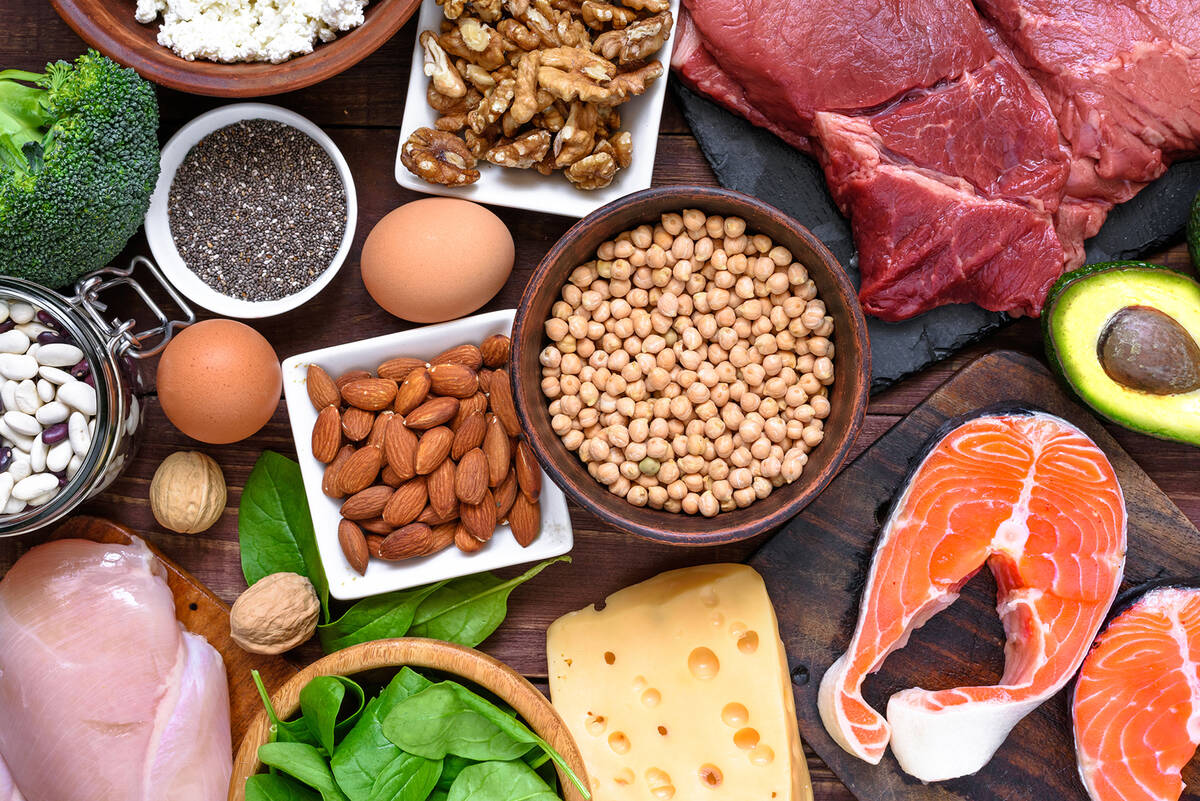
Protein is found in a variety of foods, including eggs, soy, meat, fish, nuts, legumes, dairy foods and even vegetables. Yet when it comes to building muscle mass, research is finding the quality of the protein we ingest is vital.
For example, essential amino acids (protein-building blocks found in certain foods) play a powerful role in stimulating muscle growth. One especially important EAA for muscle building is leucine, found in highest amounts in animal-based foods. Several studies with physically active young and older people, for instance, have shown that milk proteins such as whey and casein stimulated muscle growth to a greater extent than soy proteins. Still, a mixture of protein foods from a variety of sources is our best bet to get all the essential amino acids, plus other important nutrients we need for optimal health.
When you eat protein may also be as important as how much, scientists say. Some experts recommend we consume 20 to 30 grams of protein at each meal (three times a day) to get the most muscle bang for our protein buck.
We will probably see the current recommendations for protein, especially for older people, increased in the near future. In the meantime, find yourself a well-qualified nutrition professional to do some personal calculations for you.
Barbara Intermill is a registered dietitian nutritionist and syndicated columnist. Email her at barbara@quinnessentialnutrition.com.


