



This health trend troubles experts and can accelerate aging
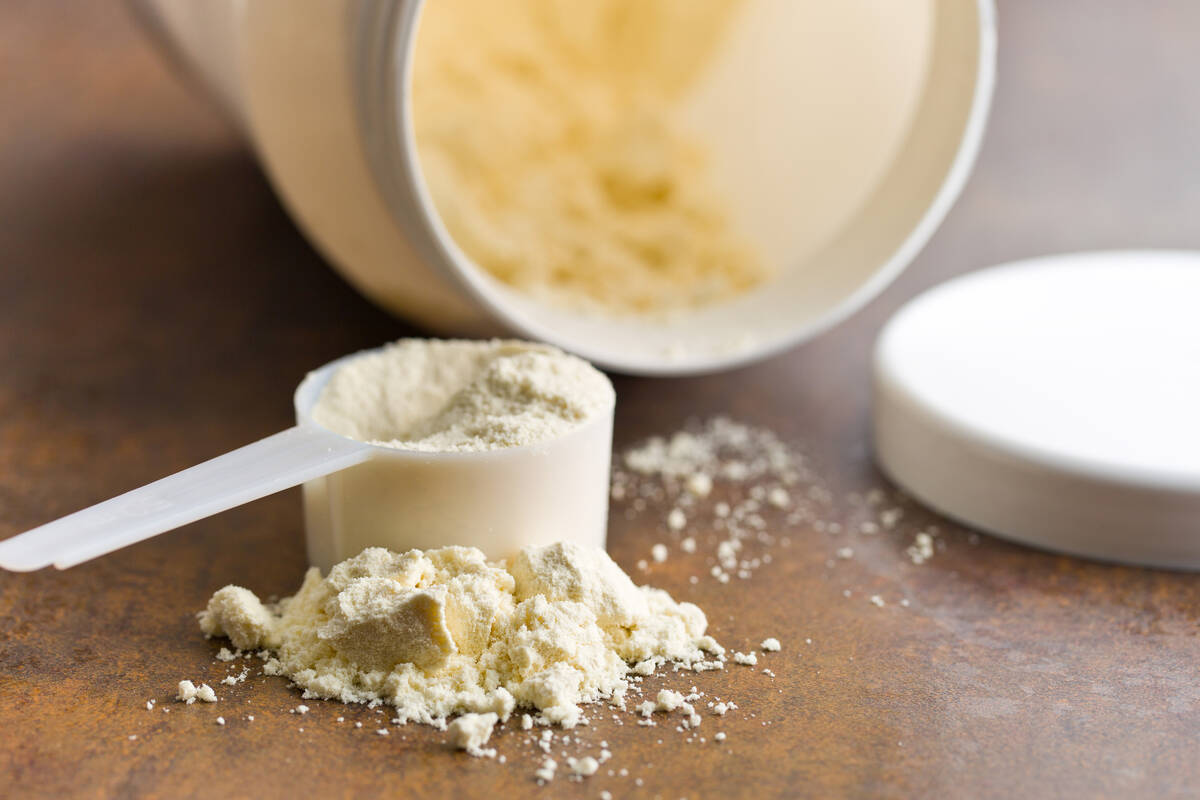



You’ve probably heard about some of this year’s leading health trends, from the Oura ring to Pilates classes to weight-loss drugs. But there’s one worth talking about because it unexpectedly gives health professionals cause for concern: eating too much protein.
This fad is all around us, from protein popcorn to even ice cream brands that use extra protein as a selling point. That’s not even considering foods that naturally have protein, like meat or your everyday protein bar.
Protein-rich foods aren’t inherently a bad thing, obviously — humans need protein for muscle growth, hair growth, digestion and even hormone regulation — but there is such a thing as too much. What’s more, consuming too much protein is pretty common.
“In today’s wellness culture, protein has become a fixation, and in many cases, we’ve overcorrected,” says Melanie Murphy Richter, a registered dietitian specializing in nutrition, health span and longevity.
In some cases, she says, adults consume 1 gram per pound of body weight, which is around three times what our bodies require. On that note, it’s possible you get enough or too much protein and don’t realize it. According to the Dietary Guidelines for Americans, 2020-2025, men ages 19 to 59 often exceed the recommendations.
“This level of excess, especially from animal sources, may do more harm than good when it comes to long-term health and longevity,” Richter continues.
We asked her and another longevity expert to explain the potential dangers of this health trend and how to know if you’re eating more protein than you should.
Accelerating aging
We get it: The idea that too much protein is a thing — and not a great thing — sounds a bit wild. But as mentioned, it’s true, particularly in the case of animal sources and aging.
“Too much protein, particularly from animal sources (think eggs, beef, chicken) can chronically activate a key nutrient-sensing pathway in the body called IGF-1, or insulin-like growth factor 1,” Richter explains.
While that’s helpful when a person is growing, it’s not so helpful past the age of 18. “Keeping this growth pathway turned on throughout adulthood, especially between the ages of 18 and 65, accelerates biological aging instead of slowing it,” says Dr. Joseph Antoun, CEO of L-Nutra and a longevity expert.
When we talk about biological aging, what do we mean? Essentially, biological aging pertains to biomarkers that assess your body’s state of health. But what does that look like, exactly, in this case?
Richter says chronically elevated IGF-1 has been linked to conditions such as Type 2 diabetes and cardiovascular disease, which are associated with a shortened health span. Antoun points out that the promotion of cellular growth over repair can increase the risk of mutations and certain cancers and decrease autophagy (the cellular cleanup process that’s key to healthy aging).
How much is too much?
Before getting into what too much protein looks like, we have to address the tricky part: Getting too little protein is also an issue that can accelerate aging, according to Antoun.
“Studies show inadequate protein intake may lead to low IGF-1 levels, which may also trigger pro-aging pathways and affect muscle mass,” he says. “It’s about finding the right balance.”
The right amount will look different for each person depending on various factors, including their muscle mass, age, gender and many other characteristics. But as a rule of thumb, if you are younger than 65: “You should aim for 0.31 to 0.36 grams of plant-based protein per pound of body weight daily,” Antoun says. “If you are over 65 years of age, increase protein intake slightly if losing muscle or weight.”
For that latter population, he also encourages increasing — yes, increasing — protein from animal sources, such as fish, eggs, cheese and yogurt made from sheep milk or goat milk.
Other signs of too much protein
Not sure if you’re eating too much protein? Antoun suggests getting labs done. Additionally, the answer might be “yes” if you experience the following symptoms: indigestion or intestinal discomfort, dehydration, nausea, diarrhea or constipation, irritability, bad breath, weight gain and tiredness.
On the more extreme end, you may face a higher risk of coronary heart disease, cancer, diabetes and renal abnormalities with this overconsumption.
In short: Rather than going all-in on protein (or ignoring it completely), try to find a balance.


