How the Challenger disaster 30 years ago changed NASA
Remembering the space shuttle Challenger crew 30 years after explosion (KCPQ - Seattle/Inform)
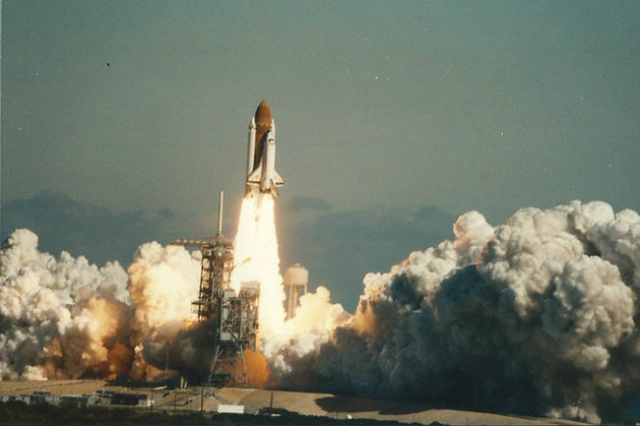
Michael Hindes was looking through some old boxes of photographs at his grandparents‘ house when he came across images of what appeared to be a normal shuttle launch. As he flipped through them, he and his family had what he called an "overwhelming moment" of realization. They were photos of the 1986 Challenger disaster, as it happened. (Courtesy Michael Hindes via CNN)
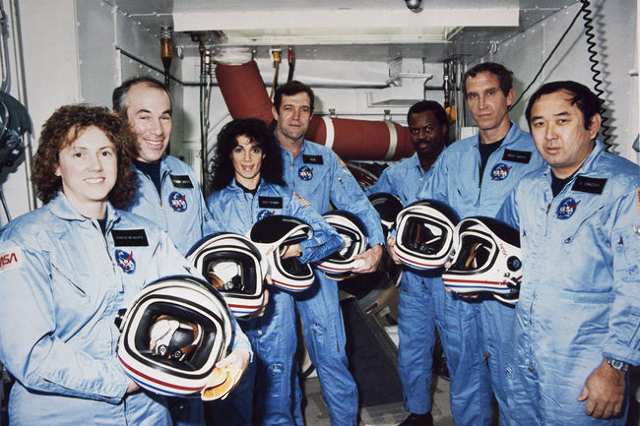
The Challenger crew takes a break during countdown training at NASA‘s Kennedy Space Center in this January 9, 1986 NASA file photograph. (NASA/Handou/Reuters)
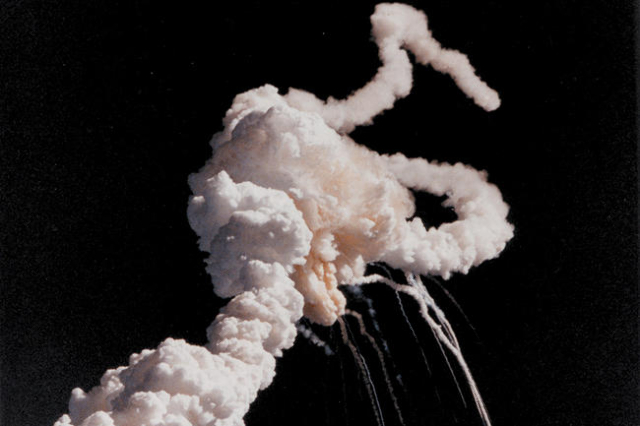
The Space Shuttle Challenger and her seven-member crew were lost when a ruptured O-ring in the right Solid Rocket Booster caused an explosion soon after launch from the Kennedy Space Center in this NASA handout photo dated January 28, 1986. (NASA/Handout via Reuters/Files)
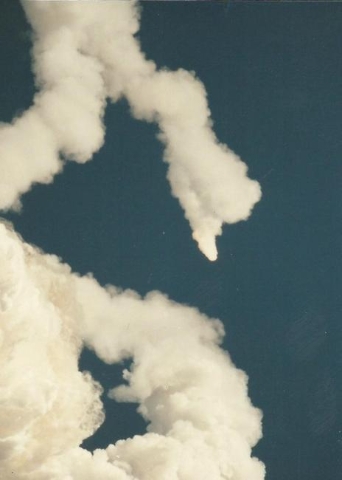
Michael Hindes was looking through some old boxes of photographs at his grandparents‘ house when he came across images of what appeared to be a normal shuttle launch. As he flipped through them, he and his family had what he called an "overwhelming moment" of realization. They were photos of the 1986 Challenger disaster, as it happened. (Courtesy Michael Hindes via CNN)
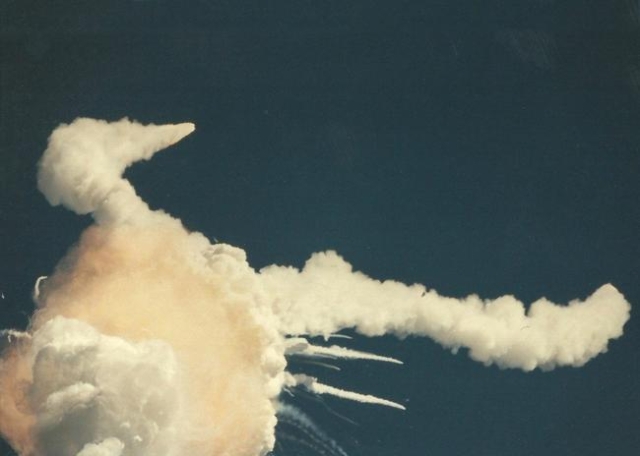
Michael Hindes was looking through some old boxes of photographs at his grandparents‘ house when he came across images of what appeared to be a normal shuttle launch. As he flipped through them, he and his family had what he called an "overwhelming moment" of realization. They were photos of the 1986 Challenger disaster, as it happened. (Courtesy Michael Hindes via CNN)
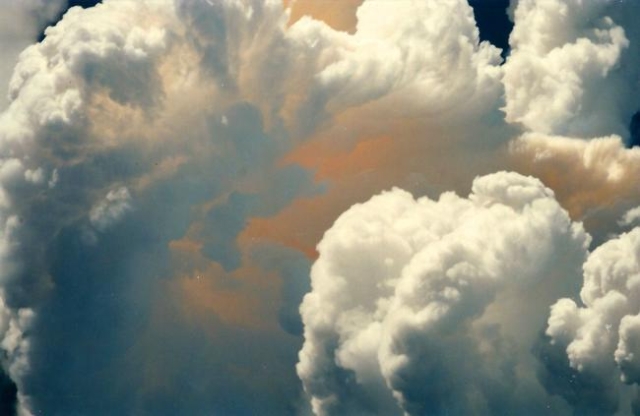
Michael Hindes was looking through some old boxes of photographs at his grandparents‘ house when he came across images of what appeared to be a normal shuttle launch. As he flipped through them, he and his family had what he called an "overwhelming moment" of realization. They were photos of the 1986 Challenger disaster, as it happened. (Courtesy Michael Hindes via CNN)
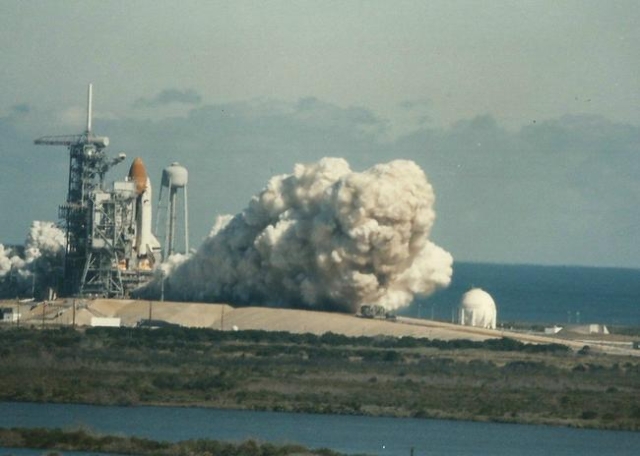
Michael Hindes was looking through some old boxes of photographs at his grandparents‘ house when he came across images of what appeared to be a normal shuttle launch. As he flipped through them, he and his family had what he called an "overwhelming moment" of realization. They were photos of the 1986 Challenger disaster, as it happened. (Courtesy Michael Hindes via CNN)
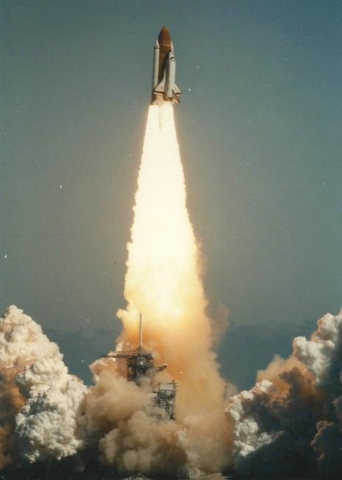
Michael Hindes was looking through some old boxes of photographs at his grandparents‘ house when he came across images of what appeared to be a normal shuttle launch. As he flipped through them, he and his family had what he called an "overwhelming moment" of realization. They were photos of the 1986 Challenger disaster, as it happened. (Courtesy Michael Hindes via CNN)
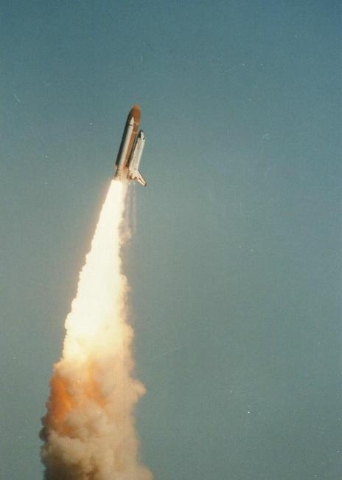
Michael Hindes was looking through some old boxes of photographs at his grandparents‘ house when he came across images of what appeared to be a normal shuttle launch. As he flipped through them, he and his family had what he called an "overwhelming moment" of realization. They were photos of the 1986 Challenger disaster, as it happened. (Courtesy Michael Hindes via CNN)
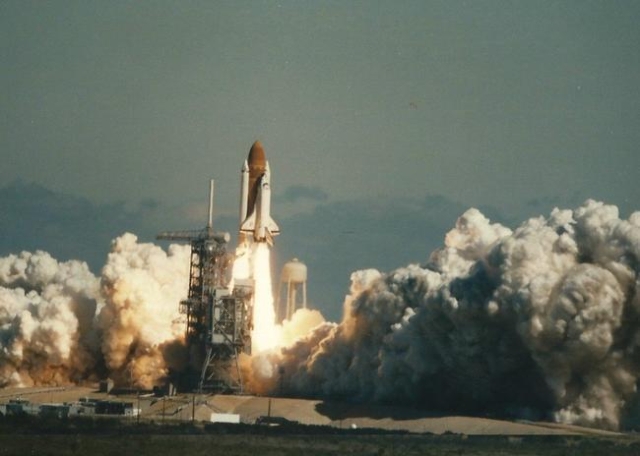
Michael Hindes was looking through some old boxes of photographs at his grandparents‘ house when he came across images of what appeared to be a normal shuttle launch. As he flipped through them, he and his family had what he called an "overwhelming moment" of realization. They were photos of the 1986 Challenger disaster, as it happened. (Courtesy Michael Hindes via CNN)
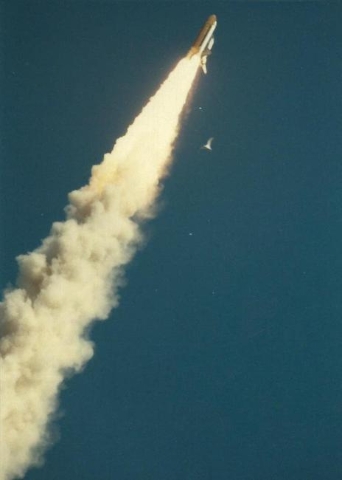
Michael Hindes was looking through some old boxes of photographs at his grandparents‘ house when he came across images of what appeared to be a normal shuttle launch. As he flipped through them, he and his family had what he called an "overwhelming moment" of realization. They were photos of the 1986 Challenger disaster, as it happened. (Courtesy Michael Hindes via CNN)




Much like the assassination of President John F. Kennedy, or the morning of September 11, 2001, most Americans remember where they were when they heard the news of the Challenger disaster.