



COMMENTARY: A mining policy breakthrough is within reach
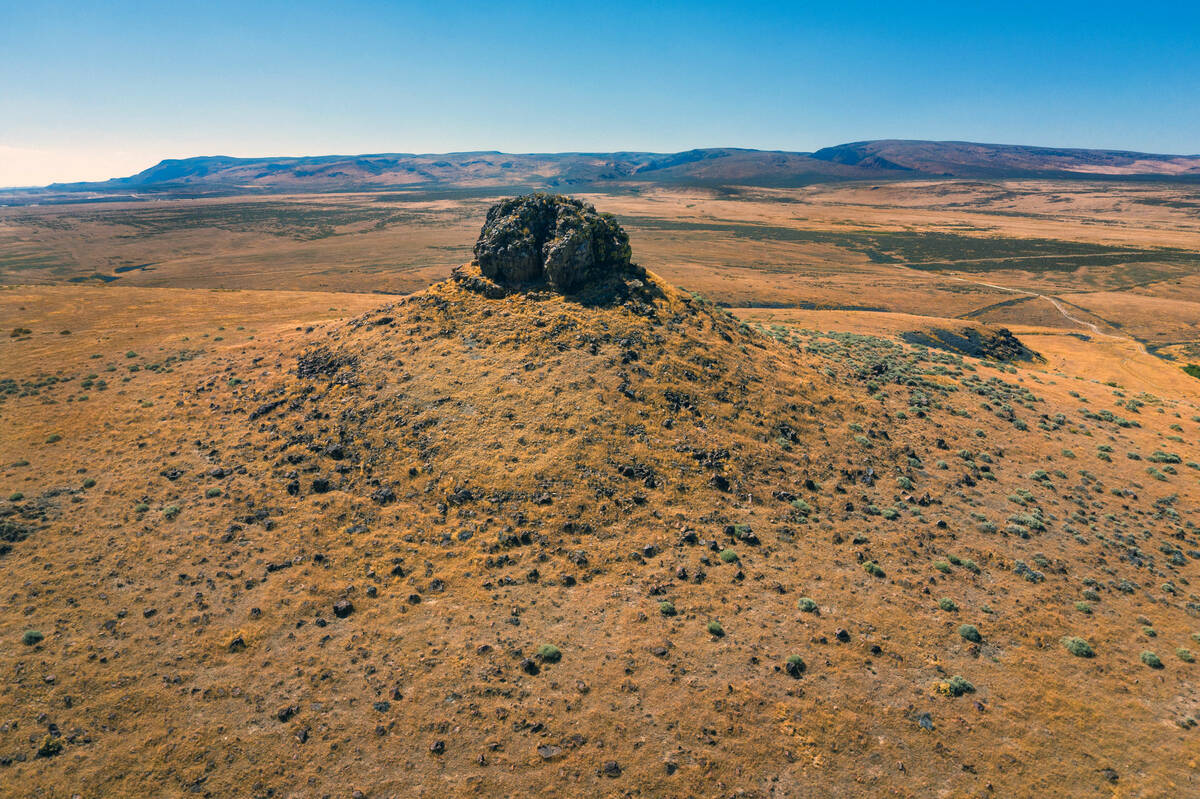


The misplaced idea that America’s mineral weakness stems from a lack of resources should be put to bed. Our resource base is remarkable and continues to grow.
Consider just how vast our resources are. The United States may well be home to the world’s largest lithium deposit in the McDermitt Caldera, which straddles the Nevada-Oregon border. The Thacker Pass mine is under construction there. S&P Global recently estimated that the United States has a copper endowment — the metal of electrification — comparable to Canada and Australia combined. New, extraordinary mineral discoveries and project advances are happening at an astonishing pace.
The recent discovery of a significant deposit of 16 critical minerals in Utah is a case in point. Even our mine waste is emerging as an invaluable resource for many of the minerals we need but aren’t producing.
Our great minerals challenge has never been geology. For decades, it has been policies that have stymied industry, frozen capital flows into domestic mining and pushed investment and production overseas.
The U.S. government is tackling the minerals crisis with the forcefulness and innovative thinking this moment requires. The momentum to break China’s chokehold on global mineral supplies and rebuild secure, responsive domestic supply chains is real. These efforts will fail to reach their potential unless the Senate moves with equal determination.
At the close of 2025, the House passed two deeply critical bills that address key obstacles to getting more shovels in the ground to turn our minerals promise into productive capacity. We now need the Senate to put them on the president’s desk.
The durable reforms in the bipartisan Standardizing Permitting and Expediting Economic Development (SPEED) Act are not just a significant step forward in addressing the nation’s mine-permitting challenges, but a leap.
The mine-permitting status quo is an outrage. It takes a stunning 29 years to bring a mine online in the United States, longer than anywhere else except one country.
An inefficient National Environmental Policy Act process is a primary contributor to the delays and uncertainty that have become such a specter for the industry. NEPA’s use as a litigation tool has allowed this well-intentioned law to stray far from its intended purpose and its underlying text. The SPEED Act addresses these challenges head-on.
In addition, the Senate should follow the House and pass the bipartisan Mining Regulatory Clarity Act, which would rectify an egregious court decision that returned land-use interpretation to what it has always been under the General Mining Law. Doing so would provide much-needed regulatory certainty and clarity to miners and cut through red tape holding back investment and production.
Together, these two bills could address some of the tallest self-imposed hurdles to realizing our mining potential and confronting Beijing’s weaponization of global mineral supplies.
Our muscular industrial policy to counter China — robust loans, grants, incentives and even targeted tariffs — will be handcuffed if we can’t permit mines and address glaring sources of uncertainty. As the United States works to mobilize capital, nothing will do more to get Wall Street engaged in mining and shovels in the ground than passing the permitting reform now within reach.
The resources, ingenuity and capital markets are all here. The opportunity before the Senate is tremendous. Now is the moment to turn the page on decades of inaction — on self-imposed mineral insecurity — and confront this crisis with the seriousness it demands.
Rich Nolan is the president and CEO of the National Mining Association. He wrote this for InsideSources.com.


