Some of the top politics and government stories the RJ covered in 2025






From local government meetings to Washington, D.C., policies, the Las Vegas Review-Journal took a close look to how ordinances, federal law and politics affected the lives of Southern Nevadans in 2025.
Badlands settlement
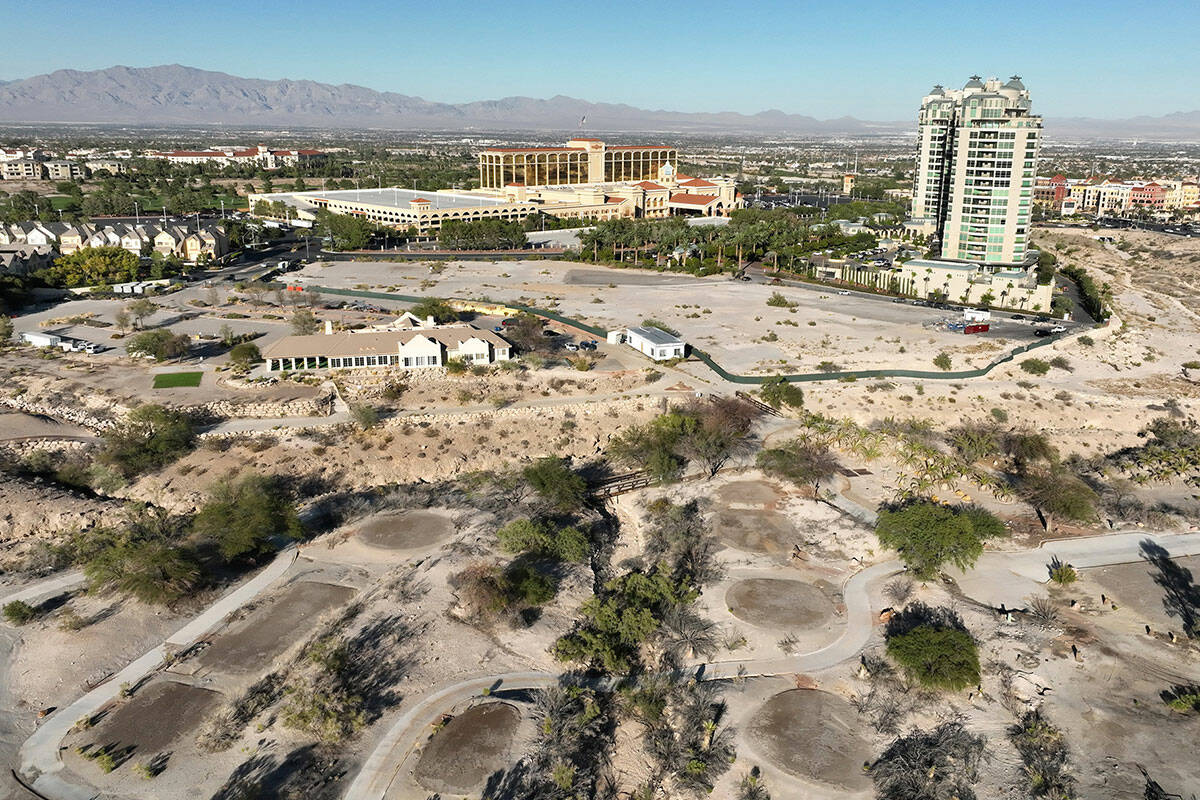
In late 2024, the city of Las Vegas sought to avoid additional taxpayer losses by deciding to settle a years-long legal battle with the would-be developer of the defunct Badlands golf course.
A $636 million deal closed in March.
Las Vegas paid $350 million to temporarily take over the 250-acre property. It also agreed to pay Yohan Lowie’s EHB Cos. $286 million to dismiss remaining ongoing suits that alleged the city essentially took the course by not allowing the developer to build an expansive housing development on the site.
Lennar homebuilders reimbursed the city for the property’s cost, where it’s planning to build its own development of about 1,500 upscale residences.
The city had already paid EHB $64 million to resolve one of the lawsuits.
Food insecurity
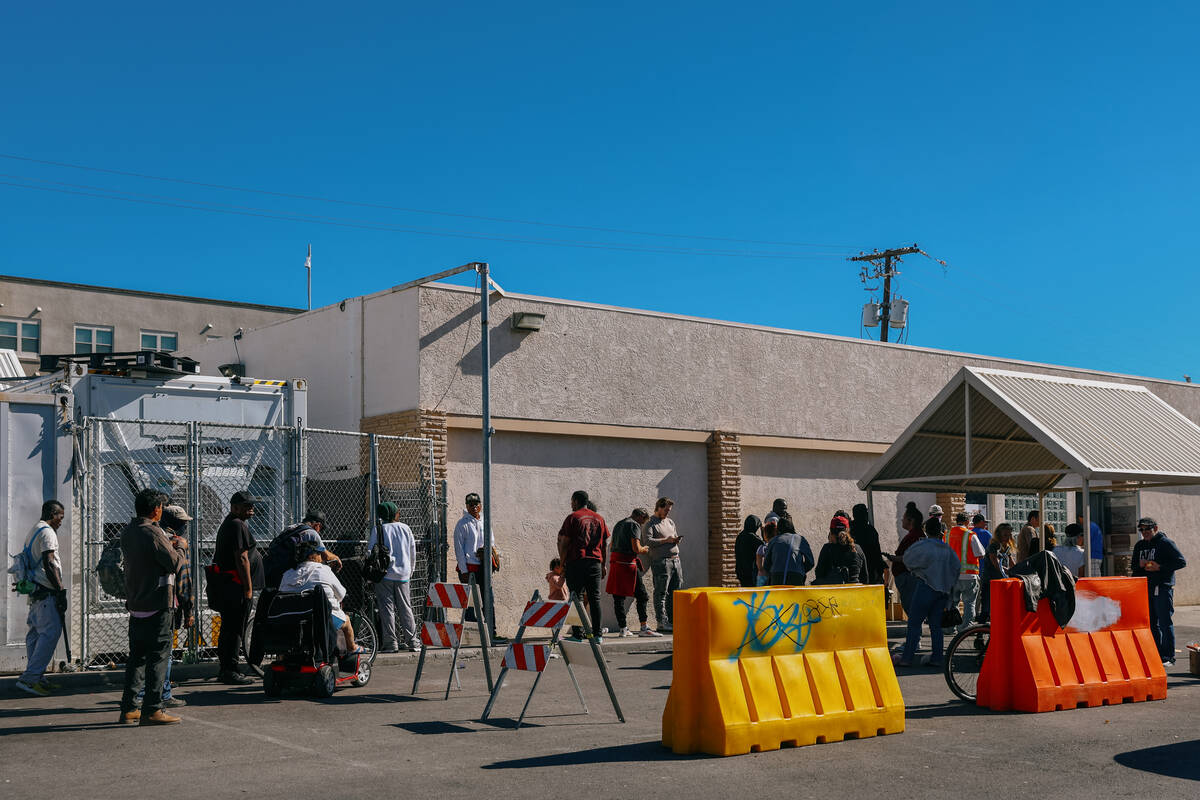
The longest-running federal government shutdown briefly affected about half-a-million Nevadans in the state’s Supplemental Nutrition Assistance Program, and furloughed federal employees.
As SNAP’s funding was slated to lapse on Nov. 1, Nevada lawmakers moved to bolster funding for the state’s mammoth food banks that supply a plethora of public pantries.
A U.S. Senate deal to reopen the government later in the month — endorsed by Sens. Catherine Cortez Masto and Jacky Rosen — restored SNAP funding, which costs the federal government about $90 million a month.
Slowing economy affects budgets
Confronting declining tax revenues and an economy that’s been slowing since 2023, Southern Nevada governments had to dip into reserve funds to balance their current fiscal year budgets.
In May, Clark County reported a two-year deficit to a general fund of about $56 million, while the city of Las Vegas had a two-year shortfall of $110 million to its operational fund.
Both jurisdictions tapped into reserves for the 2026 fiscal year, which began in July.
Meanwhile, North Las Vegas said the same month that it was expecting a $4.7 million deficit to its 2025 general fund.
Government officials have cited declining revenues from the Consolidated Tax over the last year, which includes fees collected by state government services and certain sales taxes.
Immigration enforcement
As President Donald Trump’s administration moved to fulfill his campaign promise of “mass deportations,” Nevada mostly steered clear of high-profile operations.
But it doesn’t mean that deportation proceedings weren’t happening.
Gov. Joe Lombardo dispatched Nevada National Guard members to assist Immigration and Customs Enforcement with administrative duties.
After the federal government declared the city of Las Vegas as a so-called “sanctuary jurisdiction” for undocumented immigrants, the Metropolitan Police Department entered into an agreement to flag “foreign-born” inmates at the Clark County Detention Center to ICE.
The 287(g) deal allows ICE agents up to 48 hours to pick up wanted persons after they’re set to be released on their local charges.
The American Civil Liberties Union of Southern Nevada is challenging the agreement in court.
Las Vegas was quietly removed from the sanctuary list and Nevada also was taken off a Justice Department’s list after the state signed a memorandum of understanding to “fully collaborate” with federal immigration enforcement.
Through it all, the local immigrant community has expressed fear of ICE.
Citing those concerns, the Broadacres Marketplace — a large, Latino-centered North Las Vegas swap meet — closed its doors for weeks.
Businesses told the Review-Journal that deportation fears were affecting their finances.
Contact Ricardo Torres-Cortez at rtorres@reviewjournal.com.