Are high-protein diets helpful? And how much protein is too much?





Protein bars, meal replacement shakes and processed meat snacks all gained popularity by association with high-protein diet plans, which can sometimes be a bit controversial.
According to a 2023 report by Prophecy Market Insights, the protein bar market alone is estimated to reach $2.45 billion by 2030.
High-protein/low-carb diet plans are all the craze in the diet world lately. By increasing daily intake of proteins and restricting carbohydrates, these plans would help participants lose weight by inducing ketosis, a natural response to perceived starvation.
While many dieters have experienced weight loss and other health benefits by following high-protein diets, emphasizing protein intake over carbohydrates and fats remains controversial. A state of ketosis forces the body to derive more energy from fat-based ketones, not carbohydrate-based glucose.
However, the process also puts a significant strain on the kidneys and can lead to the formation of kidney stones. For this reason, high-protein diets are not recommended for people with pre-existing kidney conditions or other health issues.
A recent study published in eLife addresses some concerns about the unhealthy effects of a long-term high-protein diet.
“We know that many people deliberately consuming high-protein diets or consuming protein supplements to support their exercise regimen are not metabolically unhealthy, despite the body of evidence showing that high-protein levels can have detrimental metabolic effects,” says senior author Dudley Lamming, associate professor of medicine (endocrinology) at the University of Wisconsin.
“Our research may explain this conundrum by showing that resistance exercise protects from high-protein-induced fat gain in mice. This suggests that metabolically unhealthy, sedentary individuals with a high-protein diet or protein supplements might benefit from either reducing their protein intake or more resistance exercise.”
How much protein is too much?
The human body requires a balanced intake of proteins, carbohydrates and fats to function properly. There is little agreement on a proper ratio, but according to the Mayo Clinic, 10 percent to 35 percent of daily caloric intake should come from proteins. An average sedentary adult should consume about 0.8 grams of protein per kilogram of body weight daily. This number rises to 1.1 grams per kilogram of body weight for more physically active people.
Many high-protein diet plans call for a much higher percentage of daily protein consumption to achieve ketosis or build more lean muscle mass. Carbohydrates, especially processed sugar or flour, are also highly restricted, reducing the level of available glucose, which the body may store in fat cells as an energy reserve.
A short-term high-protein diet for weight loss or muscle building is not generally considered a health risk, but excessive protein intake combined with a low-carb, low-fat starvation diet can be risky. Carbohydrates and healthy fats have vital functions to perform, and the human body is not designed to remain in a state of ketosis forever.
Which high-protein foods are safest?
Products designed specifically for high-protein diet plans, such as protein bars, protein shakes and supplement powders, provide dieters with higher levels of mostly plant-based or dairy-based proteins, and processed snacks such as jerky or sausage contain animal-based proteins. However, these proprietary foods may also contain artificial sweeteners or thickeners to improve taste and texture.
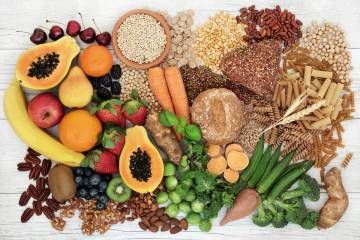
The following foods are considered safe sources of natural proteins, whether plant or animal-based: soy protein, beans, nuts, fish, lean chicken with no skin, lean beef, pork, low-fat dairy products.
The list emphasizes low-fat and lean protein sources, which fit in with an overall heart-healthy diet.
There are concerns, however, about the safety of high-protein diet plans that place little to no restrictions on acceptable meats. Some high-protein diet plans allow participants to eat fatty proteins such as bacon or ground beef, along with saturated fats for preparing those foods.
A high-protein diet plan with no limitations on fat content or sodium levels may help dieters reach fat-burning ketosis but may also be unhealthy for the dieter’s cardiovascular system.
Reducing the risks
One of the best ways to reduce the risk of negative side effects from a high-protein/low-carb diet regimen is to set a specific goal for your diet. Short term, high-protein diet plans have helped many participants lose weight or build leaner muscles during weight training. The key is to consider any diet plan that affects body chemistry as temporary. Once a weight-loss goal has been met, safer methods such as calorie restrictions or exercise should become a long-term maintenance plan.
The eLife study also suggests a connection between strength training and the side effects of a long-term high-protein diet. Muscle-building exercise regimens help the body maintain healthier blood sugar levels while in a diet-induced state of ketosis. Strengthening muscle tissue through exercise helps offset the adverse metabolic effects of a long-term or extremely high-protein diet.
The most important way to minimize health risks while participating in a high-protein diet is to consult medical professionals and licensed dietitians about your diet plans. Ketosis and other metabolic changes can have detrimental effects on a person’s health if there are pre-existing medical conditions or the dietary restrictions are too extreme, so be mindful of your current health situation before going any further.