



LETTER: Electricity, supply and demand
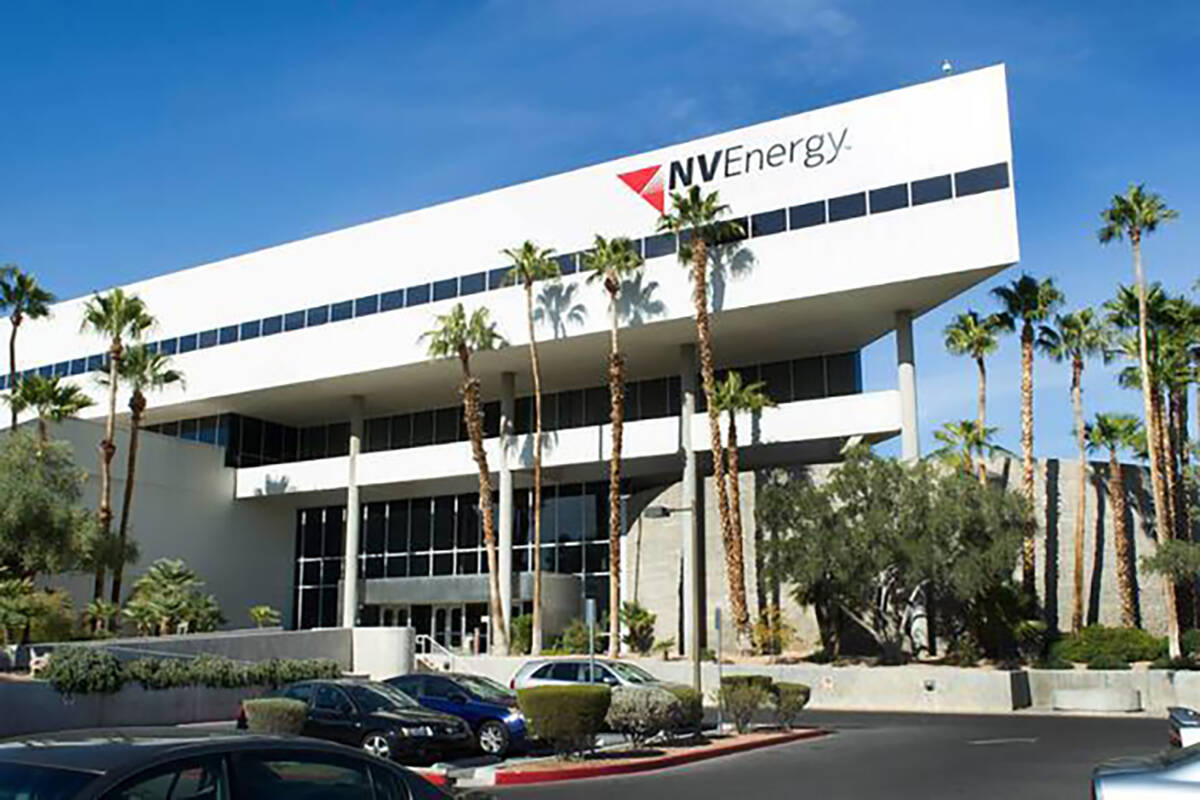


In your Dec. 31 editorial on energy prices, you correctly pointed out the increased demand for electricity does not, in fact, result in increased price of power for everyone. Indeed, as you pointed out, a Lawrence Berkeley National Laboratory study found that, “States with higher electricity demand growth generally experienced smaller increases in retail prices. In some cases, prices declined outright.”
Now let’s put that together with what’s happening in Nevada. We have an AI center that demands much water and power. We have continuing enormous growth in the size of the Las Vegas metro area. Thus, overall, we have increasing demand for electricity — a higher demand all the time.
So how does Nevada Power respond? By slapping a demand charge on its consumers which will increase pretty much everyone’s power bills starting in April 2026. How does that tie with your “more demand, lower prices” claim in your editorial? It certainly does not seem to be happening here.
Incidentally, I am one of those consumers who spent a good deal of money, pulled from my retirement funds, in order to put solar panels on my roof and decrease my electric costs while helping both the environment and NV Energy. This gets my surplus energy beyond my electricity needs each month. Every month since then (2016), NV Energy has profited from my panels. Every month, my surplus energy has gone to them and they have sold it for well more than what they allowed to me for it, thus increasing their bottom line/profits. But that wasn’t enough.
Now they will slap on a demand charge, and they have carefully arranged it so my surplus energy, from which they profit, cannot be used to offset the demand charge. Can anyone explain how that makes sense or is in any way fair?


