Northern residents can learn to grow in the desert through horticulture program
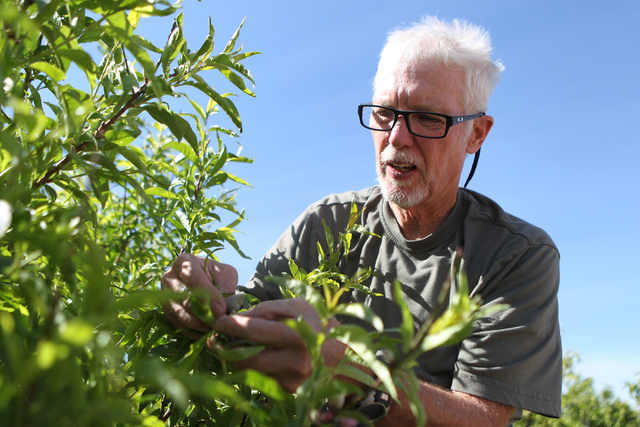
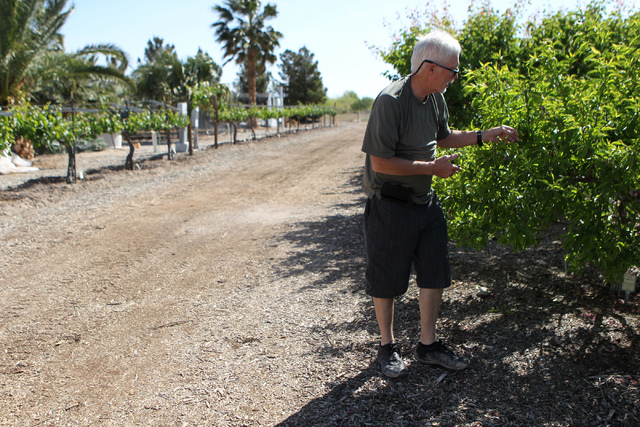


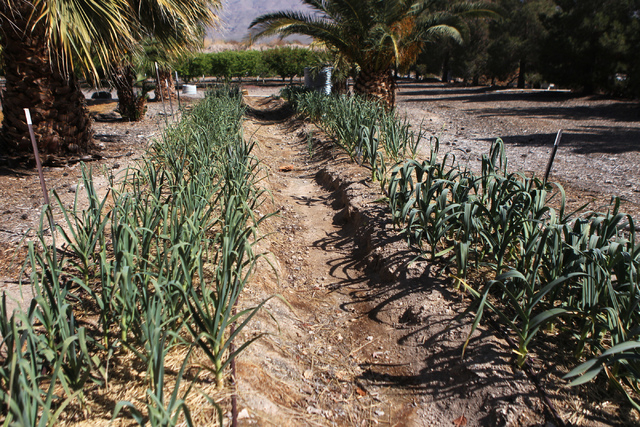


The Mojave Desert might not sound like the ideal climate to experience springtime gardening, but a research center in the northwest area is providing residents with the knowledge to take gardening to the next level.
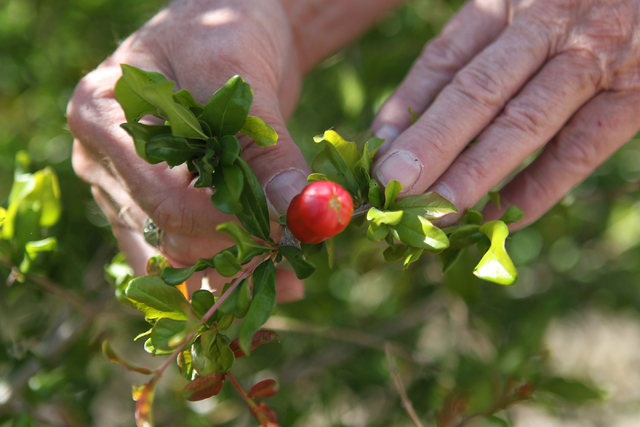
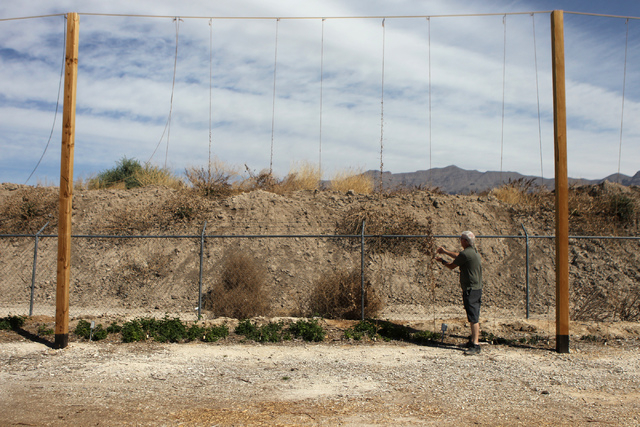
The University of Nevada Cooperative Extension’s Research Center and Demonstration Orchard, 4600 Horse Drive, tests and demonstrates a variety of tree fruits and vegetables and trains volunteers in sustainable desert horticulture practices.
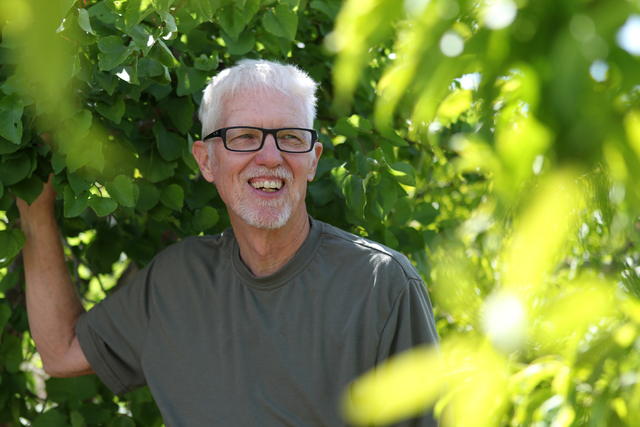
“The workshops and programs that we offer here are centered around gardening in the Mojave Desert,” said M.L. Robinson, horticulture specialist at the orchard. “We discuss all aspects about cacti and succulent native plants, irrigation, watering and the proper methods of doing things.”
The 1-acre facility in North Las Vegas is a cooperative effort between the University of Nevada, Reno and UNLV.
Information is developed from research and demonstrations at the orchard, which is published in university fact sheets and distributed to the public through mass media programs.
Research and educational activities are aimed at backyard and small-scale organic fruit production under desert conditions.
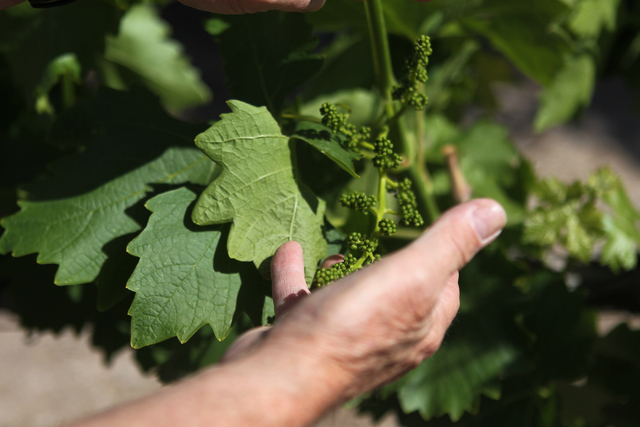
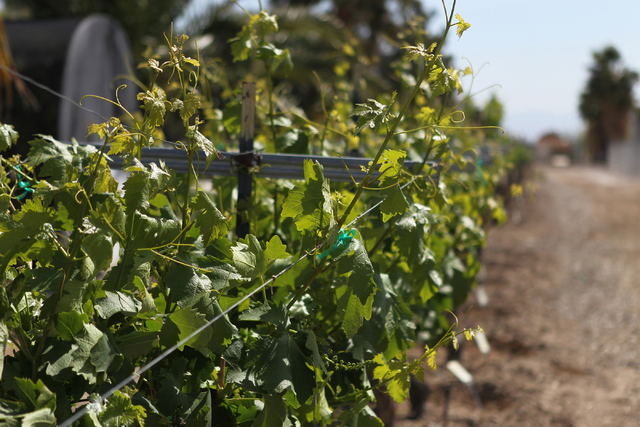
Spring workshops are set to include topics covering insects and diseases, mycorrhizae and other mutualistic organisms and growing and pruning grapes.
For more information, call research technician Tamara Wynne at 702-786-4361.
Past workshops have included water conservation training, ways to reduce pesticide and fertilizer chemical use, landscaping, grape crushing, wine making and gardening tools.
In order to aid people with their gardening, the orchard provides horse manure and a stockpile of natural organic mulch for a donation.
The mulch helps retain water, provides nutrients for beneficial microorganisms and keeps the soil cool in the summer, according to Robinson.
The orchard also provides a space for people to meet and learn about gardening through the Master Gardener program.
In order to become a Master Gardener, people must complete 80 hours of training, which consists of 20 classes of instruction.
Classes are offered from 8:30 a.m. to 12:30 p.m. Mondays, Wednesdays and Fridays in the spring and fall semesters. The next class is planned Sept. 9 through Oct. 28. Registration starts in June.
“This is a volunteer program,” said program coordinator Ann Edmunds. “The purpose of the classes is to have participants go out in public and share the basics of good desert gardening with others.”
Classes include three hours of lecture and one hour of hands-on activities.
There is a $200 fee to offset program operating expenses.
Volunteers must sign an agreement to volunteer 50 hours a year to the program in order to stay certified as a Master Gardener. They answer phone calls, send out informational materials and develop community gardens.
For more information on the Master Gardener program, call Edmunds at 702-257-5587 or email edmundsa@unce.unr.edu.
In addition, every Tuesday, Thursday and Saturday from 8 a.m. to noon, seasonal produce, mulch and compost, guided tours and gardening advice are available at the research center.
Children can also participate in gardening classes through the University of Nevada Cooperative Extension’s Food for Thoughts program at 4600 Horse Drive.
Karyn Johnson, Food for Thoughts School Children’s Demonstration Garden coordinator, is in charge of the school garden in North Las Vegas. The garden is open to schools and the community.
“We started the demonstration garden for teachers and their students to come out, learn and get ideas,” Johnson said.
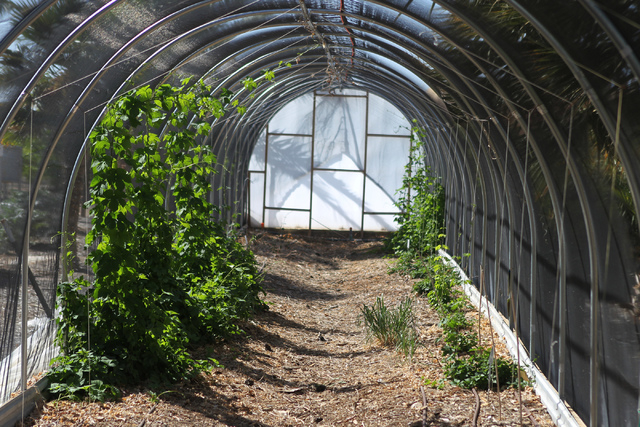
The garden consists of apriums, apricots, pluots, apples and peaches. Grapevines decorate the walls, and there are also rows of artichokes, onions, broccoli, cabbages and garlic growing.
The garden is protected by cages and bird blocks, which avoid the use of pesticides.
The 155-foot-long garden is also used to teach the Junior Master Gardeners program.
The two-year program occurs every spring and fall on the first and third Saturday of the month. The next program is set to start mid-September.
“The goal of the program is to teach children to respect the earth and nature and to give them an understanding and an appreciation of where their food comes from,” said horticulture specialist Angela O’Callaghan. “Every week, they’re growing things and get to taste a variety of fruits and vegetables.”
The program consists of 90 minutes of instruction inside the classroom and 90 minutes of hands-on projects.
Every semester, the children must also participate in a community project.
Children who graduate from the program receive certificates and leadership opportunities.
The program is aimed at 7- to 12-year-olds. At the end of the semester, children can harvest vegetables and fruits to take home.
“There’s a ton of research that has proven that kids who grow vegetables eat their vegetables and have better nutritional status than kids who don’t get a chance,” O’Callaghan said. “This program is meant to inspire kids that they can truly grow their own food in the desert.”
Visit www.unce.unr.edu/programs/sites/foodforthoughts or call Johnson at 702-257-5523.
To reach North View reporter Sandy Lopez, email slopez@viewnews.com or call 702-383-4686. Find her on Twitter: @JournalismSandy.